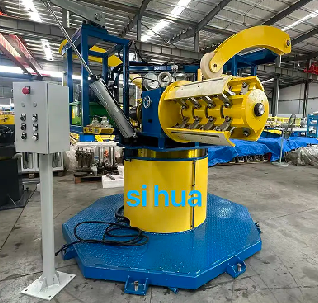
Roll forming has long been one of the most productive methods for converting metal coils into finished profiles for construction, energy, and automot...
Read more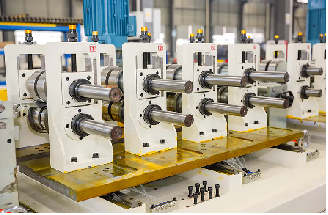
The drive system is the backbone of every cold roll forming line. It decides how smoothly power reaches each forming stand, how precisely the rolls s...
Read more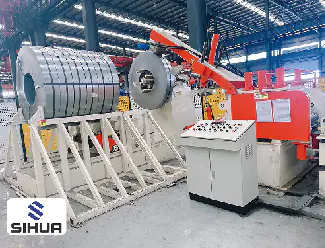
Line managers who move production from steel coils to roll forming aluminum rarely get to keep their setup sheet. A manufacturer forming 1.5 mm 5052...
Read more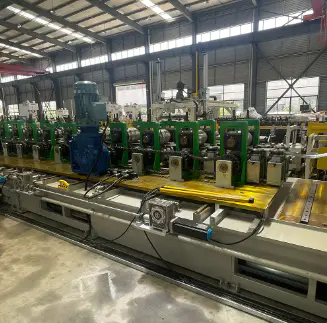
A metal fabricator taking on a purlin contract usually hits the same math: a press brake delivers one multi-bend part every 30 to 60 seconds, while ...
Read more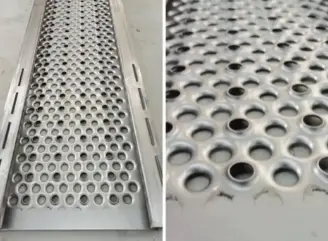
Scaffold metal decking, commonly known as scaffold walkboard or metal deck board, is a structural component that supports workers and materials on te...
Read more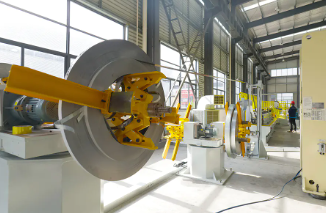
In suspended ceiling grid manufacturing, main tees and cross tees are the two most important profile types. They may look similar at a glance, but th...
Read more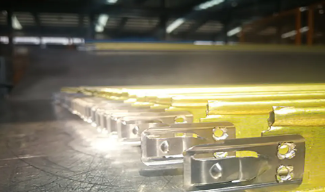
Ceiling T grid systems are one of the most widely used methods for creating suspended ceilings in commercial and industrial buildings. At the heart o...
Read more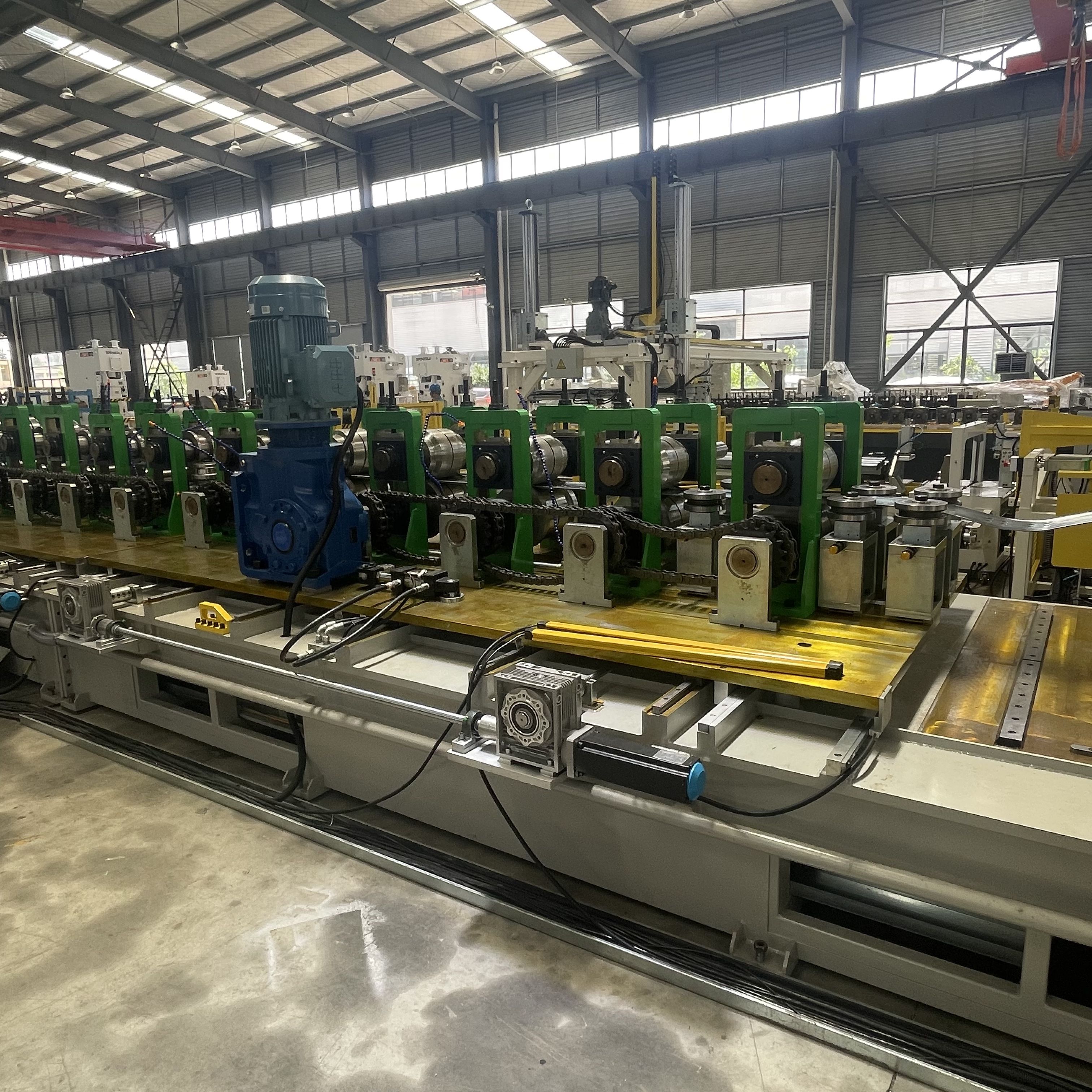
Steel fabricators bidding on a continuous-roof project usually reach the same conclusion when they review the drawings: the roof purlin is Z-shaped,...
Read more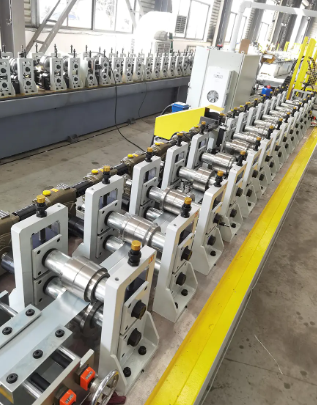
Selecting the correct input material for a Drywall Profile Roll Forming Machine is the single most critical decision that affects product quality, to...
Read more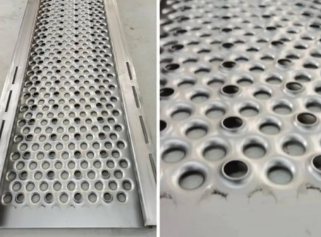
For decades, scaffolding manufacturing relied heavily on manual labor—cutting, bending, welding, and punching steel pieces into planks and components...
Read more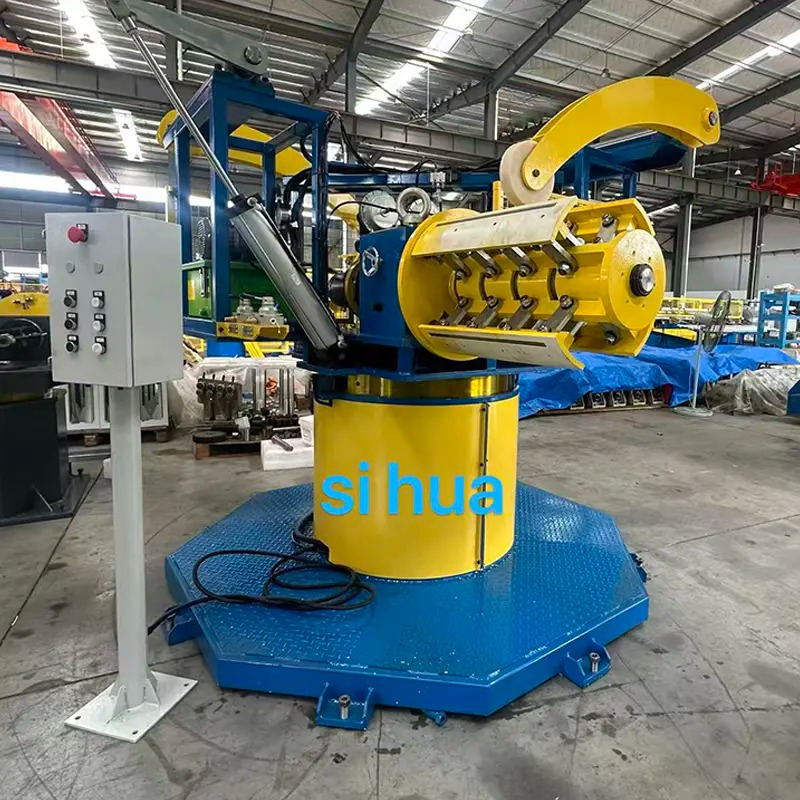
In the world of industrial storage solutions, the terms upright rack and pallet rack are often used interchangeably. However, when it comes to the ma...
Read more
In the landscape of modern metal fabrication, the shift toward energy-efficient machinery is no longer just an environmental consideration—it is a cr...
Read moreDon't hesitate to contact when you need us!
Contact Information
PRODUCTS
Mobile


 English
 Español
 русский