Content
The drive system is the backbone of every cold roll forming line. It decides how smoothly power reaches each forming stand, how precisely the rolls stay synchronized at high speed, and how much maintenance the machine will need over years of operation. When evaluating cold roll forming machinery, buyers usually compare three main transmission solutions: chain drive, gearbox drive, and cardan shaft drive. Each approach serves a different range of profiles, materials, and production targets. This article compares the three technologies in detail so you can choose the drive system that best matches your production requirements.
In a cold roll forming machine, the main motor provides the driving torque, but that torque must be distributed to every forming stand in a precise and synchronized way. The transmission performs this task. It governs the angular position of each roll station and must maintain that relationship under changing load conditions.
The three common transmission layouts are:
Each layout changes the machine cost, rigidity, maintenance routine, and capability.
The chain drive is one of the most popular and efficient transmission methods in the roll forming industry. It is a highly cost-effective and technologically mature solution. A typical chain-driven machine uses a main gear reducer and a series of chains and sprockets that connect the drive shaft to each forming station.
For thin-gauge architectural sections such as drywall studs and track, ceiling grid components, and light steel framing, a chain drive is often the most economical way to start production. This is why our automatic change-width C/U drywall roll forming machine uses a chain-driven design.
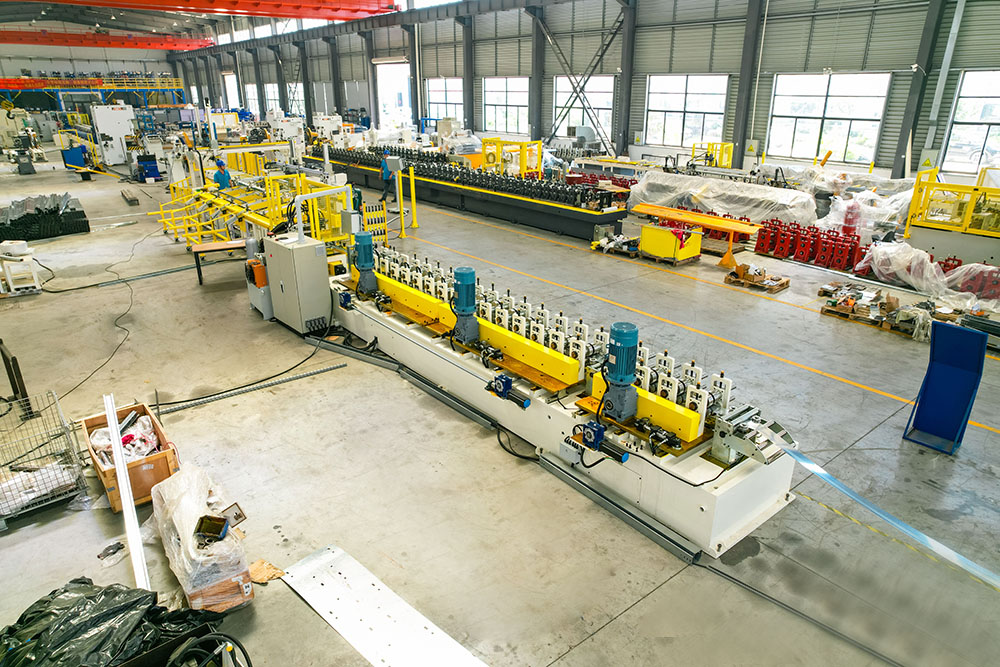 CU Automatic Change-Width Chain-Driven Roll Forming MachineThis economical chain-driven machine suits thin-gauge architectural profiles like drywall studs and track. It features automatic width and height changes, a 3-ton double-head decoiler, and cutting without stopping for faster production.View Product →
When higher rigidity and precision are required, gearbox transmission is the preferred solution. In a gear-driven machine, power is distributed from the main motor through enclosed gearboxes to each forming stand. Many manufacturers use a series of spur or bevel gearboxes, while others use a worm gear reducer for each station. Because the drive train is fully enclosed, internal components are protected from dust and moisture, and noise is reduced.
Gearbox drive is widely adopted for machines running at high line speed, for heavier gauge material, and for production lines that operate around the clock. It is also the standard choice for manufacturers who need fast changeover. The gearbox quick-change cassette machine, for example, can switch from one profile to another in minutes rather than hours. This type of transmission is especially common in drywall profile roll forming, where speed, precision, and frequent changeover are normal requirements.
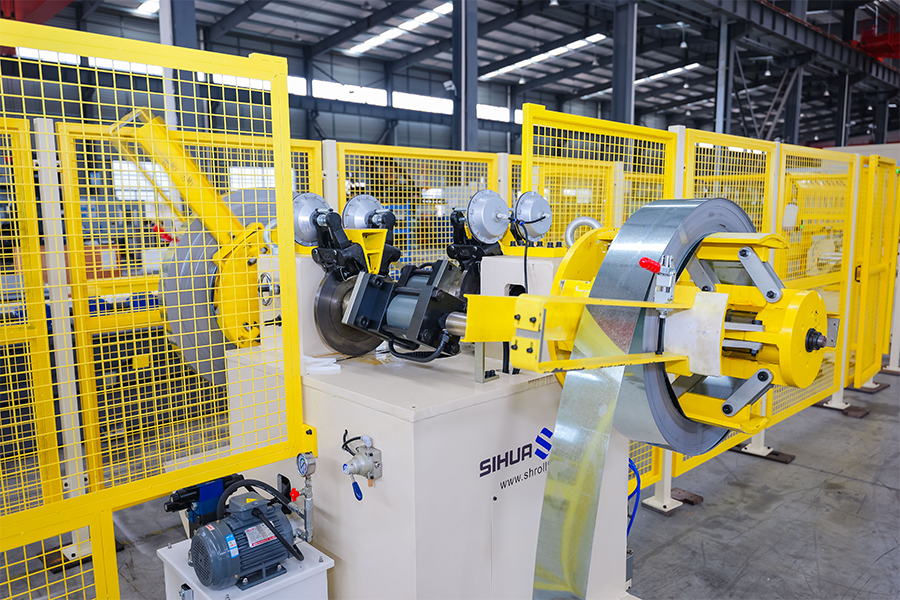 CU Quick-Change Cassette Gearbox Roll Forming MachineDesigned for high-speed and heavy-gauge production, this gearbox-driven machine enables rapid profile changeover in about 30 minutes. It includes a 5-ton automatic decoiler and integrated packing and stacking options.View Product →
Cardan shaft transmission, also called universal joint shaft drive, is the strongest and heaviest of the three systems. A central reduction gearbox drives a longitudinal shaft line, and universal joints at each stand transfer the torque to the upper and lower forming rolls. Because cardan shafts are made of solid steel with heavy universal joints, this layout can carry very large forming forces.
A gearbox-and-universal-joint transmission is strong and heavy. It can deliver very large forming power, but it costs significantly more than a chain drive.
Cardan shaft drive is heavier and more expensive than chain drive. The universal joints need periodic lubrication and inspection, and precise alignment is important during installation. Choose this solution when the application truly demands high torque and ruggedness, such as large structural purlins, heavy racking sections, and high-strength automotive profiles.
The table below compares the three drive systems across the most important selection criteria.
| Parameter | Chain Drive | Gearbox Drive | Cardan Shaft Drive |
|---|---|---|---|
| Initial investment | Lowest | Higher | Highest |
| Transmission precision | Good | Excellent | Good to excellent |
| Load capacity | Light to medium | Medium to heavy | Heavy with very high torque |
| Maintenance | Regular lubrication and chain tensioning | Low, sealed gear units | Joint lubrication and alignment |
| Line speed | Medium | High | Medium to high |
| Noise level | Moderate | Low | Moderate |
| Best suited for | Thin-gauge profiles and standard shapes | High-speed continuous lines and quick changeovers | Wide structural profiles and high-strength steel |
In practice, the drive choice is never isolated from the rest of the machine design. The forming stations, punching unit, cut-off press, and control system must all match the selected transmission. That is why it is best to work with an experienced machine builder who can specify the complete line.
Here are the key questions to ask when selecting the transmission for a new cold roll forming machine:
After these questions are answered, compare machines on the same technical basis and review actual project case studies from the manufacturer. A machine that looks good in the brochure must also perform well on the shop floor.
For example, a manufacturer producing a wide range of drywall profiles with frequent size changes would benefit from an automatic change-width machine with a robust gearbox arrangement. A producer running standard profiles on two or three shifts might instead choose a worm gear reducer machine, which combines the reliability of a gear drive with a compact footprint and steady operating costs.
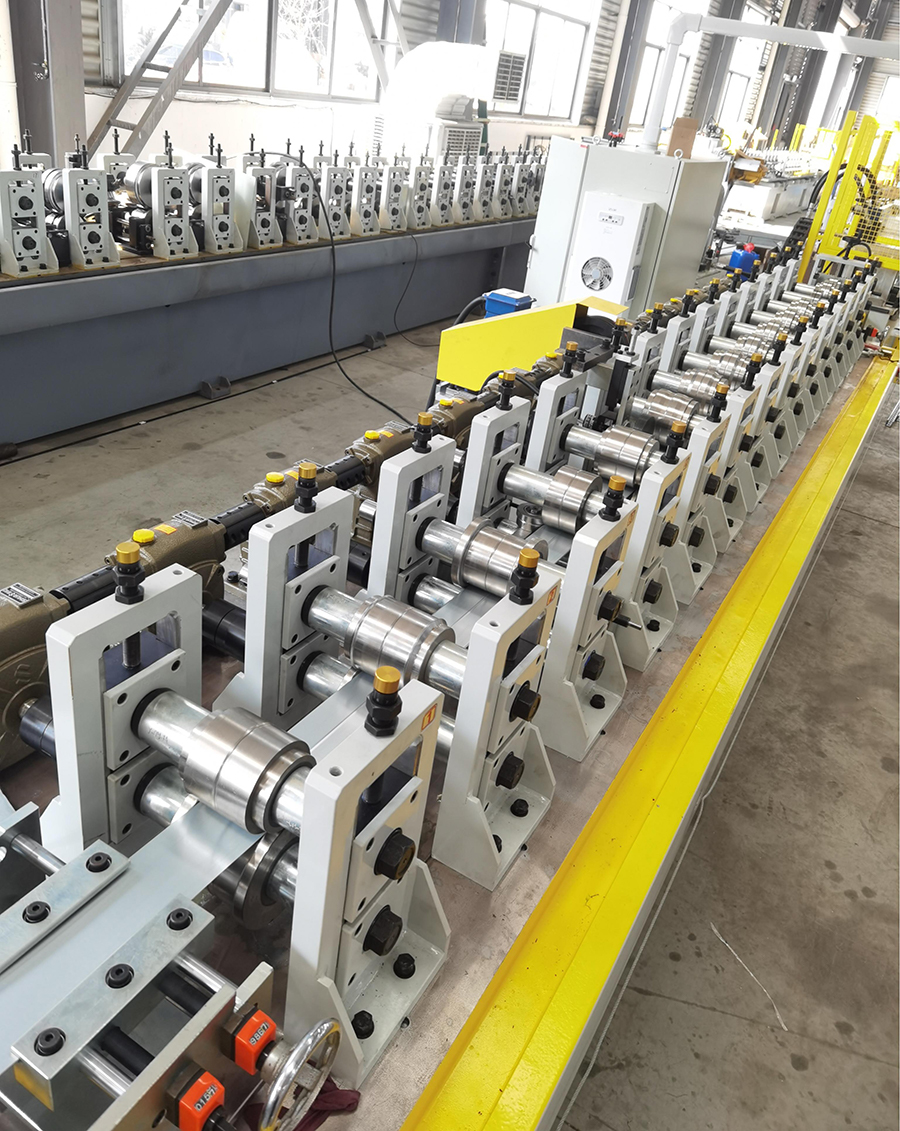 Drywall Worm Gear Reducer Roll Forming MachineA simple, economical model with a worm gear reducer, ideal for standard drywall profiles. It offers a single-head decoiler, a welded machine base, precise cutting within ±1mm, and can be upgraded to a quick-change cassette system.View Product →
The main difference is how power is distributed to the forming stands. Chain drive uses roller chains and sprockets, which are inexpensive but need regular tensioning. Gearbox drive uses enclosed gear units, which provide higher rigidity and synchronization, lower maintenance, and better performance at high speed and heavy load, but at a higher cost.
Choose cardan shaft drive when the machine must form wide or thick profiles in high-strength material where forming forces are very high. The universal joint shaft line is the strongest transmission layout and delivers the highest torque, but it is also the most expensive and requires regular joint maintenance.
Yes. If the rolls lose synchronization under load, the material can be stretched or compressed between stands, causing twists, bows, or inconsistent dimensions. Gearbox and cardan shaft drives hold their timing better under heavy load, so they are preferred for high-precision and high-speed forming.
In most cases, it is neither simple nor economical to change the transmission type after a machine is built. The main frame, gearbox mounts, pass line, and control parameters are all designed around the selected drive. It is better to decide on the correct transmission before ordering the machine.
The selection of chain drive, gearbox drive, or cardan shaft drive is one of the most important decisions when buying cold roll forming machinery. Chain drive offers the lowest cost and is a reliable choice for light-to-medium gauge profiles at moderate speed. Gearbox drive provides the rigidity, precision, and low maintenance needed for high-speed lines, continuous shifts, and quick-change production. Cardan shaft drive handles the heaviest forming loads with the highest torque, but it comes with the highest price and maintenance requirements.
Match the transmission to the material, the profile range, the line speed, the changeover frequency, and the operating schedule. When these factors are aligned, you will build a production line that performs dependably for many years.

wide material single decoiler Leveling machine and Machine for punching small holes on both sides All the upper and lower rollers are connected to a worm gear reducer.This makes the for...
See Details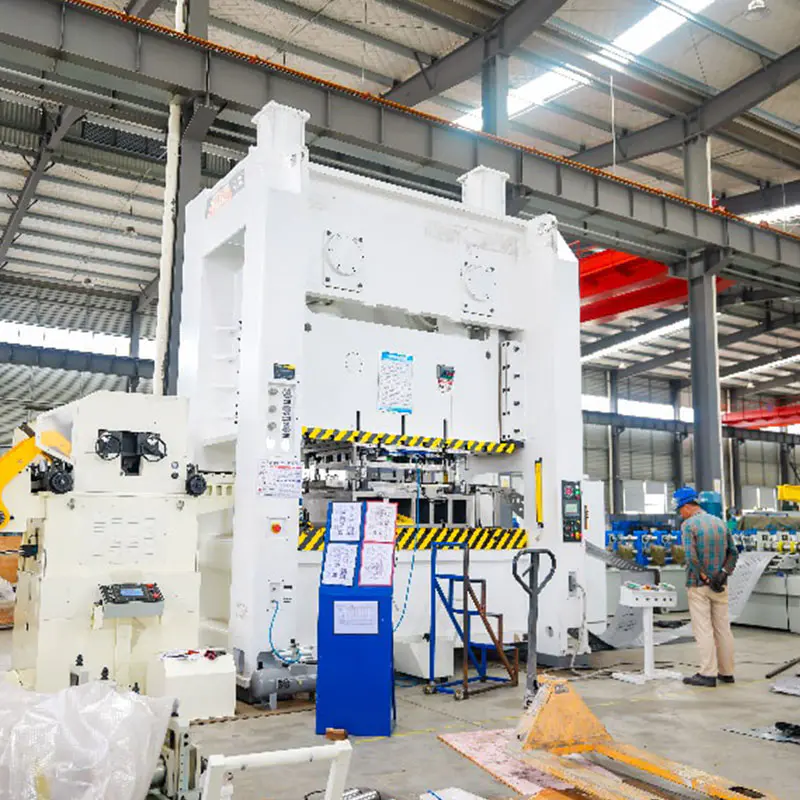
Decoiler System 3-in-1 Decoiler Straightener Feeder Capacity: 5 tons hydraulic coil mandrel expansion, servo feeding & straightening. Punching machine 400 Ton Power Press Capacity: ...
See Details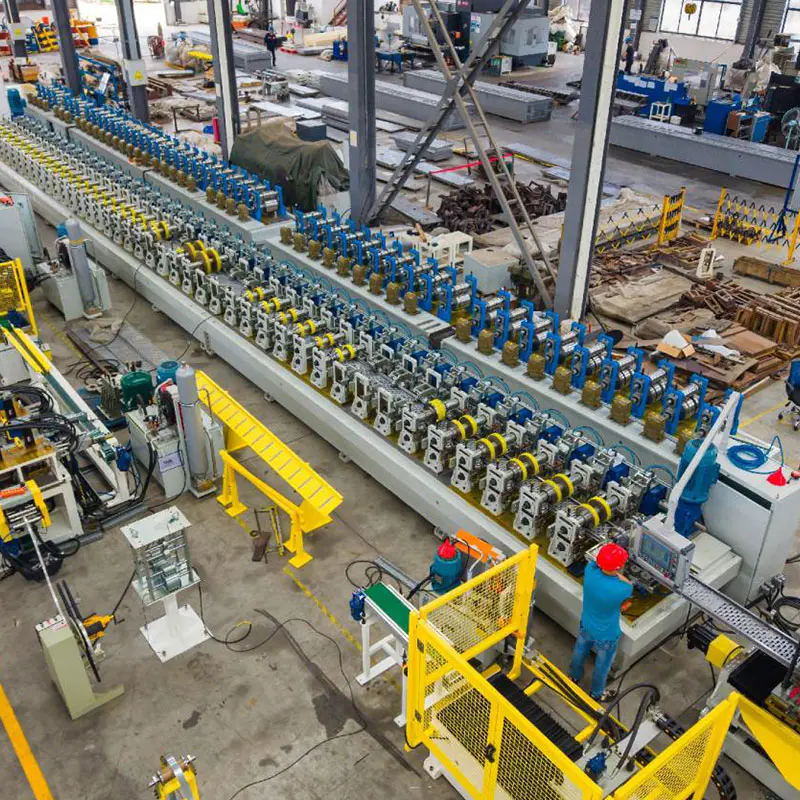
Decoiler System COMBI 3/1 decoiler lever and feeder Capacity: 3-8 tons high feeding accuracy, fully automatic operation, widely used for metal coil stamping Punch Press Unit Punching fo...
See Details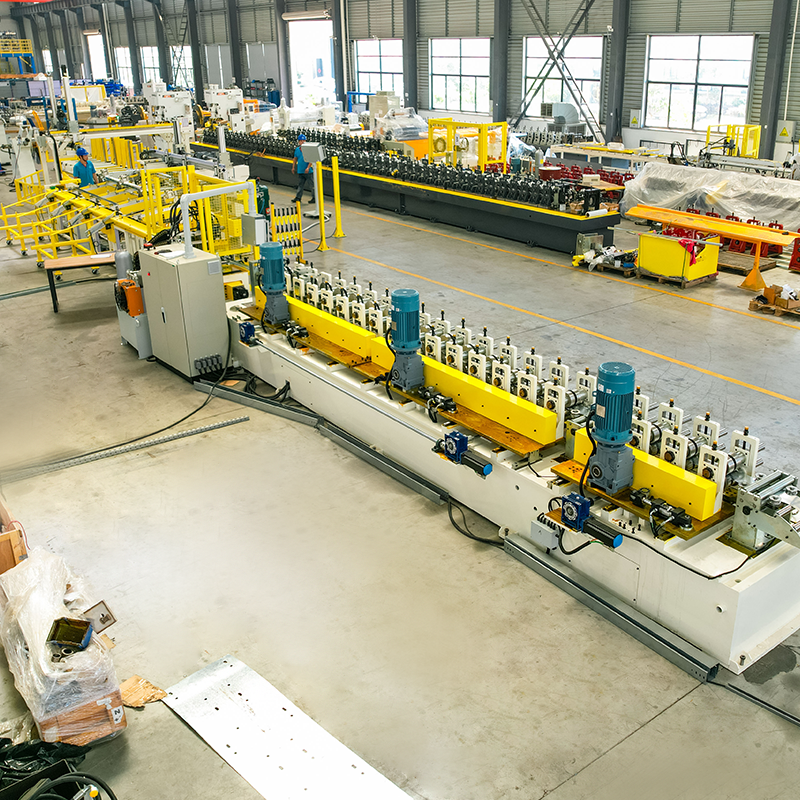
CU automatic width-change roll forming machine, chain drive, automatic packing. Economical double-head hydraulic decoiler, 3 tons per side, manual brake Automatic width and height chang...
See Details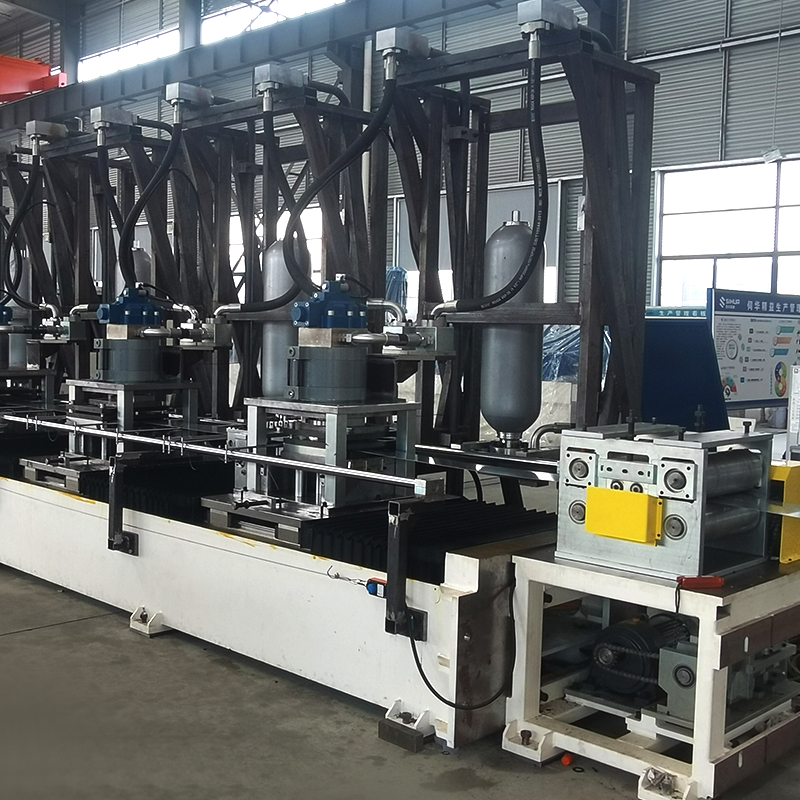
8-Axis servo punching solar PV bracket roll forming machine, flexible adjustment of punching position. Material decoiler with storage platform and robotic arm Feeder (to provide power f...
See Details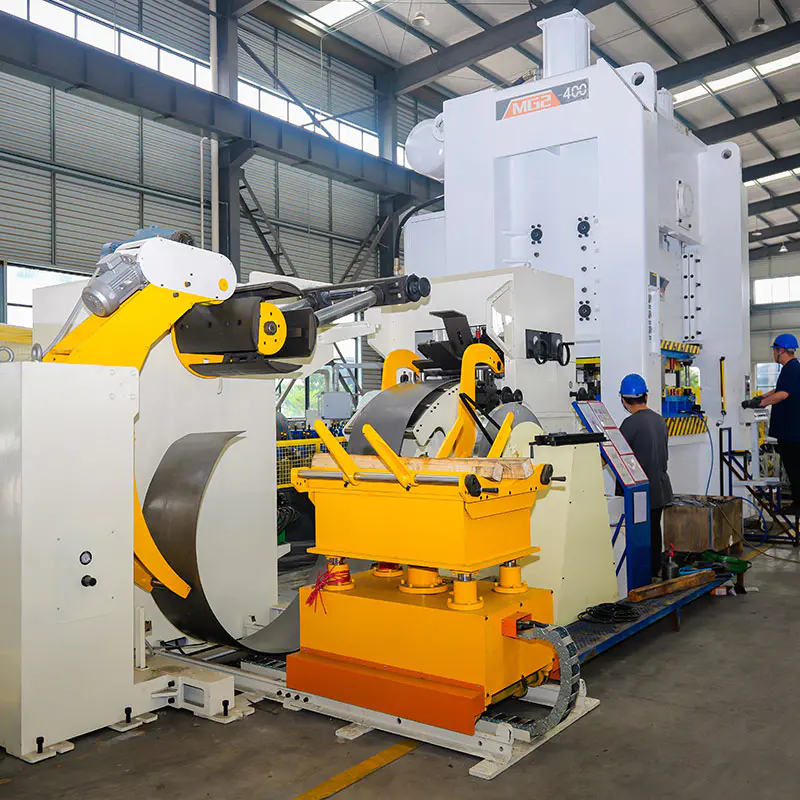
3-in-1 Decoiler Straightener Feeder System · 3-in-1 Decoiler Straightener Feeder capacity: 5 tons Hydraulic mandrel expansion Servo-driven straightening & feeding Synchronized signal wit...
See DetailsDon't hesitate to contact when you need us!
Contact Information
PRODUCTS
Mobile


 English
 Español
 русский