If you are interested in this product, click here to send an inquiry to Sihua.
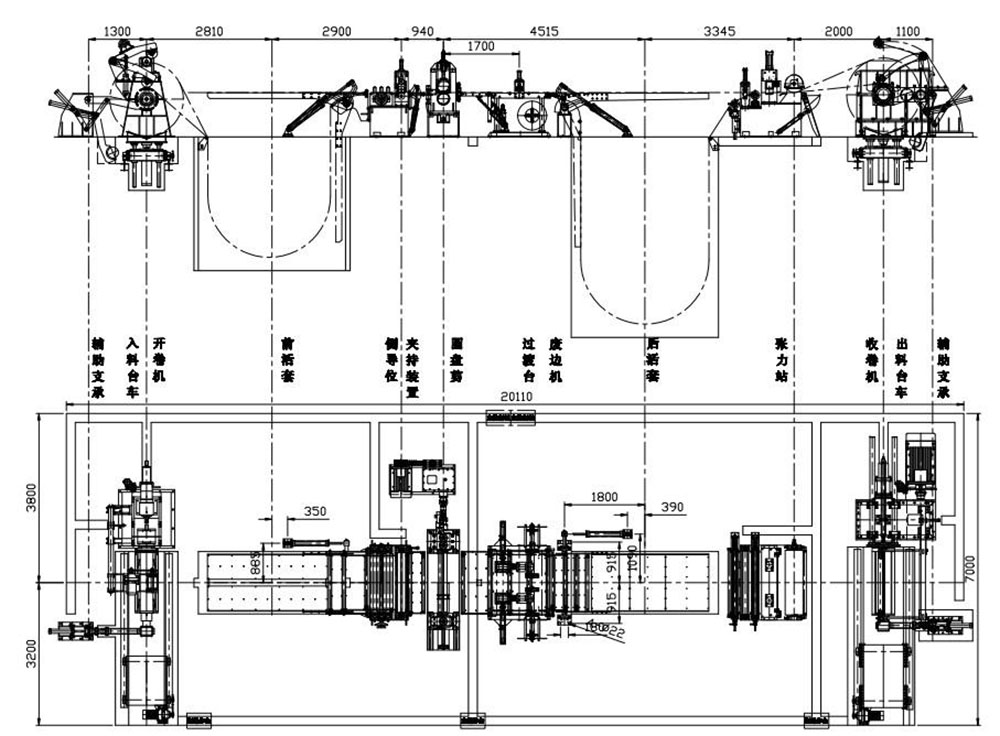 |
Slitting machine layout diagram |
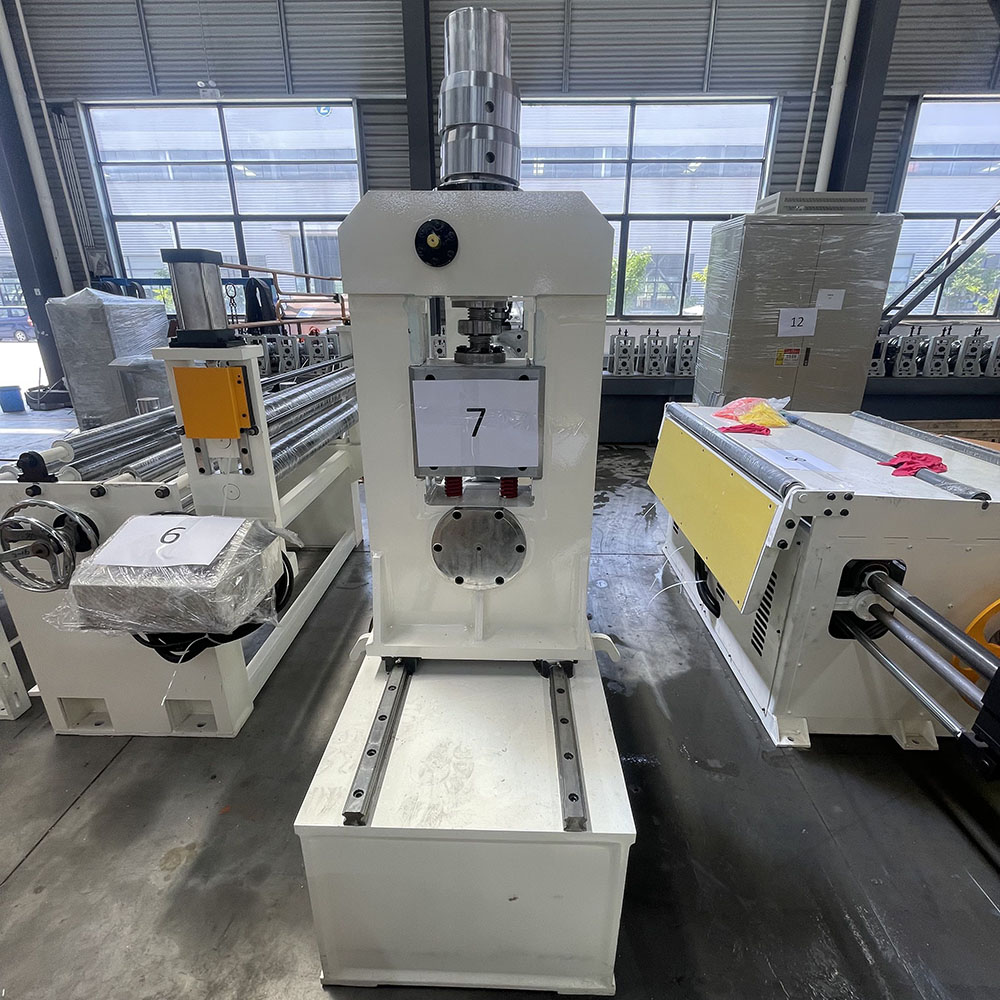 |
Slitting machine layout diagram |
 |
Clamping device |
 |
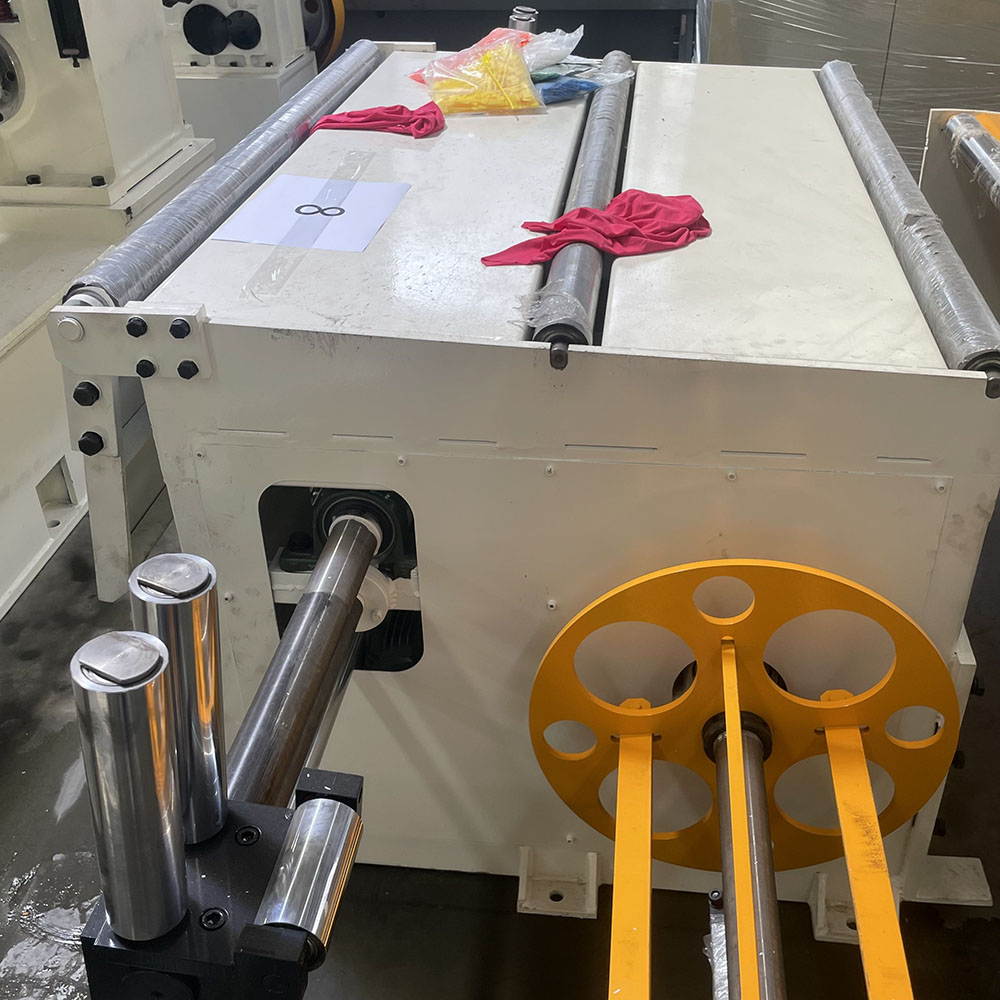
Tension station |
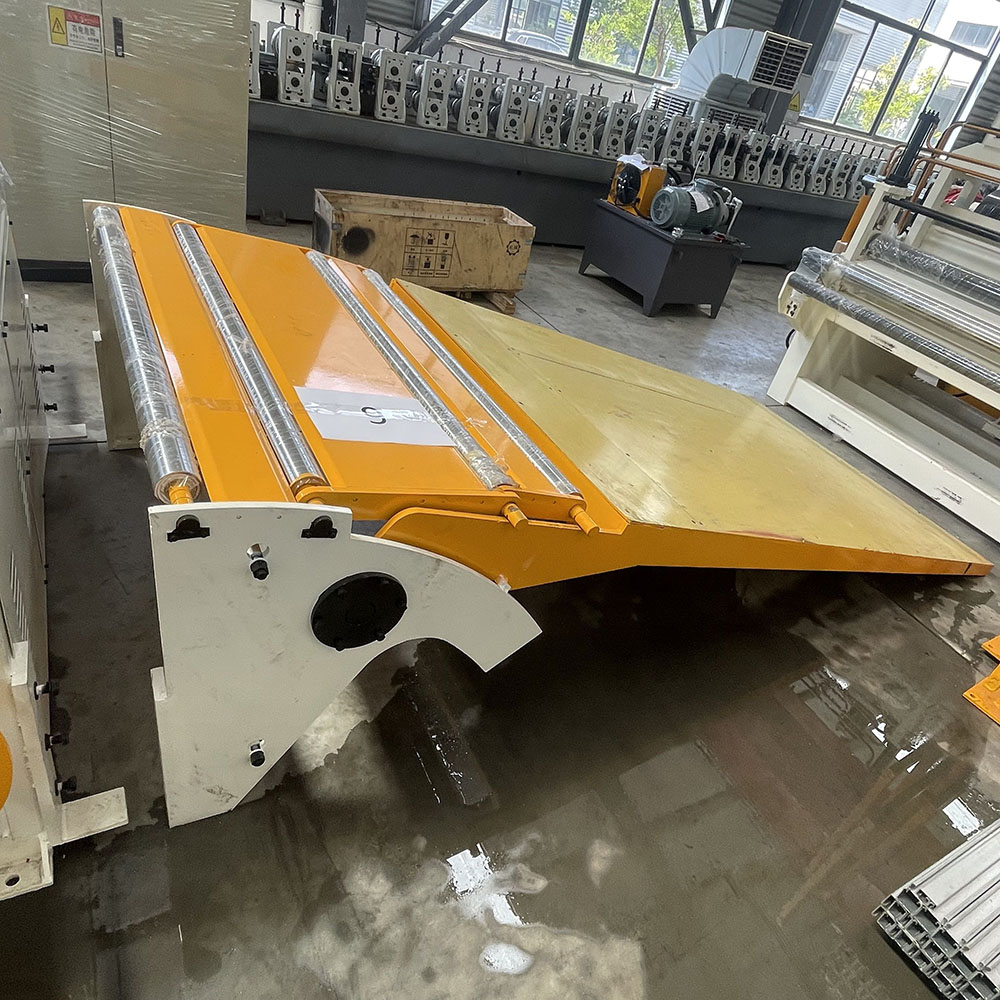 |
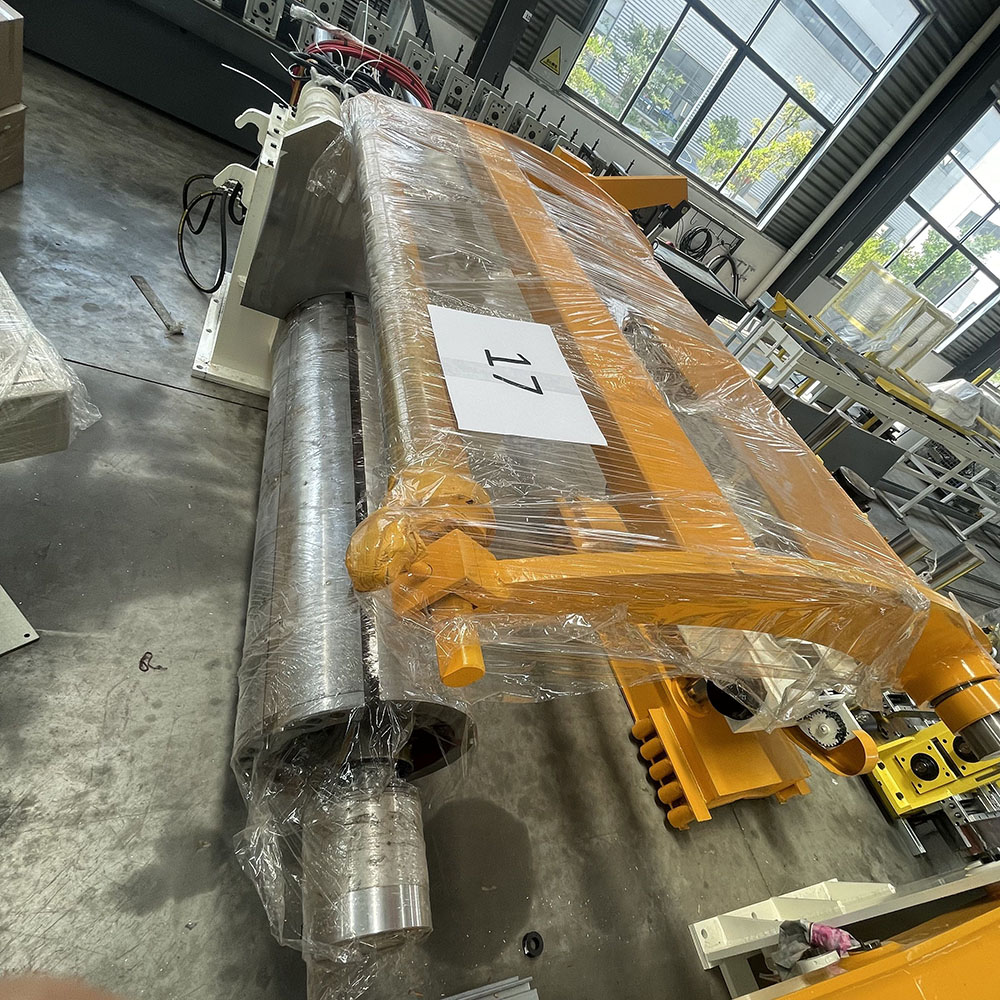
Winding machine, unloading trolley |
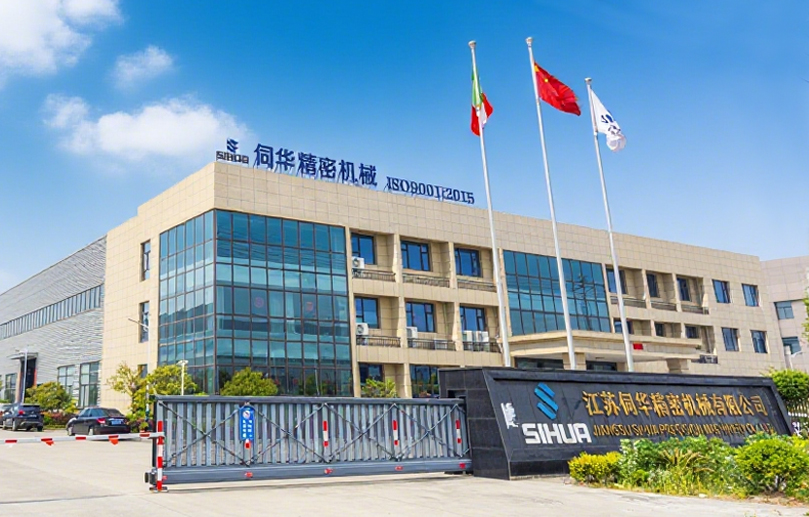
Service Case Show
Specializing in efficient production, helping to upgrade the global construction industry
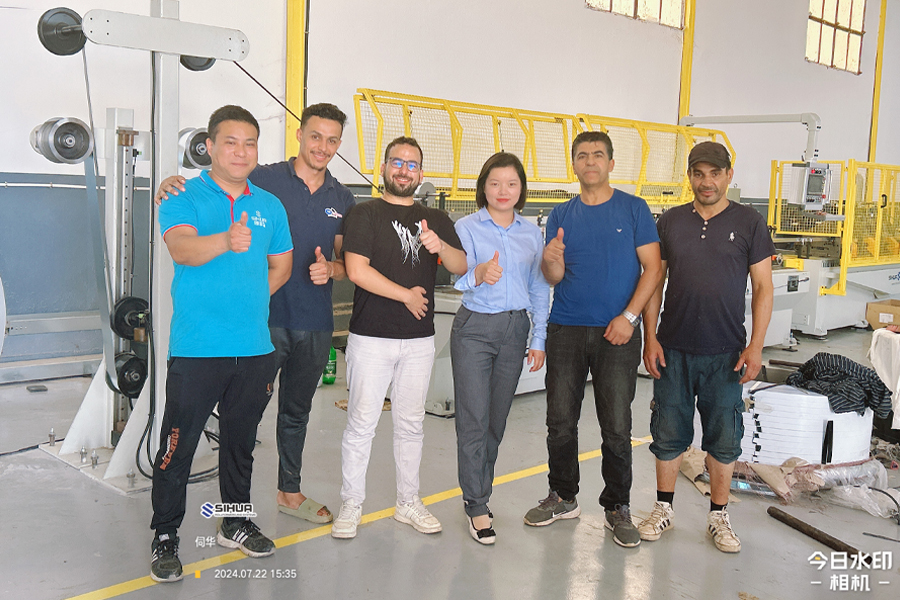
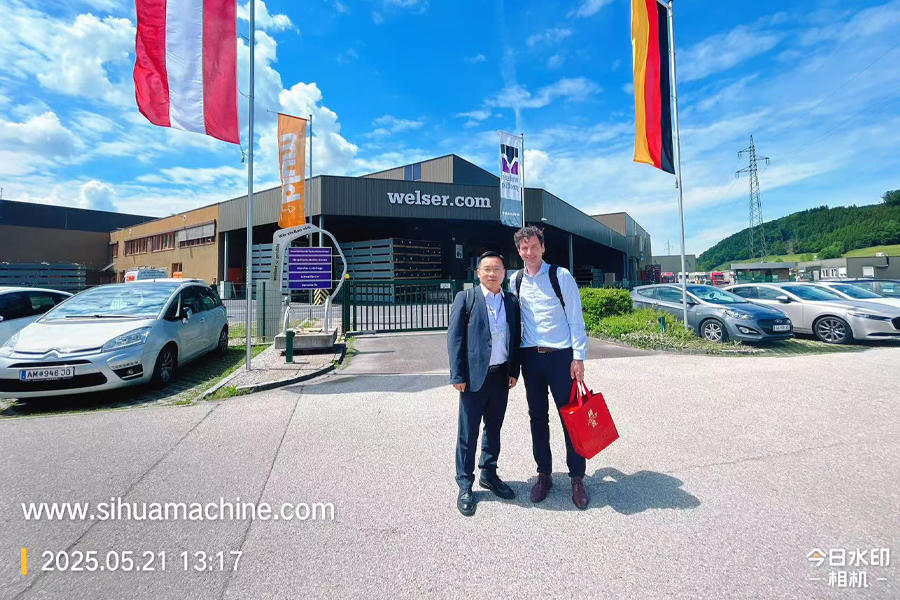


Event Name EuroBLECH 2026 (28th International Sheet Metal Working Technology Exhibition) Date 2...
READ MORECeiling T grid systems are one of the most widely used methods for creating suspended ceilings in c...
READ MORESteel fabricators bidding on a continuous-roof project usually reach the same conclusion when they...
READ MORESelecting the correct input material for a Drywall Profile Roll Forming Machine is the single most ...
READ MOREFor decades, scaffolding manufacturing relied heavily on manual labor—cutting, bending, welding, an...
READ MORE
5-ton capacity hydraulic Decoiler with wagon Energy storage Frame beam...
See Details
The production line for vehicle B-profile automotive chassis reinforcement...
See Details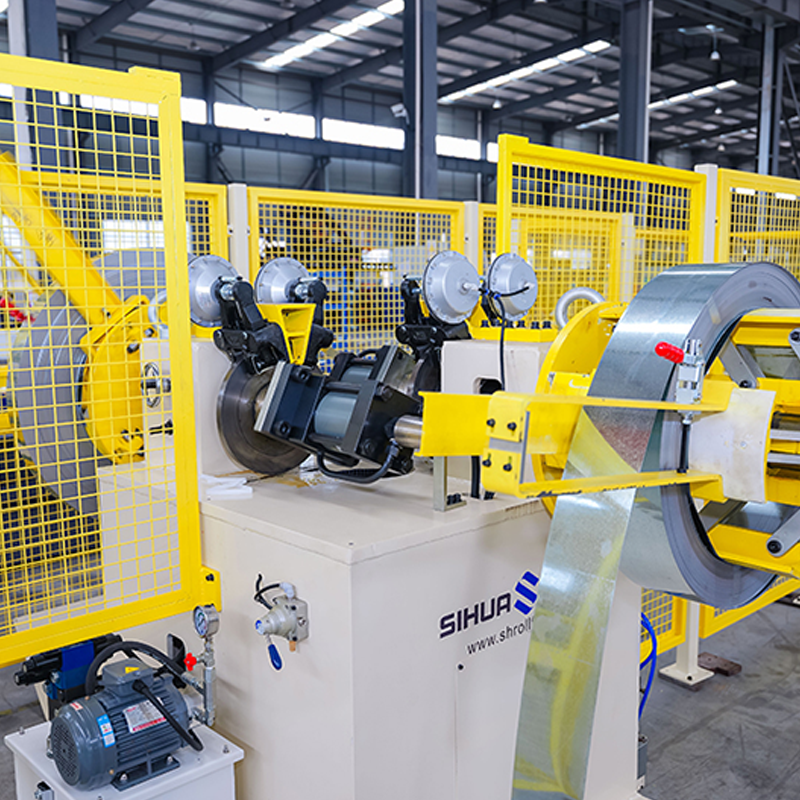
Automatic rotating double-head hydraulic decoiler with no-material detectio...
See Details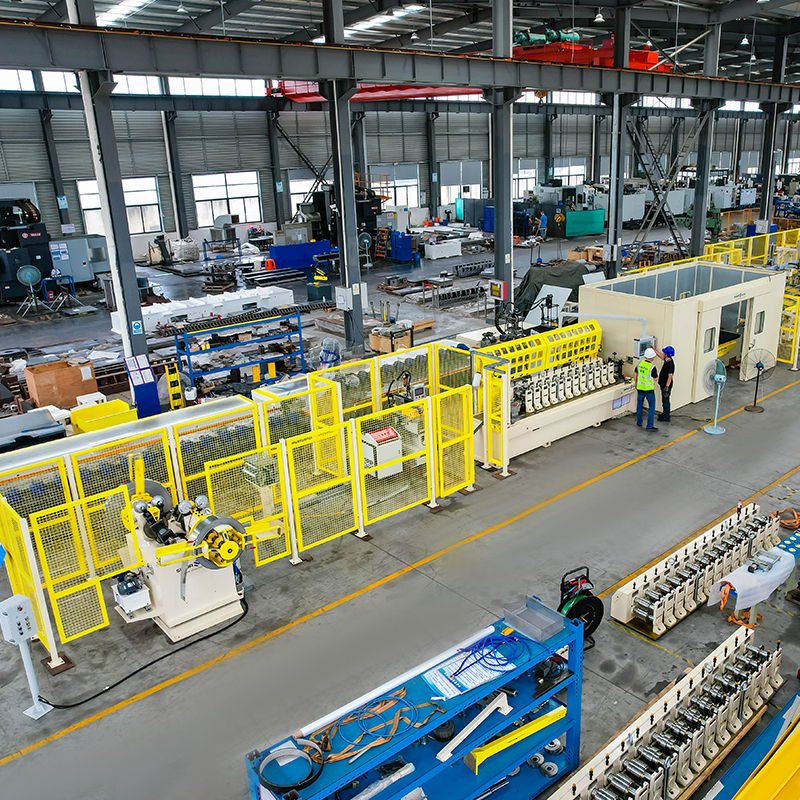
Automatic rotating double-head hydraulic decoiler with no-material detectio...
See Details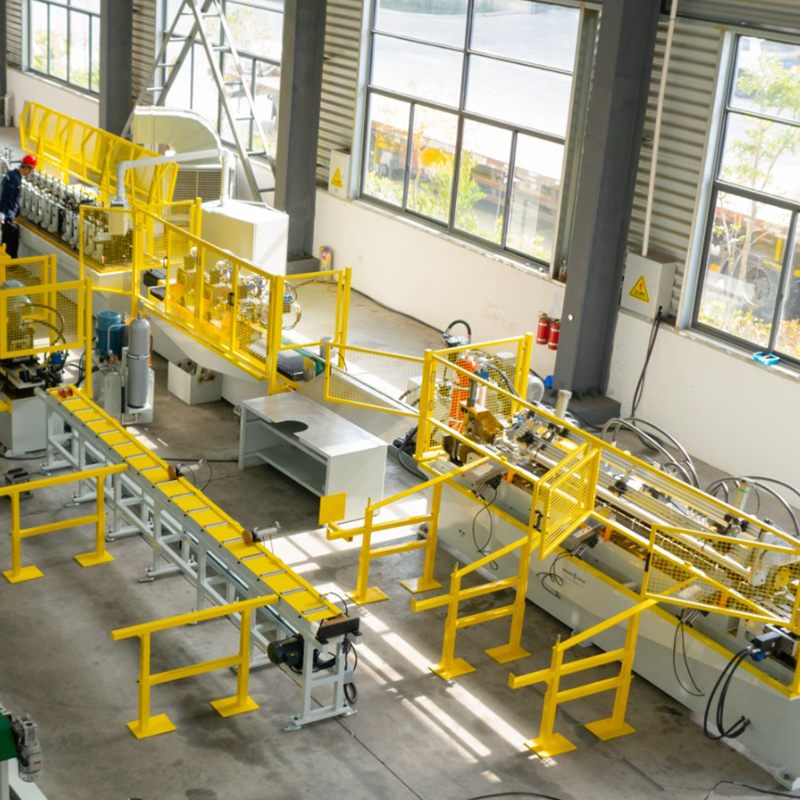
Double-head pre-painted steel hydraulic expanding/contracting uncoiler, dou...
See Details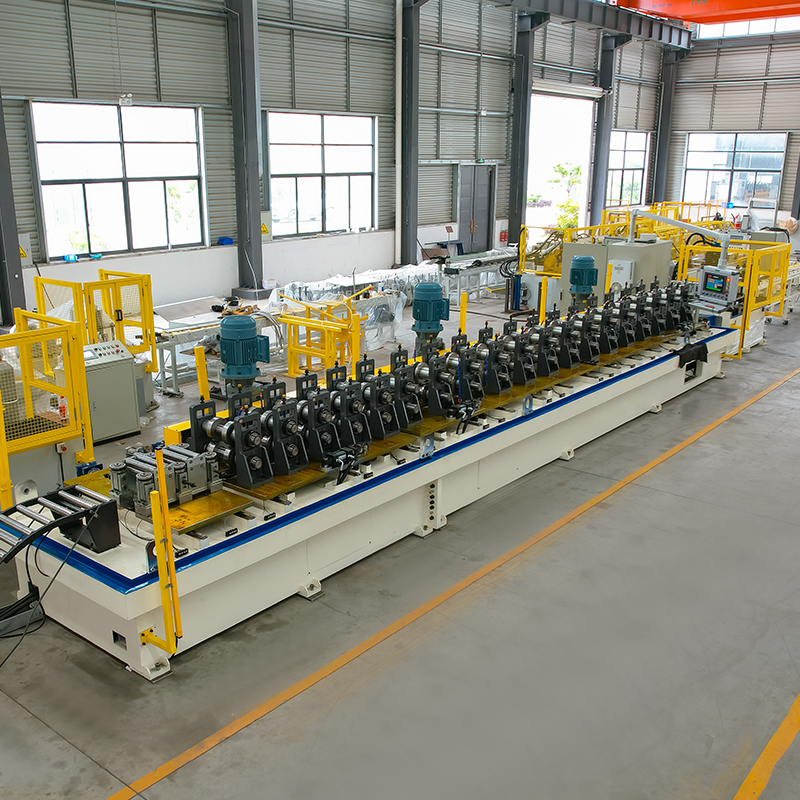
Solar bracket auto change width roll forming machine Material decoiler...
See DetailsA slitting machine plays an essential role in the manufacturing industry, particularly in industries such as metal processing, paper production, and plastic fabrication. This machine is used for cutting long coils of material into narrower strips or sheets. Whether it’s metal, paper, or plastic, the slitting process is key for transforming raw materials into manageable sizes suitable for further production processes or for direct use in applications.
A slitting machine is an industrial machine that cuts large coils of material, such as metal, paper, or plastic, into smaller strips. The process involves feeding a coil of material through the machine, where rotary blades or knives cut the coil into narrow widths according to the required specifications.
The slitting process is typically performed in a straight line, although it can also involve more complex patterns. Depending on the material, slitting can produce products like narrow metal strips, paper rolls, plastic films, and more. The choice of material, blade design, and machine configuration can vary based on the industry and specific requirements of the slitting process.
Slitting technology has evolved significantly over the years. Early slitting machines were manually operated, but today’s machines are fully automated and equipped with advanced technology for precision cutting.
Precision Control: Modern slitting machines come with automated speed and tension control systems. These systems allow manufacturers to achieve more precise cuts, improving the quality of the final product and minimizing material waste. These machines can cut at high speeds with consistent results, improving operational efficiency.
Roller and Blade Technology: Slitting machines use various cutting mechanisms, including rotary blades, oscillating knives, and guillotine cutters, depending on the material being processed. For metal, rotary slitting blades are most commonly used because they are efficient and capable of providing clean cuts. Paper and plastic slitting machines may use different types of cutting mechanisms based on the properties of the material.
Automated Features: Many of today’s slitting machines come with automatic coil loading, tension control systems, and edge trimming features that reduce manual intervention, thus improving productivity and reducing human error.
Advanced Materials Handling: Modern machines are often equipped with automated material handling systems that allow the coils to be fed into the slitting machine more efficiently. These systems are designed to handle materials of varying thickness, weight, and width.
| Feature | Basic Slitting Machine | Advanced Slitting Machine |
|---|---|---|
| Cutting Mechanism | Manual rotary blades | Automated rotary blades and knives |
| Precision | Moderate | High precision with automated control |
| Material Type | Limited | Wide range (metal, paper, plastic) |
| Speed | Low to moderate | High speed with precision control |
| Maintenance | High manual intervention | Reduced manual intervention with automated parts |
| Cost | Lower | Higher, but more efficient and precise |
Slitting machines are versatile and used in a wide range of industries. The applications vary depending on the material being processed. Here are some common applications:
Metal Processing: In the metal industry, slitting machines are used to cut coils of steel into narrower widths, making them ideal for use in automotive, construction, and electrical industries. Metal slitting is commonly used to create strips of material for sheet metal fabrication, roofing, automotive parts, and electrical components.
Paper and Film Slitting: In the paper and plastic industries, slitting machines cut large rolls of paper, film, or foil into narrower widths. This is commonly used for packaging materials, labels, and printing applications.
Textile and Fabric: Fabric slitting is used to cut rolls of fabric into desired widths for the garment, furniture, and other textile industries. The precision of fabric slitting machines is essential for ensuring uniformity and smooth edges.
Packaging Industry: Slitting machines also find applications in the packaging industry, where they help produce materials such as tape, labels, and packaging films. The high-speed capabilities of these machines help boost productivity in this fast-paced industry.
The slitting machine can process a wide range of materials depending on the industry. Below are some common materials processed by slitting machines:
When selecting a slitting machine for your business, there are several important factors to consider:
Material Type: The type of material you plan to slit will determine the type of machine you need. For example, metal slitting machines often use rotary blades, while paper slitting machines may use oscillating knives.
Precision Requirements: Depending on your industry, you may require machines that offer highly precise cuts. In industries like aerospace, automotive, and electronics, precision slitting is essential to meet the exact specifications required for parts and components.
Production Speed: If high-volume production is a key consideration, opting for a high-speed slitting machine with automated features like coil loading, tension control, and automatic edge trimming will enhance efficiency.
Machine Configuration: There are different configurations of slitting machines, including single rotary, duplex, and turret slitting machines, each suited for different production requirements. Duplex slitting machines are particularly useful for large-volume production as they can handle two or more strips at once.
Maintenance: Ensure the slitting machine you select has easy-to-access parts for maintenance and repair. Machines with automated features often have fewer maintenance requirements, but they can be expensive.
Energy Efficiency: As energy costs rise, energy-efficient slitting machines are becoming increasingly important. Machines that use less power while maintaining performance can help you cut operational costs over time.
Shanghai Sihua Precision Machinery Co., Ltd. is a professional manufacturer specializing in the R&D of automatic high-speed flying shear roll forming machines. With years of experience, Sihua has become a leader in the development of cutting-edge roll forming technology. Our main products include ceiling T-grid roll forming machines, drywall profile (light-gauge steel) roll forming machines, strut channel roll forming machines, upright rack roll forming machines, cable tray roll forming machines, scaffolding deck (heavy-gauge steel) roll forming machines, automatic metal profile packaging machines, customized machines, and roll forming machines for automotive high-strength steel.
At Sihua, we are committed to delivering high-quality, precise, and innovative roll forming machines that cater to a wide range of industries, from construction to automotive.
Technology
Technology is the primary driving force at Sihua. We focus on integrating the latest technological advancements into our roll forming machines to improve their efficiency, precision, and performance. Automation is the future of the industry, and we are dedicated to leading the way in automated manufacturing solutions.
Innovation
Innovation is at the heart of our business. We constantly explore new ways to enhance the functionality and versatility of our machines. By listening to the needs of our clients and staying ahead of industry trends, we continue to offer innovative solutions that set new standards in roll forming technology.
Service
Sihua is known for its exceptional customer service. We prioritize customer satisfaction by offering expert guidance during the installation and operation of our machines. Our after-sales service ensures that customers receive timely support and maintenance to maximize the lifespan and performance of their equipment.
Mission
Our mission is to provide the highest quality roll forming machines that meet the evolving needs of industries worldwide. We aim to empower businesses by offering reliable, innovative, and cost-effective solutions that drive productivity and success.
At Sihua, we believe that technology, innovation, and exceptional service are key to building lasting relationships with our customers and ensuring their continued success.
1. What types of materials can slitting machines process?
Slitting machines can process materials such as metals (steel, aluminum, copper), paper, plastics, textiles, and foils. The machine’s configuration and blade design are chosen based on the material’s properties.
2. How do slitting machines work?
Slitting machines work by feeding coils of material through rotary blades or knives, which cut the material into narrower strips or sheets. The cutting process is automated in modern machines, ensuring high precision.
3. What factors should I consider when choosing a slitting machine?
Key factors include the material being processed, required precision, production speed, machine configuration, maintenance requirements, and energy efficiency.
4. What industries use slitting machines?
Slitting machines are used in a variety of industries, including metal processing, packaging, paper and film production, automotive, textile manufacturing, and more.
5. What are the benefits of using a slitting machine in my business?
Slitting machines improve efficiency by automating the cutting process, reduce waste by ensuring precision cuts, and increase production speeds, all while ensuring consistent product quality.
Don't hesitate to contact when you need us!
Contact Information
PRODUCTS
Mobile


 English
 Español
 русский