If you are interested in this product, click here to send an inquiry to Sihua.
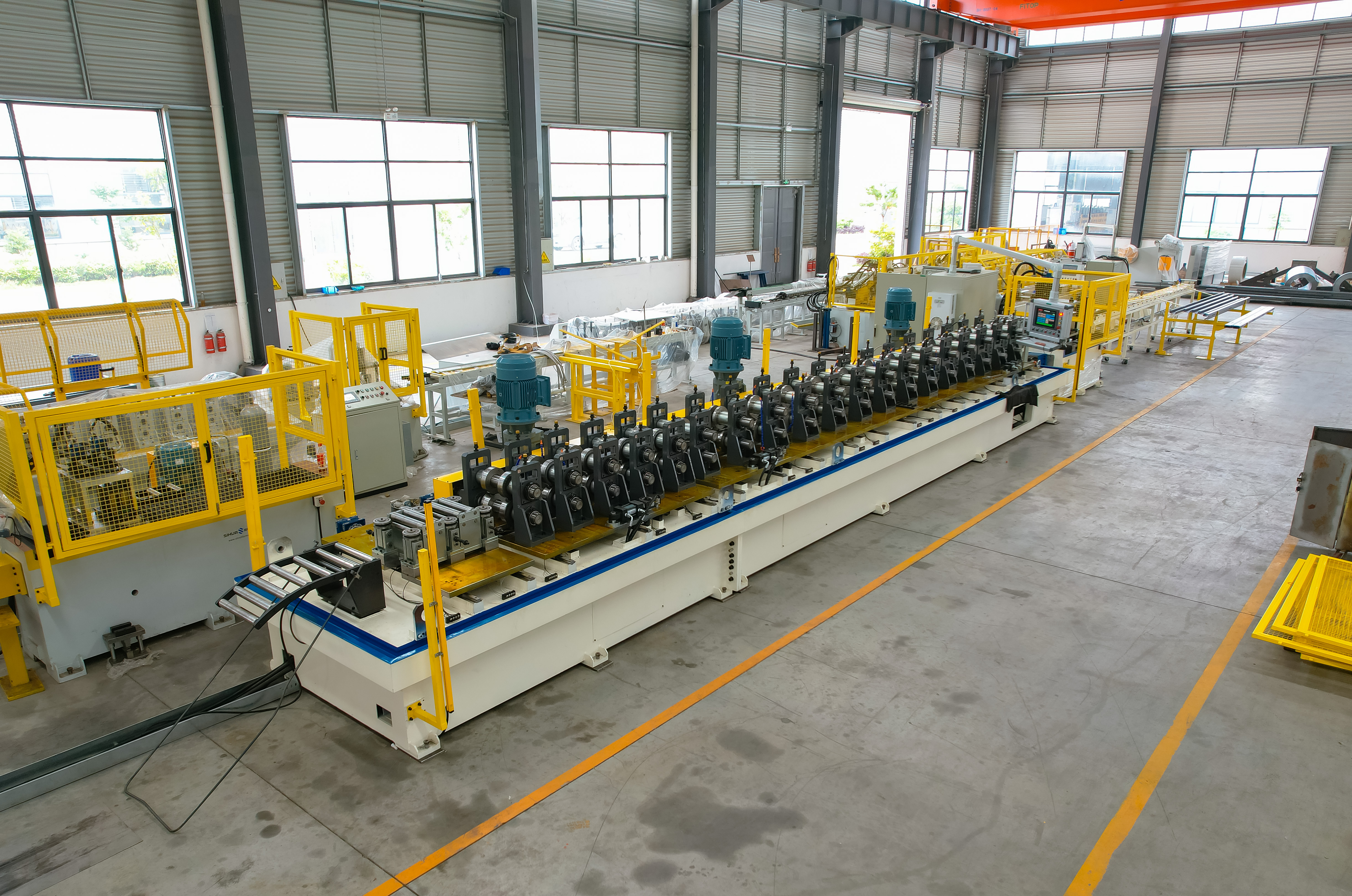 |
Solar bracket auto change width roll forming machine |
 |
Material decoiler with storage platform and robotic arm |
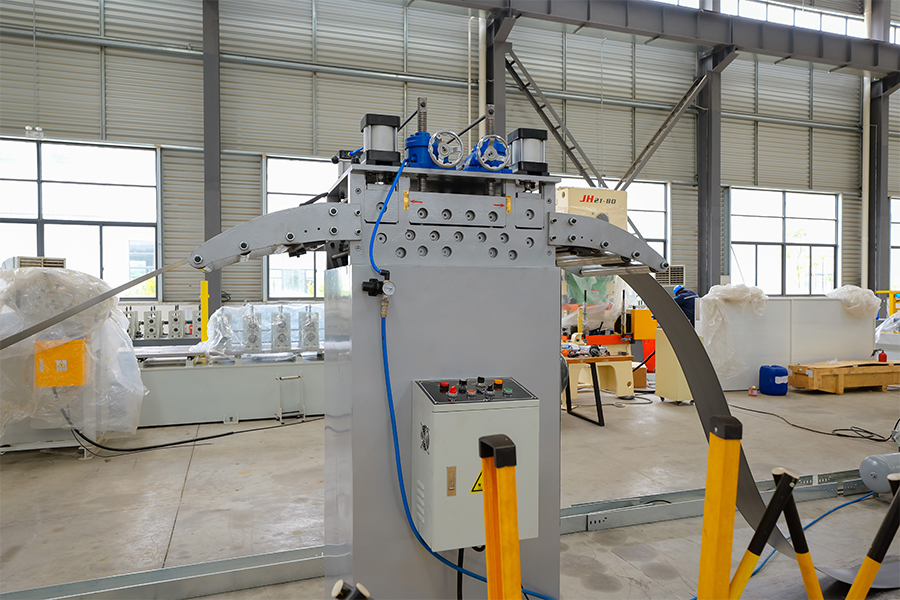 |
Leveling machine(A leveling machine is required before using a punch press.) |
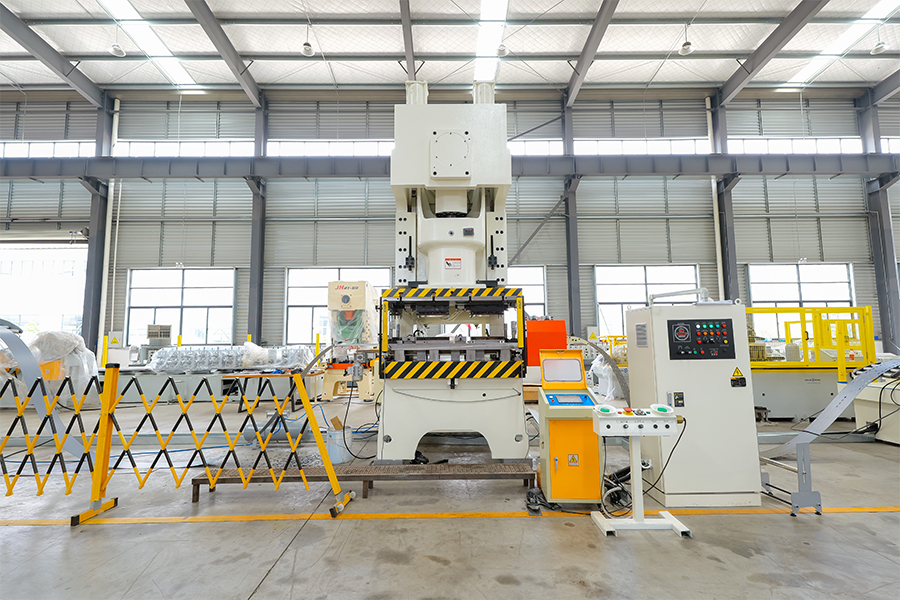 |
Yadon/Yangli 125-ton press machine (optional) |
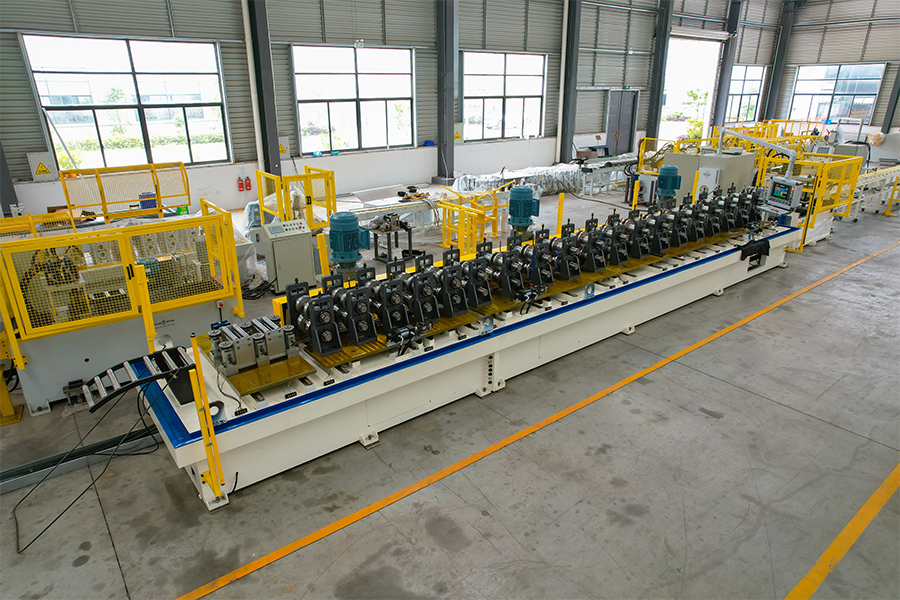 |
30-station roll forming machine. Shaft is 80 mm. |
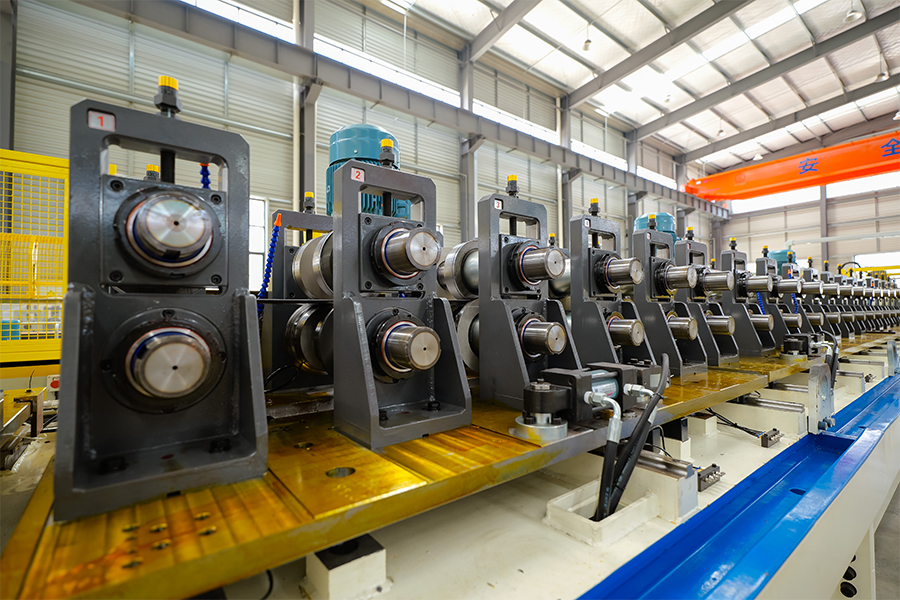 |
Automatic change of width and height for solar PV bracket metal profiles |
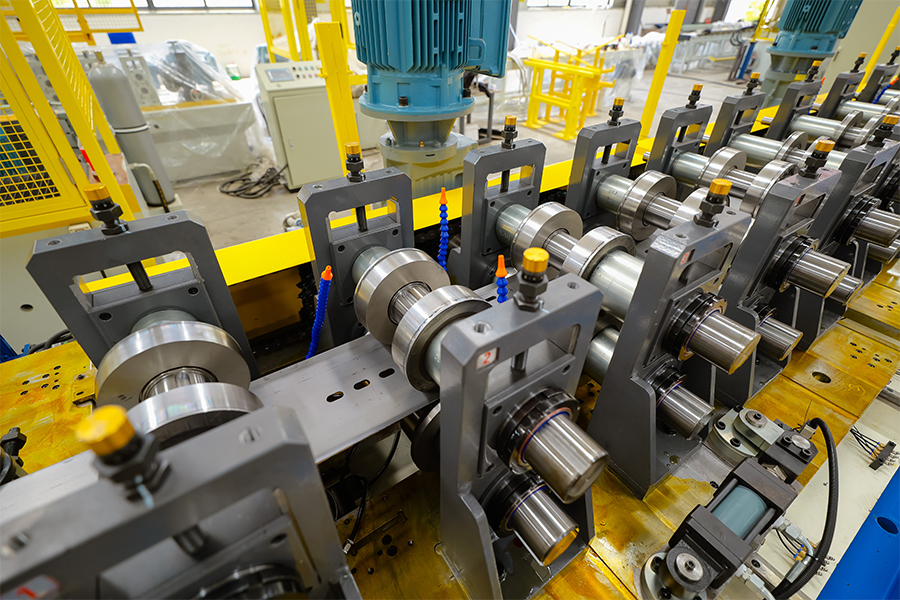 |
Chain drive with ABB or SEW motor and reducer |
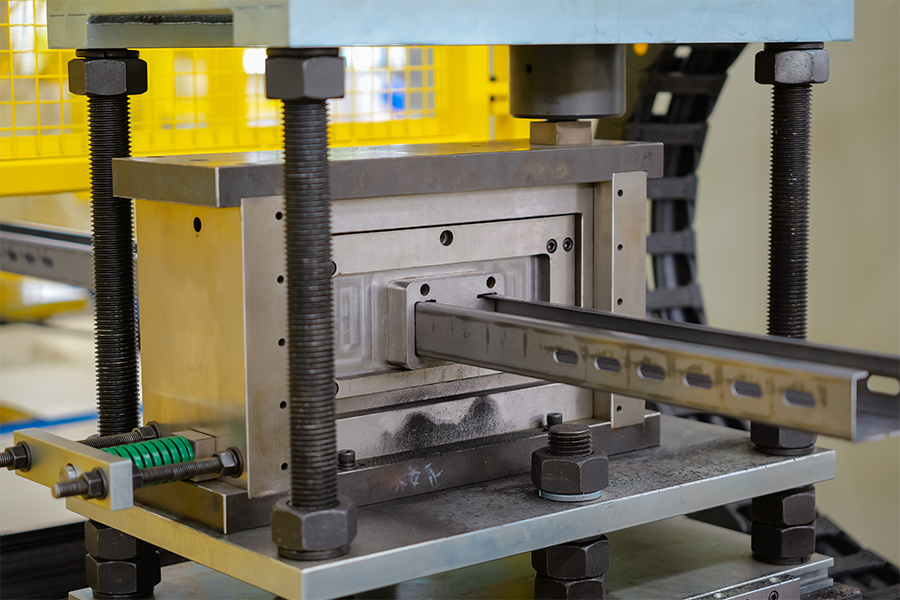 |
Shear-off machine, shearing speed 15–30 m/min |
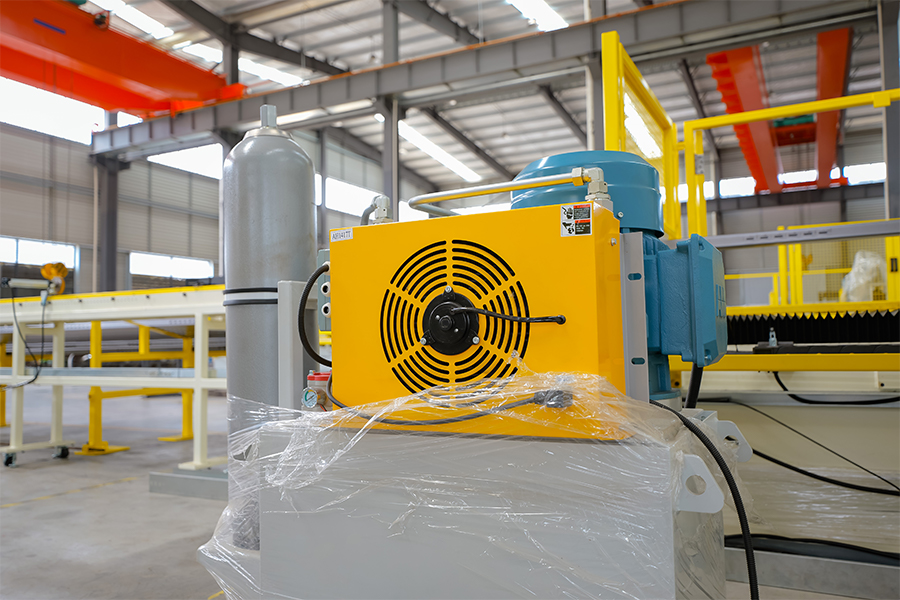 |
Hydraulic station gives power to the cutting table |
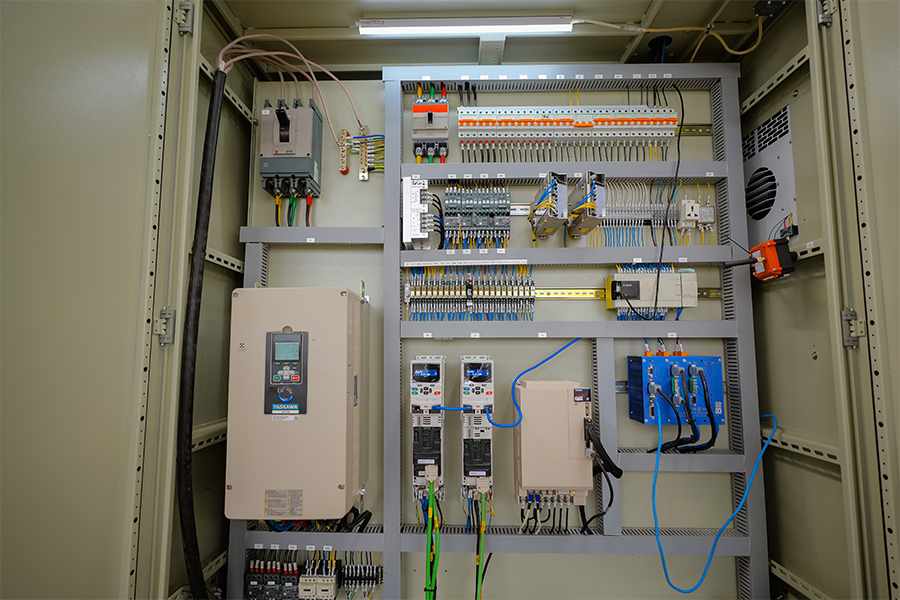 |
International brand electrical components, easy to repair. Italian electronic control system |
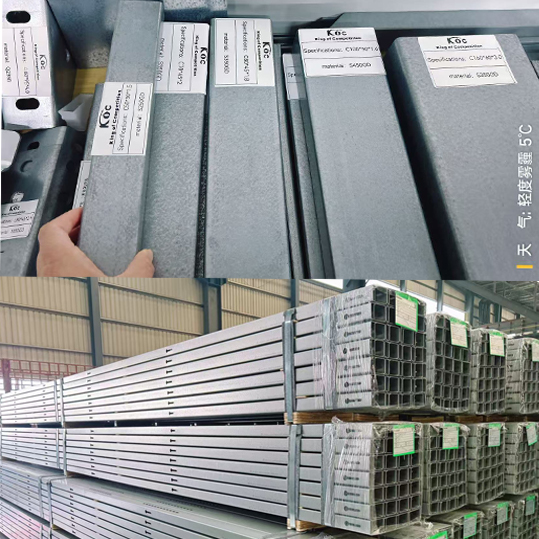 |
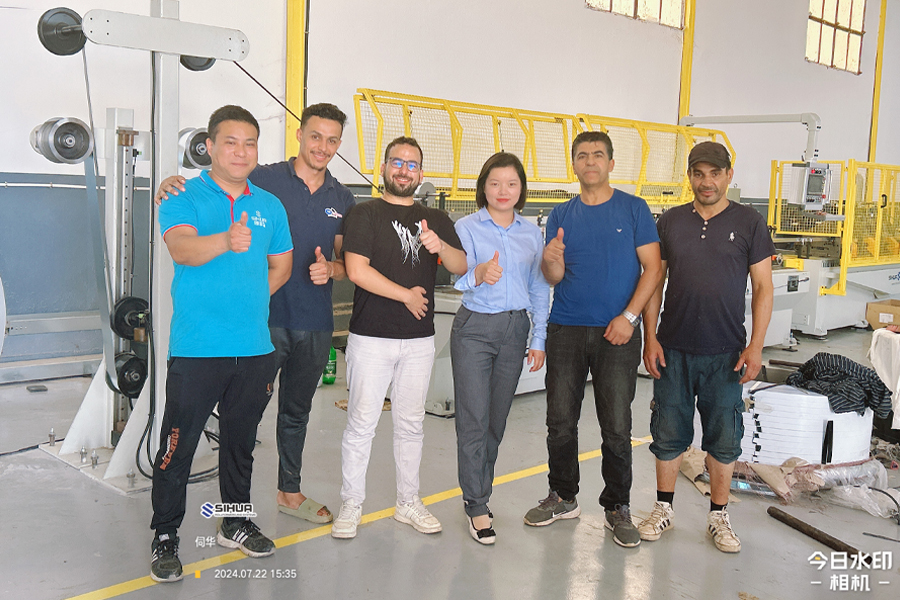
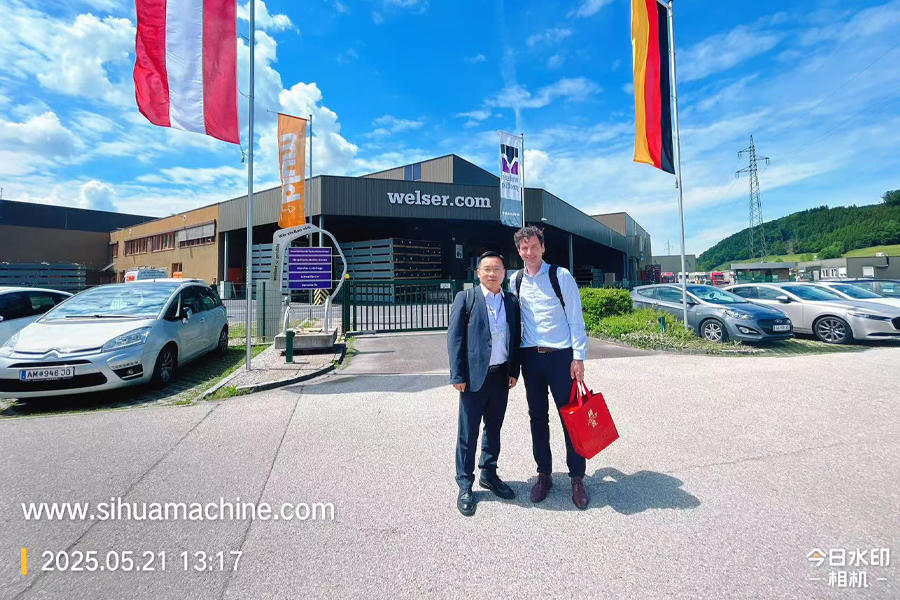
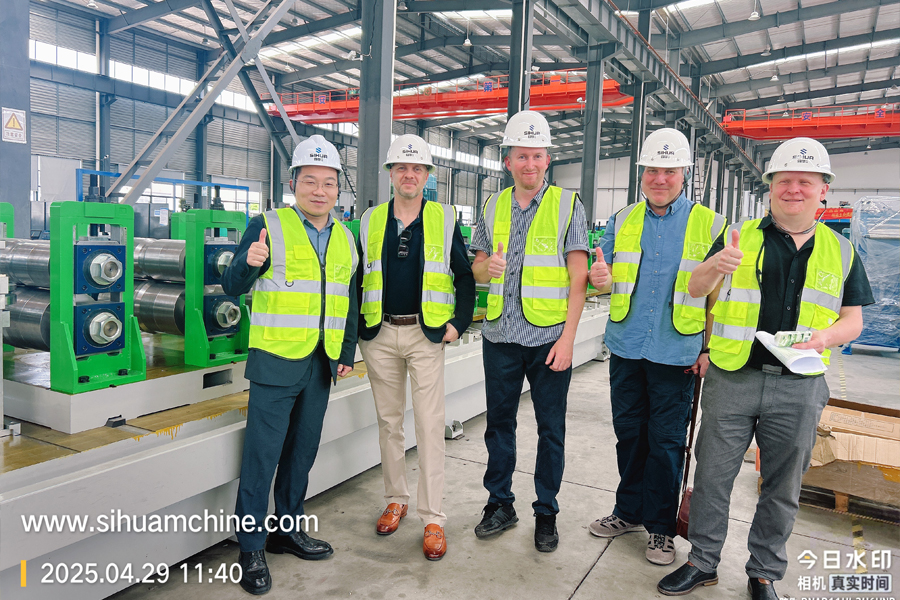
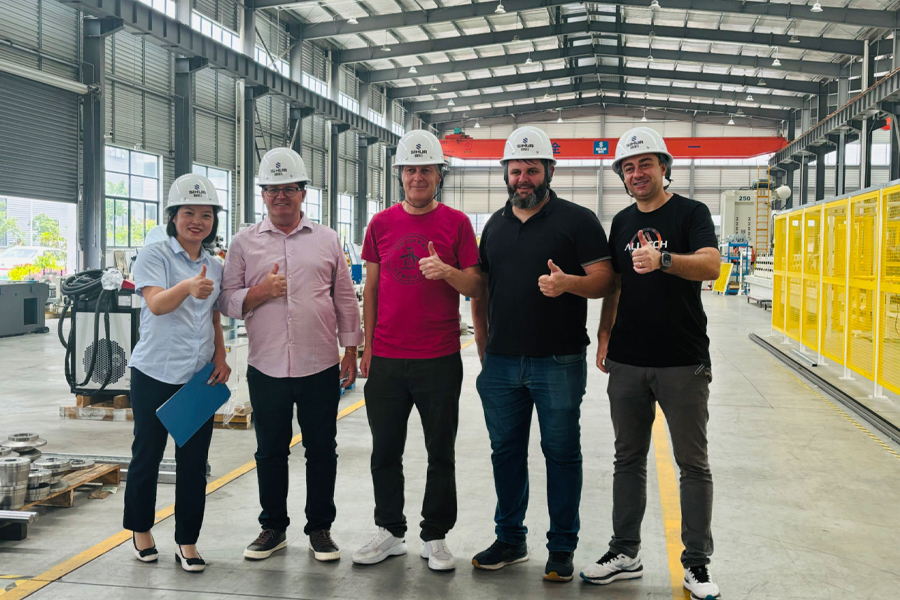
Customer production feedback photos. Sihua Lifetime After-Sales Service |
Service Case Show
Specializing in efficient production, helping to upgrade the global construction industry


Event Name EuroBLECH 2026 (28th International Sheet Metal Working Technology Exhibition) Date 2...
READ MORECeiling T grid systems are one of the most widely used methods for creating suspended ceilings in c...
READ MORESteel fabricators bidding on a continuous-roof project usually reach the same conclusion when they...
READ MORESelecting the correct input material for a Drywall Profile Roll Forming Machine is the single most ...
READ MOREFor decades, scaffolding manufacturing relied heavily on manual labor—cutting, bending, welding, an...
READ MORE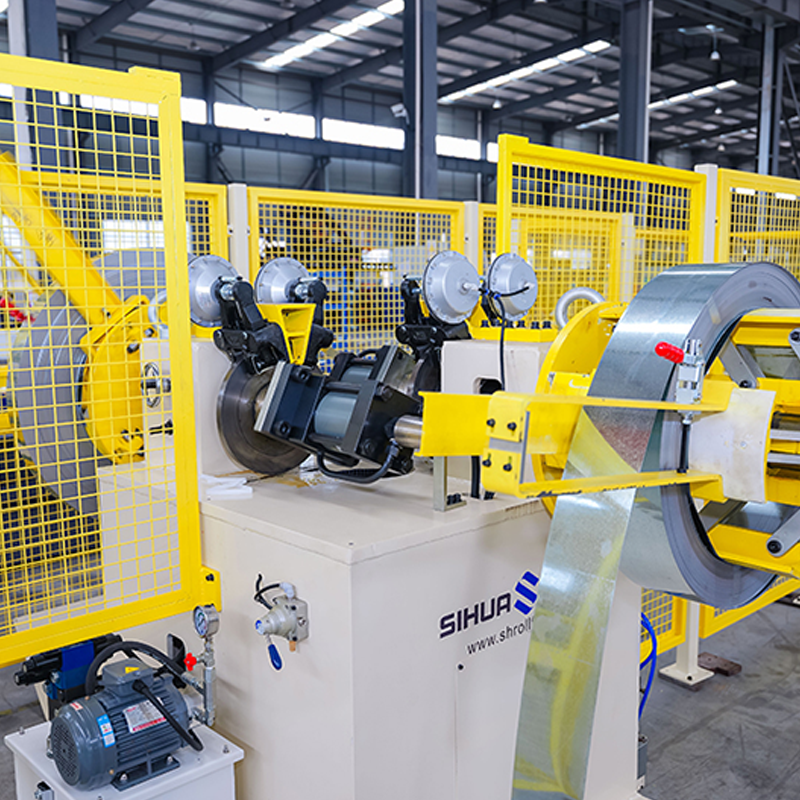
Automatic rotating double-head hydraulic decoiler with no-material detectio...
See Details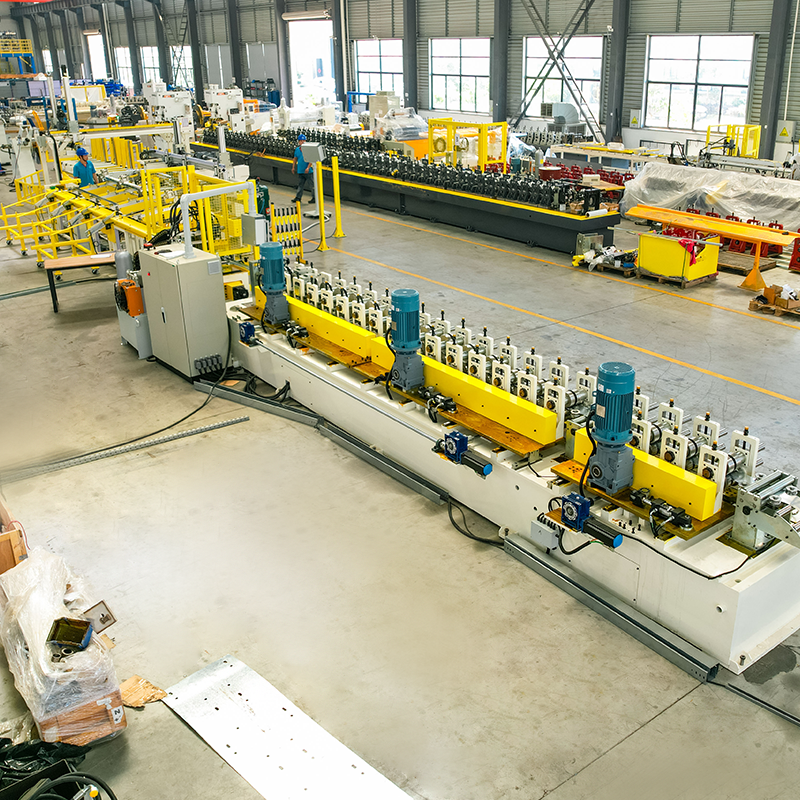
CU automatic width-change roll forming machine, chain drive, automatic pack...
See Details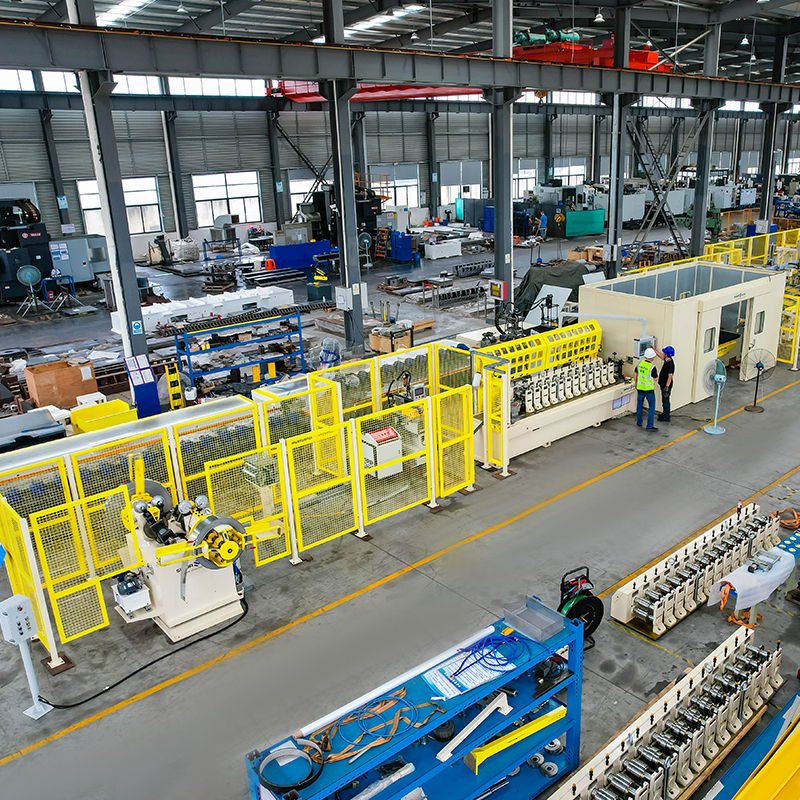
Automatic rotating double-head hydraulic decoiler with no-material detectio...
See Details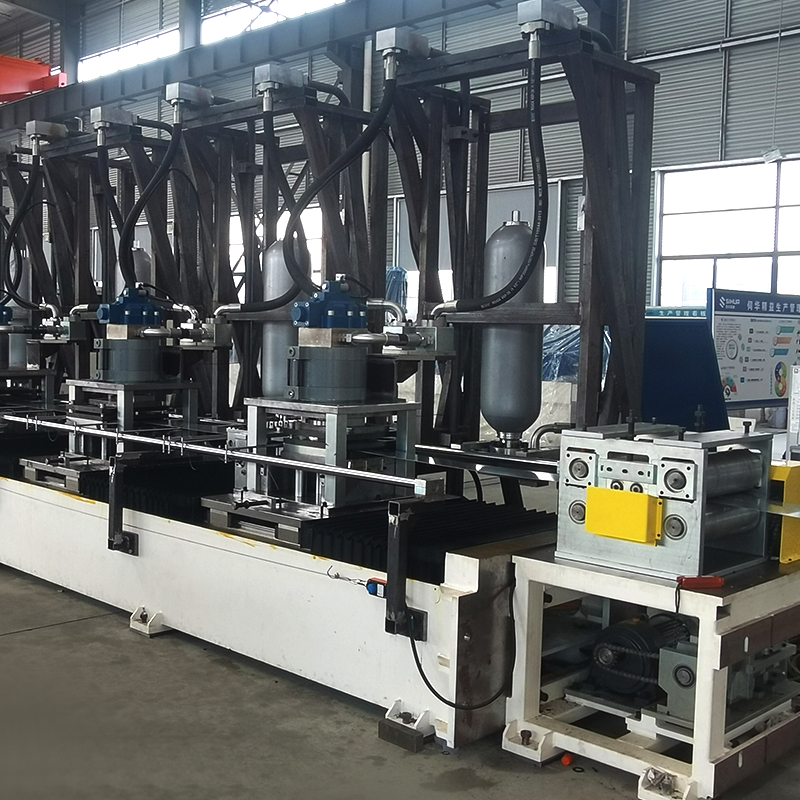
8-Axis servo punching solar PV bracket roll forming machine, flexible adjus...
See Details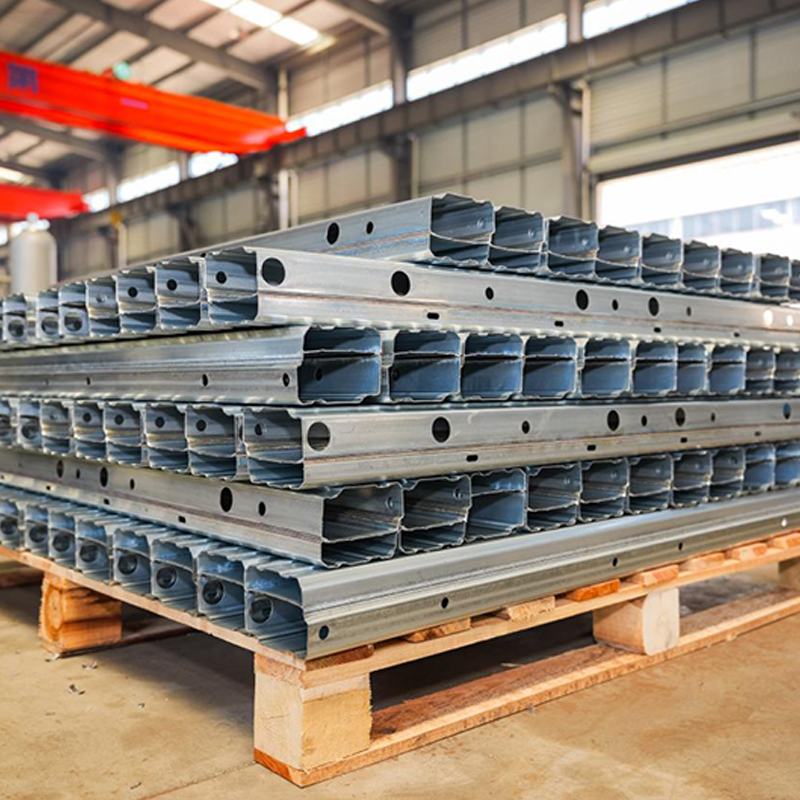
The production line for vehicle B-profile automotive chassis reinforcement...
See Details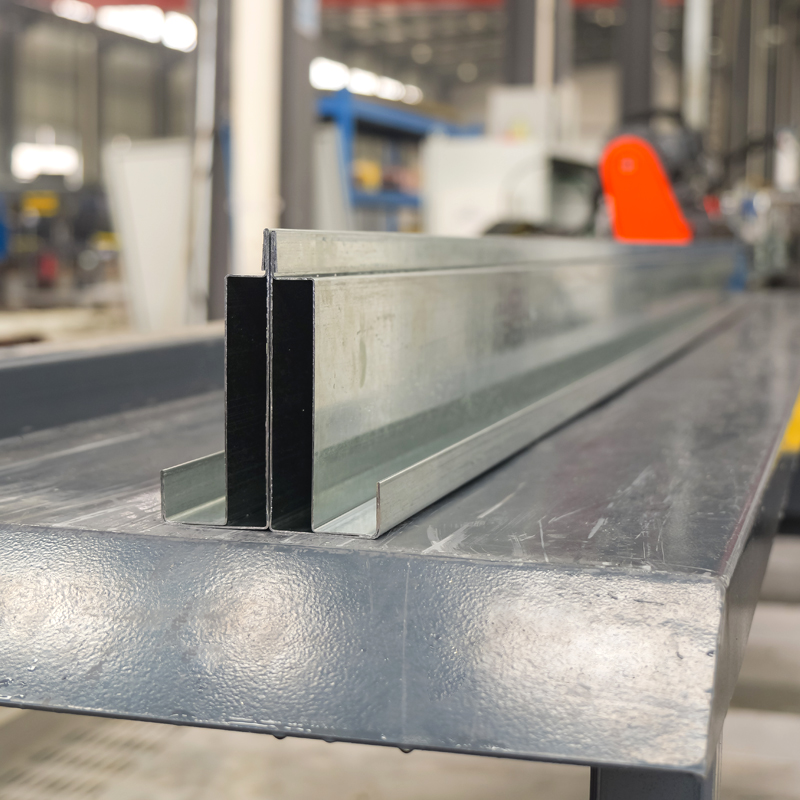
5-ton capacity hydraulic Decoiler with wagon Energy storage Frame beam...
See DetailsAgainst the backdrop of an accelerating global energy transition, the photovoltaic (PV) industry is embracing unprecedented opportunities for growth. The rapid construction of large-scale ground-mounted power stations, distributed PV systems, and industrial rooftop solar projects has driven a continuous surge in demand for solar brackets—essential structural components. Concurrently, project requirements regarding bracket specifications, structural integrity, and production efficiency are constantly becoming more rigorous.
Amidst these industry trends, the "Solar Bracket Auto-Width-Changing Roll Forming Machine" has gradually emerged as a pivotal choice for PV profile manufacturers seeking to upgrade their equipment.
While a solar bracket may appear to be merely a simple steel structural profile, practical applications reveal that different PV projects often necessitate profiles of varying specifications. Ground-mounted power stations, "Agri-PV" (agriculture-integrated solar) projects, and rooftop PV systems each impose distinct requirements regarding bracket width, thickness, and structural strength.
Traditional roll forming lines are typically capable of producing profiles of only a single, fixed specification. Consequently, whenever a change in specifications is required, the process necessitates a manual changeover of rollers and a complete recalibration of the equipment. This not only demands the expertise of highly experienced technicians but also results in significant downtime. For companies managing diverse order specifications and facing tight delivery deadlines, this traditional approach is clearly inadequate to meet the demands of modern PV manufacturing.
The advent of the auto-width-changing roll forming machine has brought about a profound transformation in production paradigms. Utilizing an integrated control system, the machine can automatically adjust the positioning of the forming rollers, thereby enabling the production of solar bracket profiles of varying widths on a single, continuous production line. This inherent manufacturing flexibility empowers companies to handle diversified orders with greater agility and confidence, while simultaneously boosting equipment utilization rates significantly.
At the core of the auto-width-changing roll forming machine lies a highly integrated mechanical structure coupled with an intelligent control system. The machine employs a combination of servo drives and precision guide rail systems to execute the automatic adjustment of roller positions. When a change in production specifications is required, an operator simply inputs the corresponding parameters into the control system, and the machine automatically executes the entire width-adjustment process.
This adjustment process is typically completed within a very short timeframe, thereby drastically reducing the downtime traditionally associated with model changeovers on conventional production lines. For PV bracket manufacturers that frequently need to switch between different product specifications, the efficiency gains delivered by this technology are both substantial and immediately apparent.
Furthermore, modern solar bracket production lines are typically integrated with high-speed flying shear systems to further optimize the manufacturing workflow. This technology enables precise cutting while the profile remains in continuous motion, eliminating the need to halt the entire production line. Compared to traditional stop-and-shear methods, high-speed flying shears not only accelerate production cycles but also ensure superior cut neatness and dimensional accuracy.
When automatic width-adjustment technology is integrated with a high-speed flying shear system, the entire production line achieves a stable, high-speed, and flexible mode of continuous operation.
In the construction of photovoltaic (PV) power plants, mounting systems must withstand—over the long term—structural stresses resulting from wind loads, snow loads, and temperature fluctuations. Consequently, the dimensional accuracy and structural stability of the profiles used are of paramount importance.
Roll forming technology shapes metal sheets gradually through a series of roller passes, endowing the material with stable structural properties during the continuous forming process. However, if the equipment lacks sufficient precision, issues such as profile twisting, hole position deviations, or dimensional inconsistencies may arise.
Therefore, high-end roll forming lines for solar mounting systems typically feature high-rigidity machine frames and precision-machined rollers to ensure stability during long-term production runs. Furthermore, advanced control systems can monitor production parameters in real-time, thereby further enhancing the consistency of the finished profiles.
For manufacturers of PV profiles, selecting the right equipment supplier is just as critical. A high-quality automatic variable-width roll forming machine relies not only on advanced design but also on robust R&D capabilities and extensive industry experience.
Shanghai Sihua Precision Machinery Co., Ltd. is precisely such an enterprise—one with deep technical expertise in the field of roll forming. SIHUA has long focused on the R&D and manufacturing of automatic, high-speed, flying-shear roll forming equipment, providing high-efficiency and high-precision production solutions to clients worldwide.
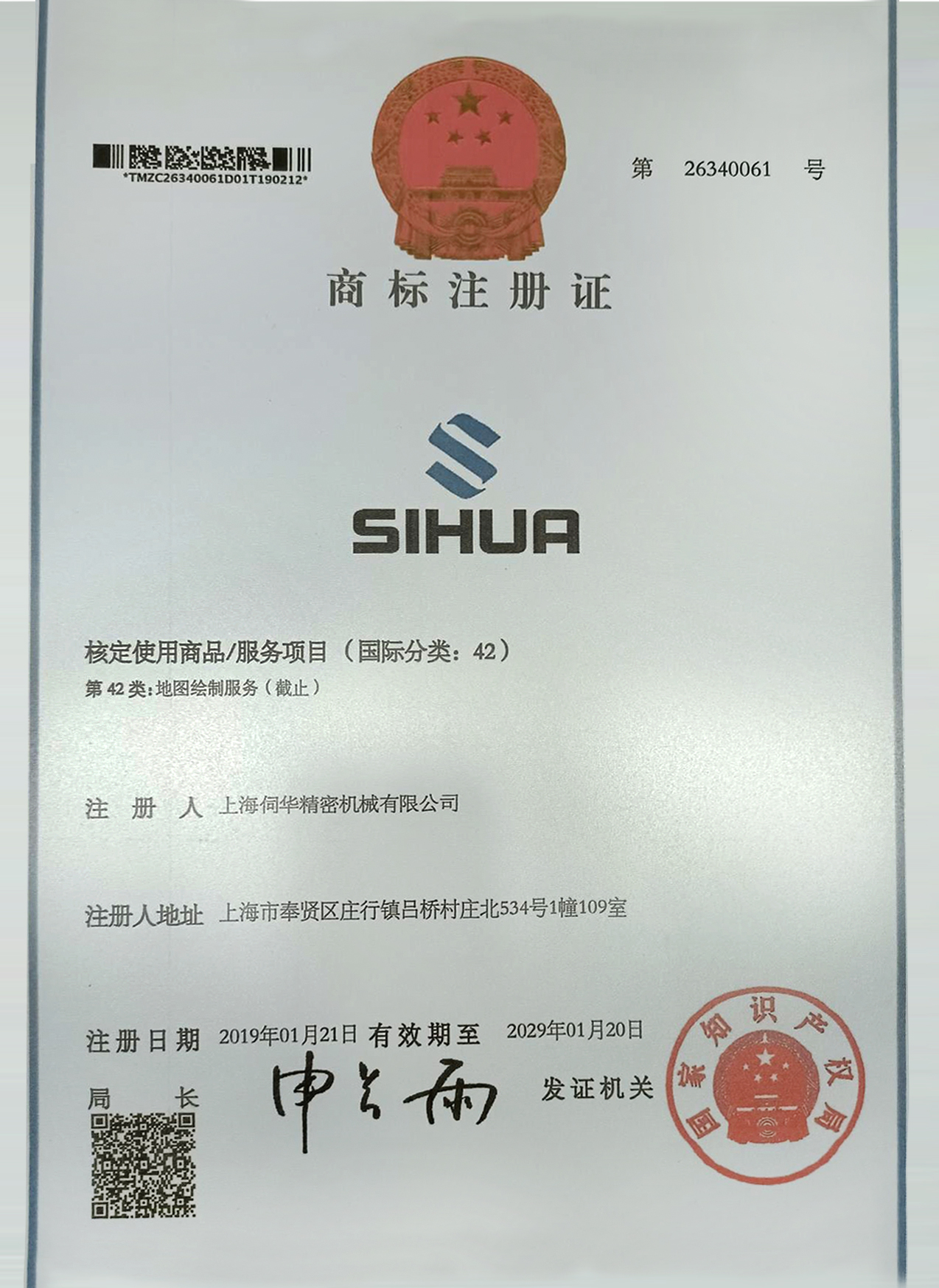
Leveraging the expertise of its high-caliber technical team based at its Shanghai headquarters, SIHUA continues to drive innovation in roll forming technology. The company currently holds 42 utility model patents and 11 invention patents, giving it a significant advantage in the field of precision manufacturing and automation equipment.
This technological accumulation enables SIHUA to provide photovoltaic structural component manufacturers with more stable, efficient, and intelligent automated variable-width roll forming production lines.
As the photovoltaic industry continues to expand, manufacturing companies are constantly improving their automation levels. From automatic specification-changing production to high-speed flying shear cutting and automated packaging systems, more and more production processes are becoming intelligent.
Automated variable-width roll forming machines are one of the key pieces of equipment in this trend. They not only improve production efficiency but also help companies reduce manual operations and improve product consistency. In the future, as the scale of photovoltaic power plant construction further expands, this type of equipment will play an increasingly important role in the global market.
For photovoltaic profile manufacturers looking to enhance their competitiveness, introducing advanced automated roll forming production lines has become an important step towards achieving large-scale and high-efficiency production.
| What types of profiles can the automatic variable-width roll forming machine for solar brackets produce? | This equipment is mainly used to produce various photovoltaic support structural profiles, such as C-shaped steel, U-shaped steel, and Strut Channel, and its width specifications can be adjusted according to project requirements. |
| How much production time can the automatic width adjustment function save? | Compared to traditional roller changing methods, automatic width adjustment can typically reduce changeover time from several hours to just a few minutes, significantly improving production efficiency. |
| Is the automatic width adjustment equipment suitable for large-scale production? | Very suitable. Combined with a high-speed flying shear system and continuous production mode, this equipment can achieve stable high-capacity output. |
| What are the advantages of Shanghai Sihua's equipment? | SIHUA boasts a strong R&D team and extensive experience in roll forming, and holds numerous patented technologies. Its equipment is renowned for its high precision, high stability, and high level of automation, and is widely used in the manufacturing of architectural profiles, photovoltaic structural components, and industrial metal profiles. |
Don't hesitate to contact when you need us!
Contact Information
PRODUCTS
Mobile


 English
 Español
 русский