If you are interested in this product, click here to send an inquiry to Sihua.
 |
|
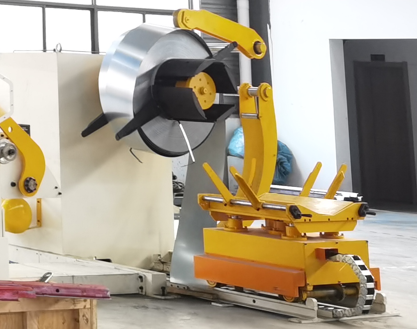 |
2-in-1 decoiler leveler machine |
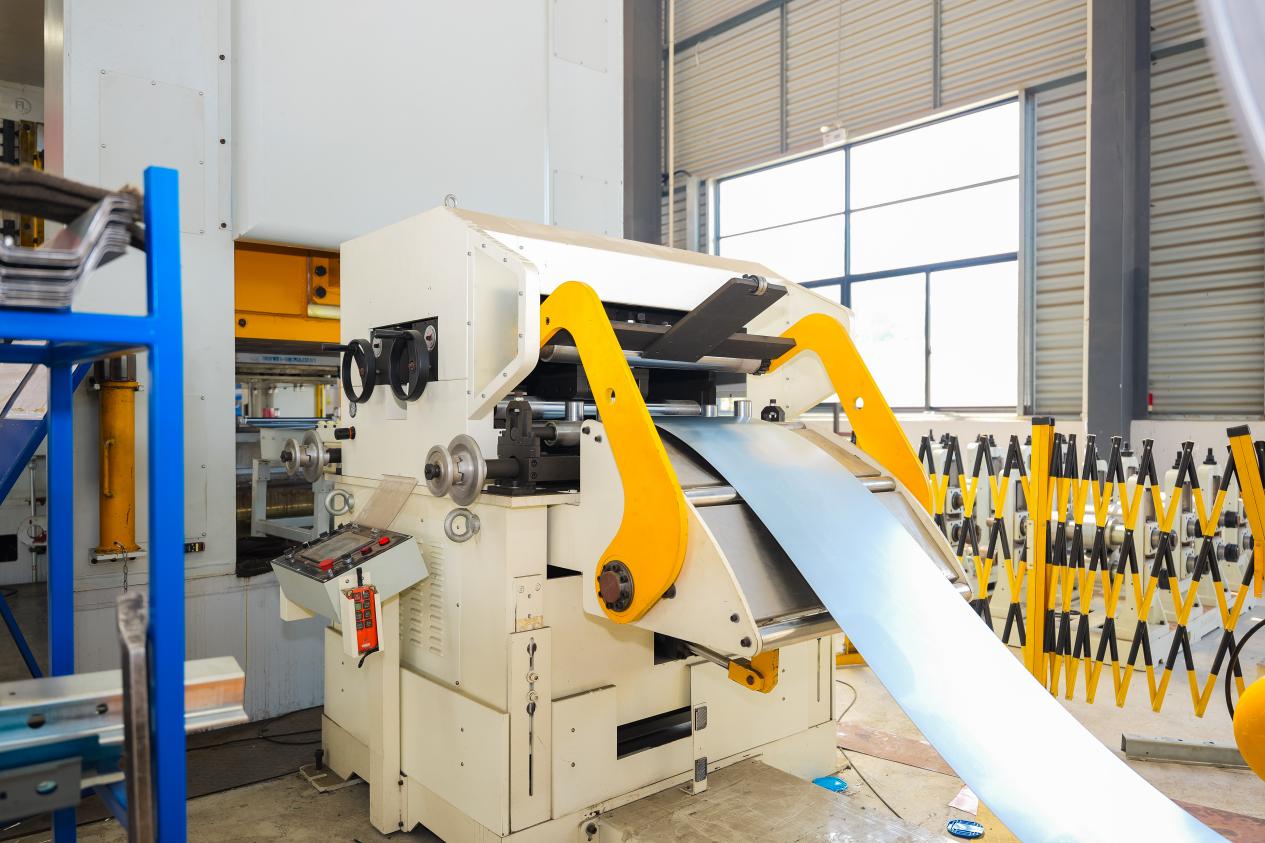 |
Feeding material to the press machine to punch holes. |
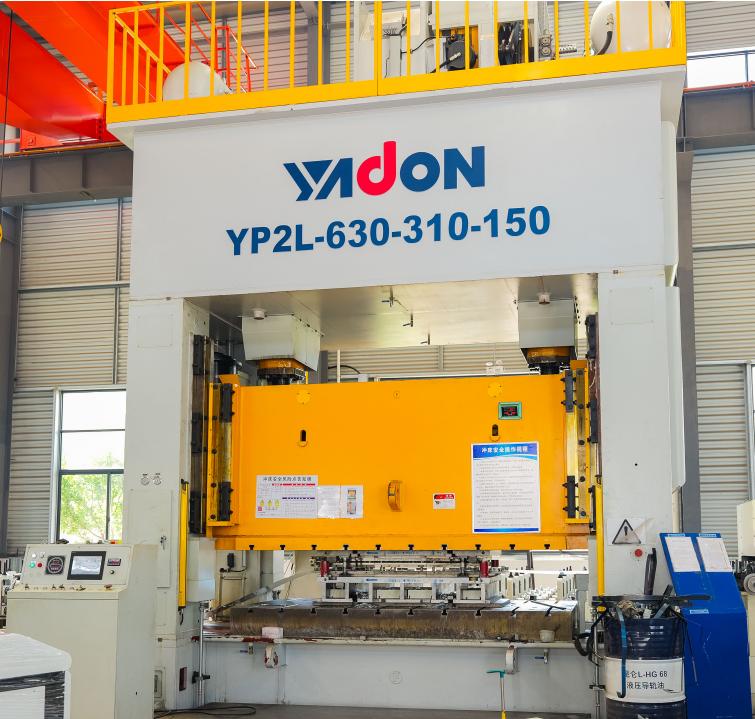 |
600-ton press machine It provides enough pressure to punch holes in this profile. |
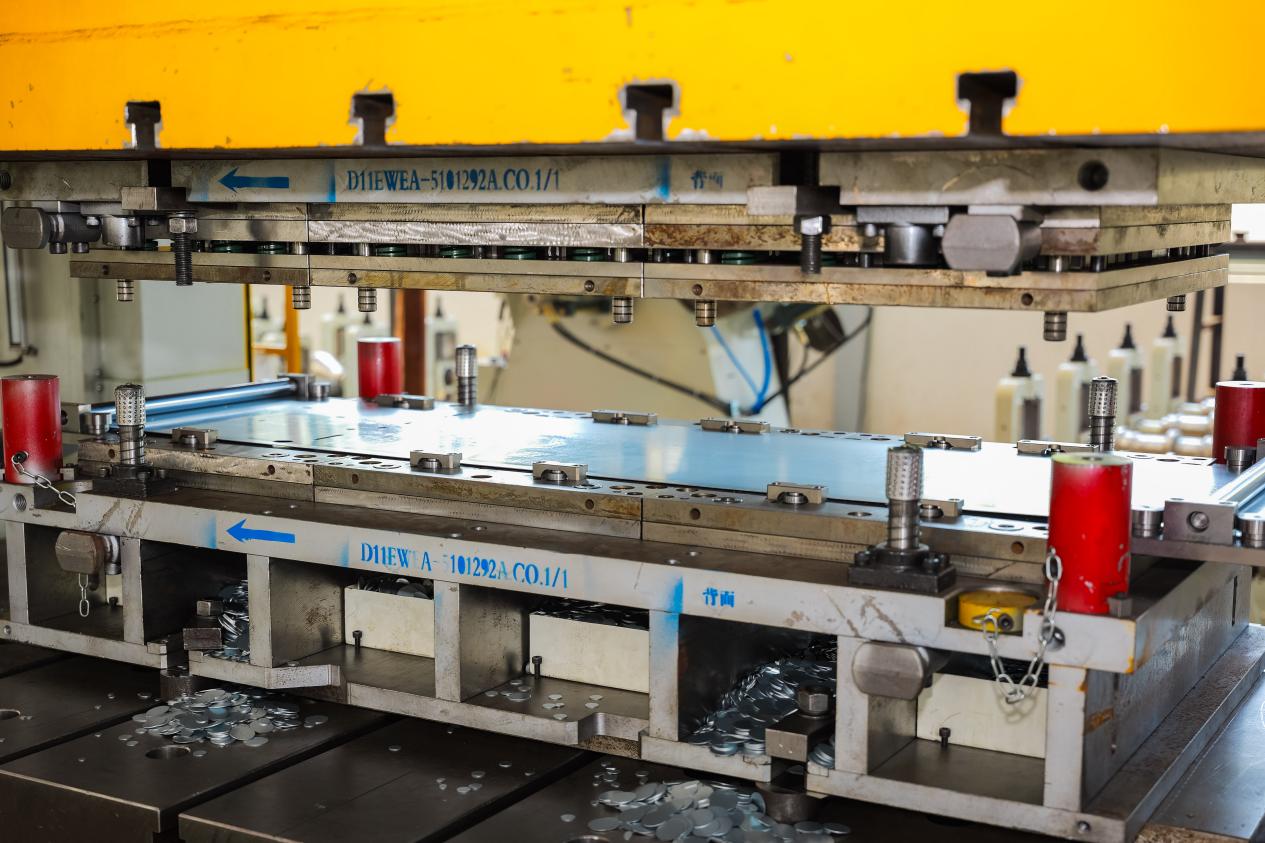 |
precision punching die Precision punching die refers to a high-accuracy tool used in metal stamping processes to punch, blank, or pierce materials with tight tolerances and fine surface finishes. Key Features: High Accuracy – Maintains tight tolerances (often within ±0.01mm or better). Fine Edge Quality – Produces clean cuts with minimal burrs. Durability – Made from hardened tool steel (e.g., SKD11, DC53) or carbide for long service life. Complex Shapes – Capable of punching intricate geometries with high repeatability. Optimized Clearance – Proper punch-die clearance ensures smooth material separation.
|
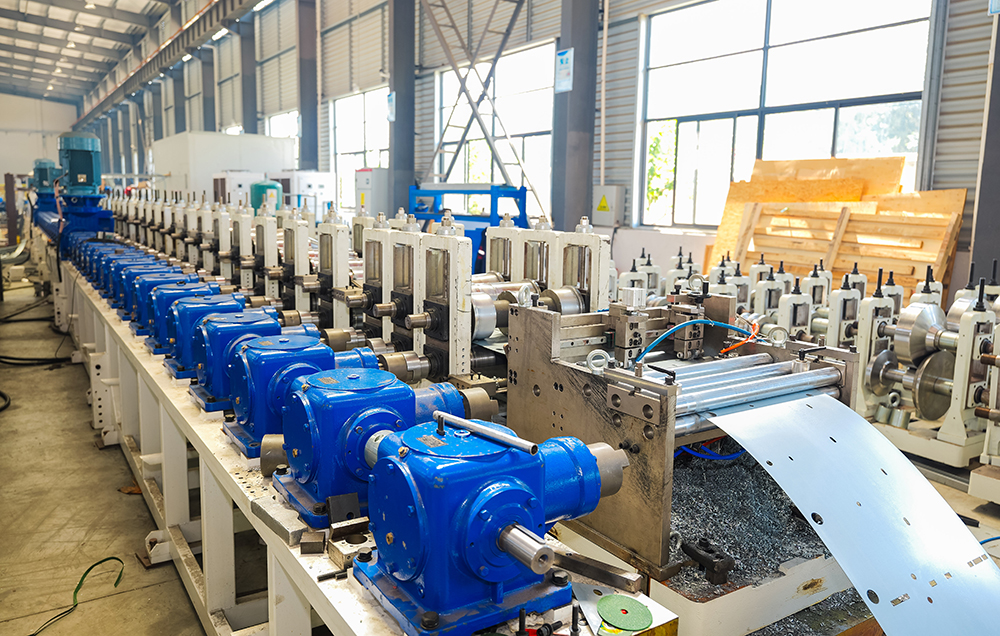 |
High-strength profile roll forming machine Forming material YS 980MPA -1180MPA (980/1180DP D+Z) |
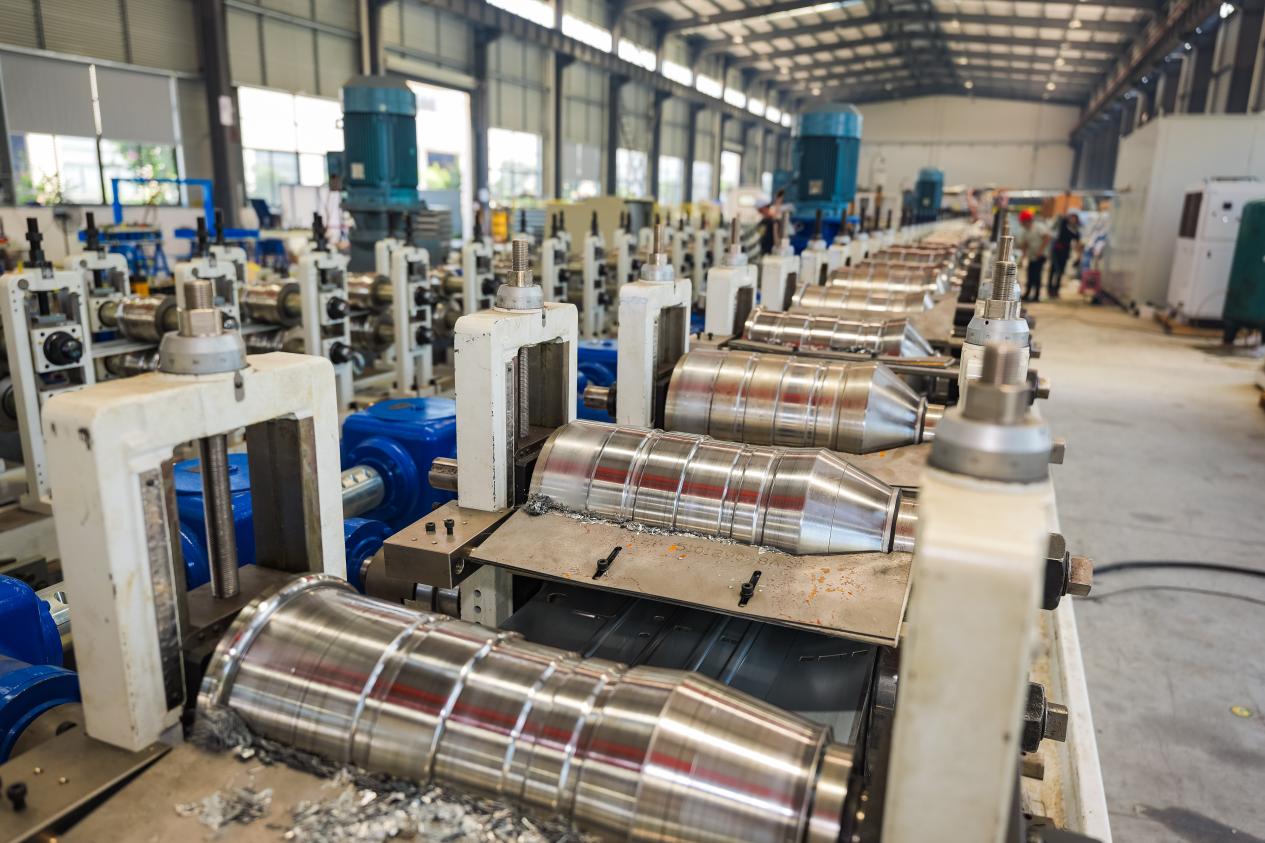 |
Forming steps: 50 Roll Forming Process Steps Roller material: Cr12MoV (SKD11/D2), vacuum heat treatment, 60–62 HRC |
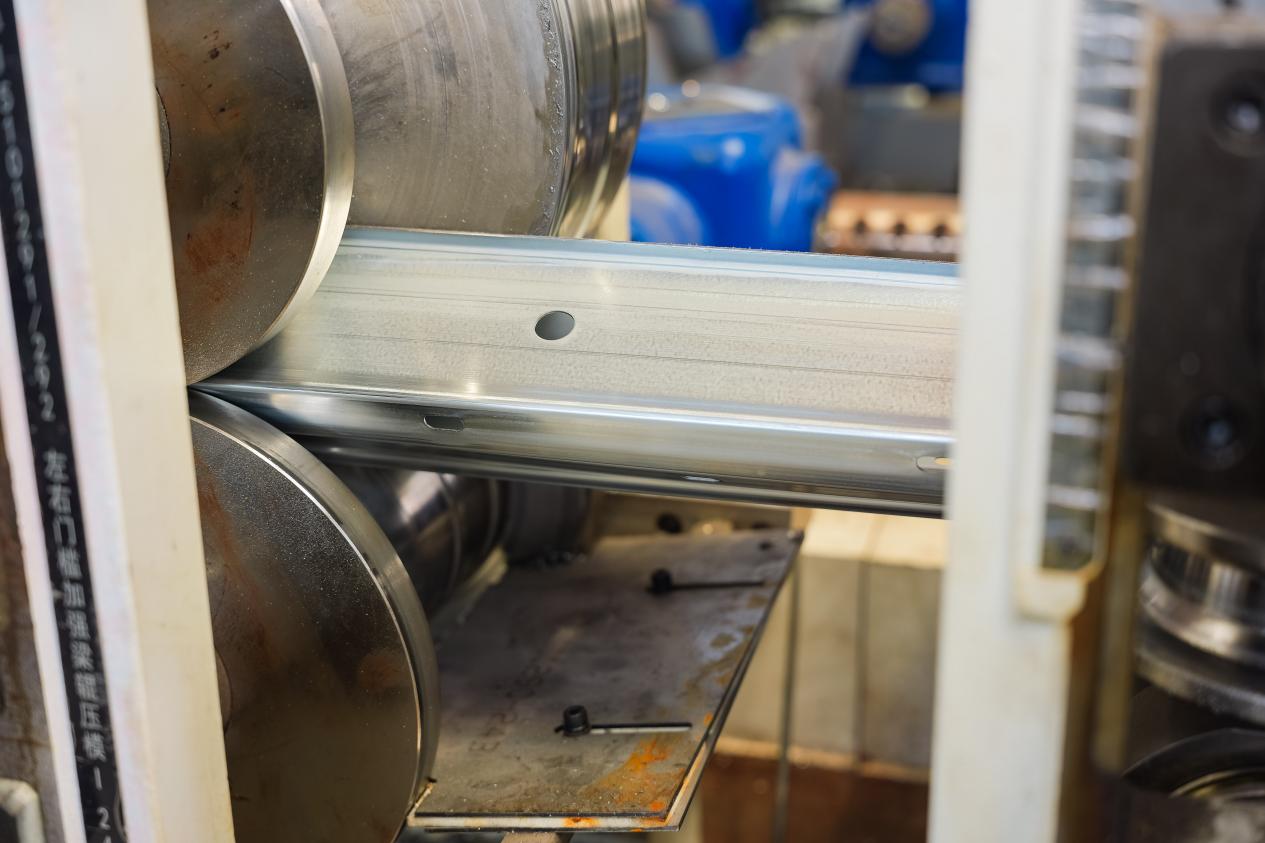 |
Roll forming is a continuous bending process where a long strip of metal (typically coiled steel, aluminum, or other alloys) is passed through a series of roller dies to progressively shape it into a desired cross-section. Here’s a step-by-step breakdown:
|
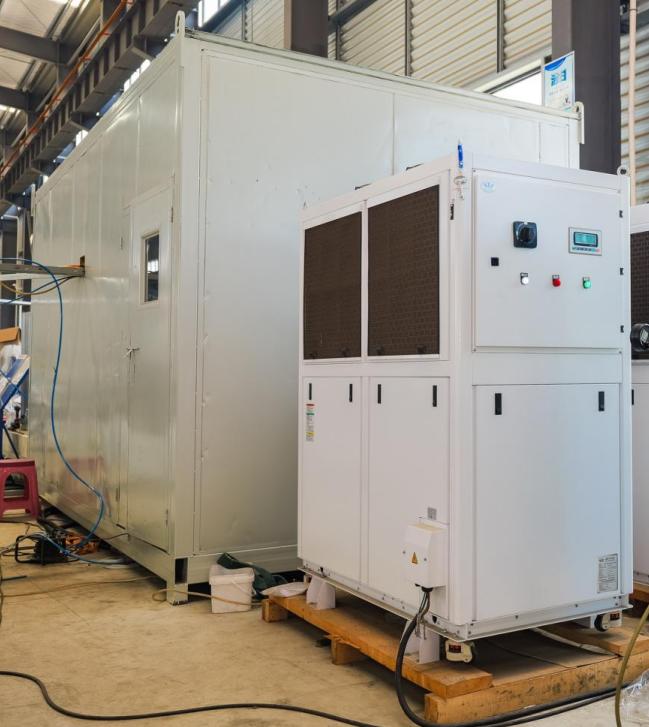 |
2 sets of German TRUMPF laser welding machines |
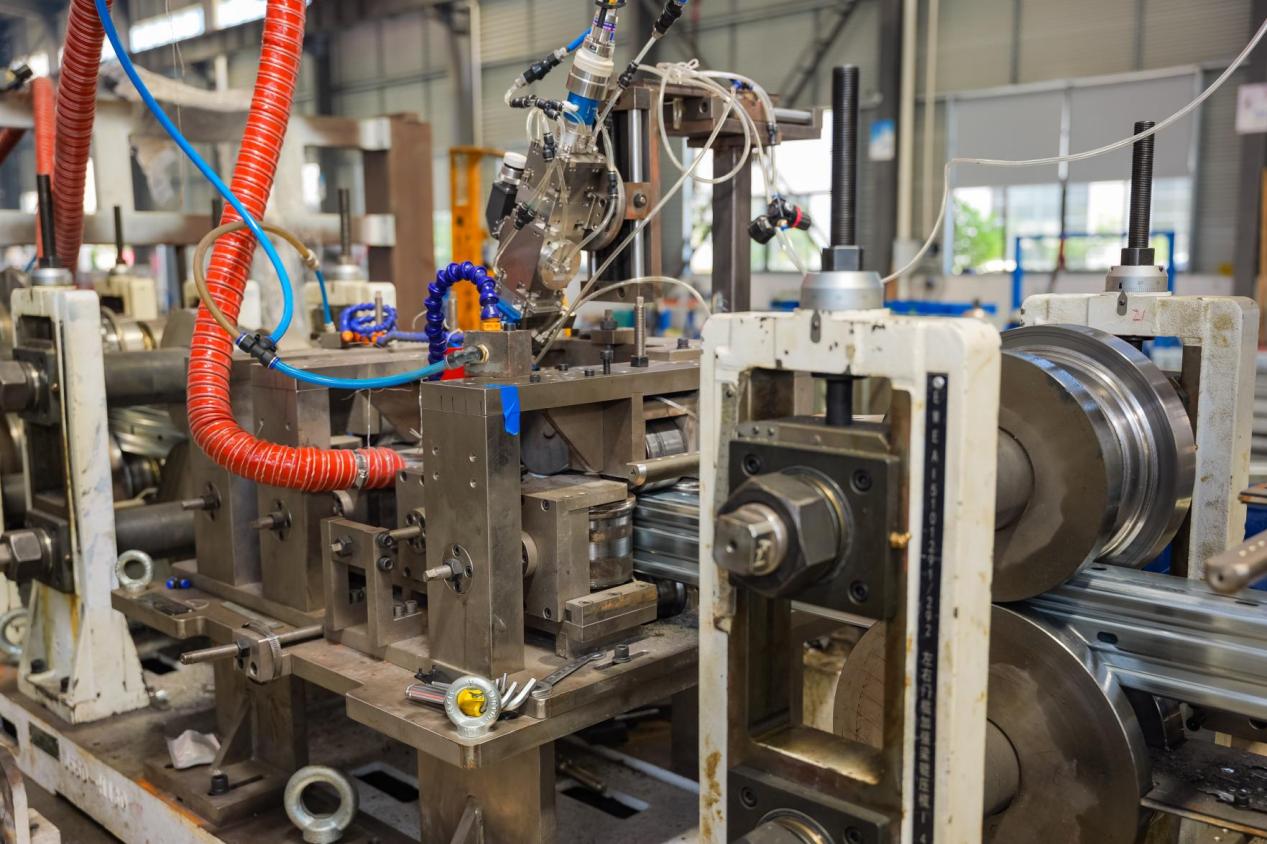 |
TRUMPF is amanufacturer of industrial machinery and equipment, including laser welding machines. Their laser welding machines are known for their high quality, precision, and reliability, and are widely used in various industries, including automotive manufacturing. |
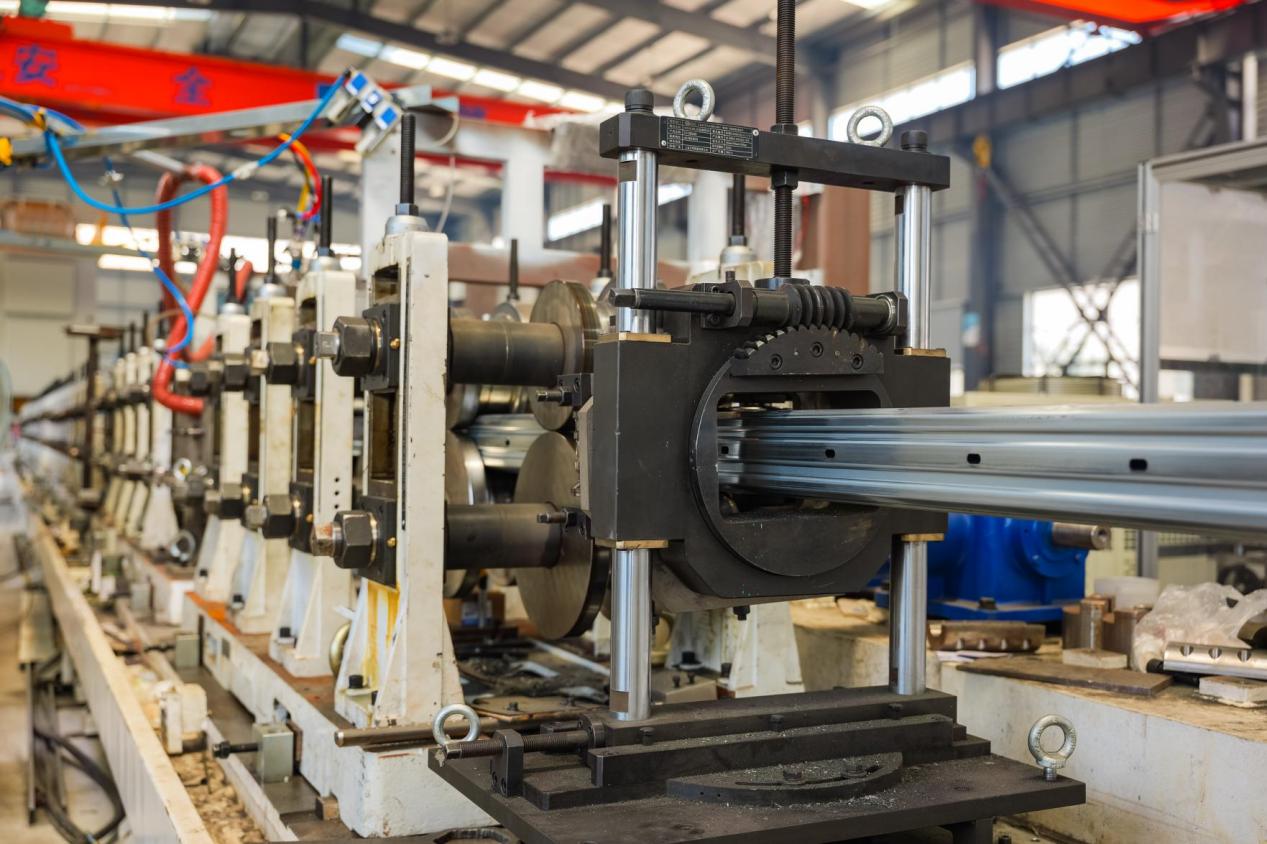 |
Straightening seat to ensure the profile is straight. |
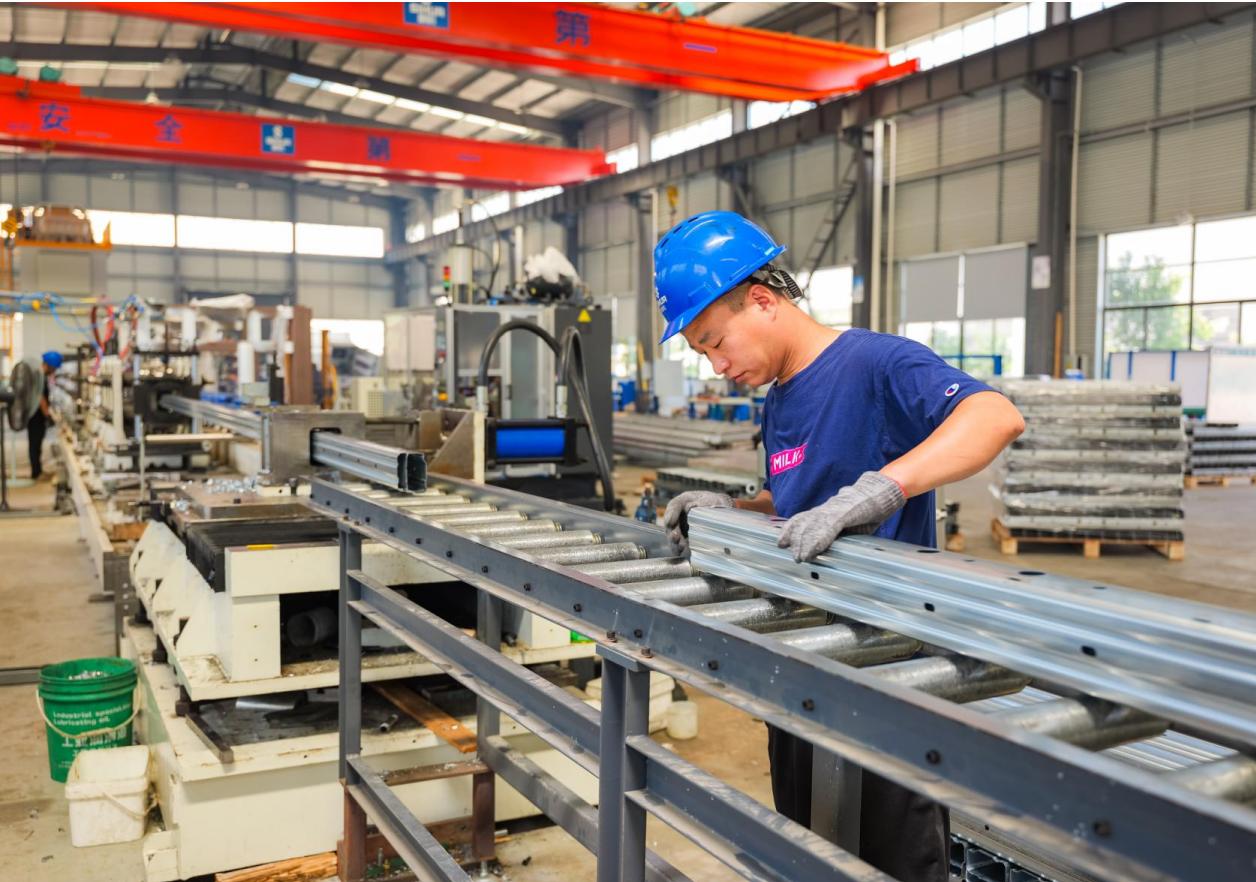 |
Shear cut-off machine Our shear controller is imported from Italy. High-precision positional cut-off. The length tolerance of the finished profile is 1 mm per piece. |
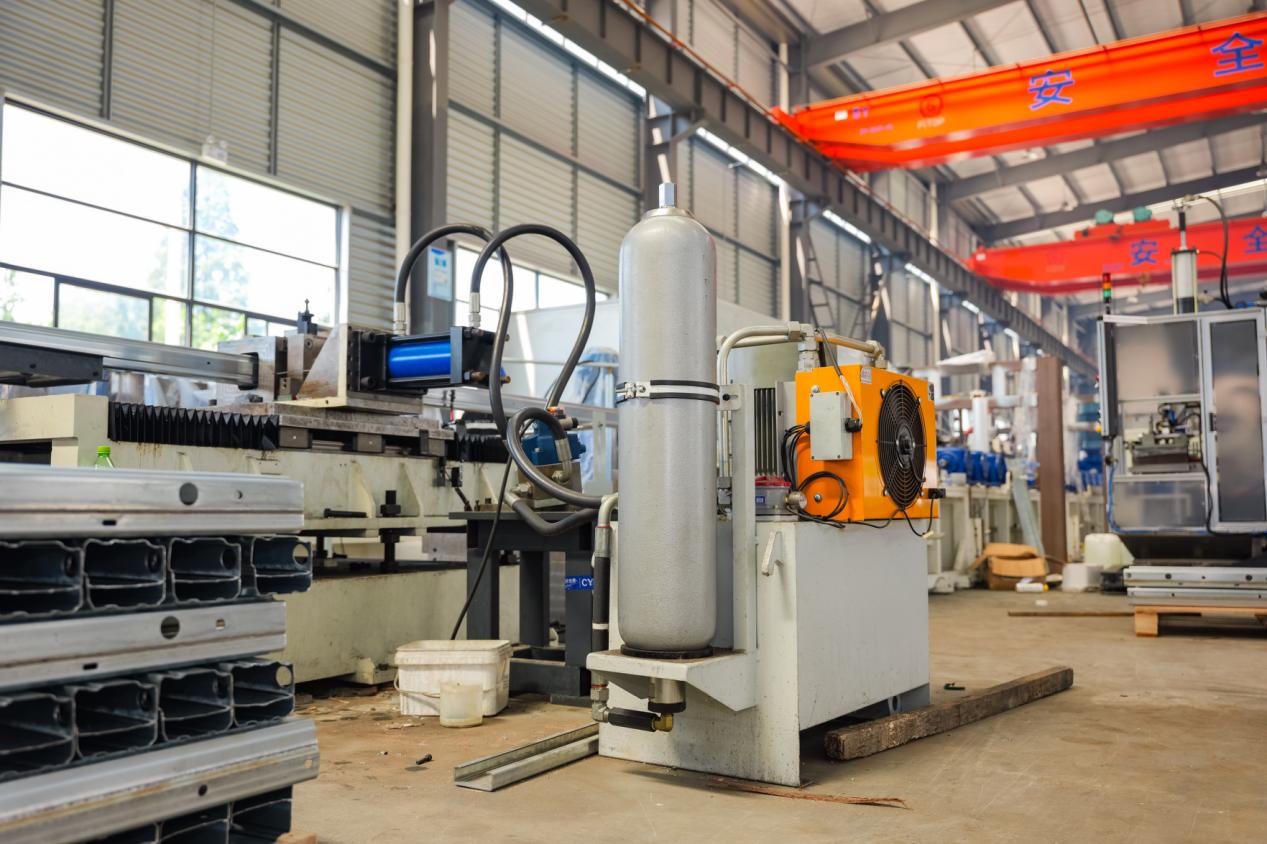 |
Hydraulic station gives power to the cutting table (fan-type heatsink). |
Service Case Show
Specializing in efficient production, helping to upgrade the global construction industry

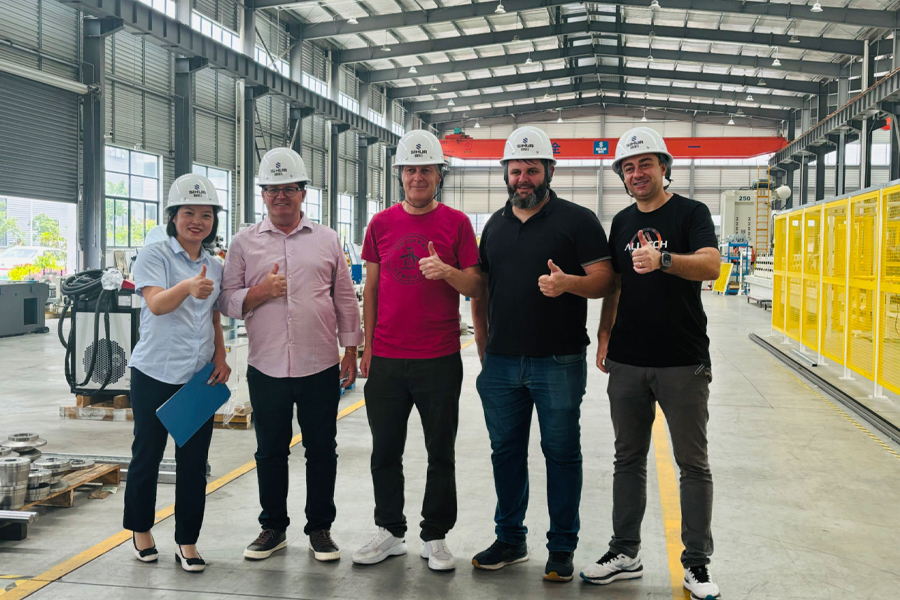
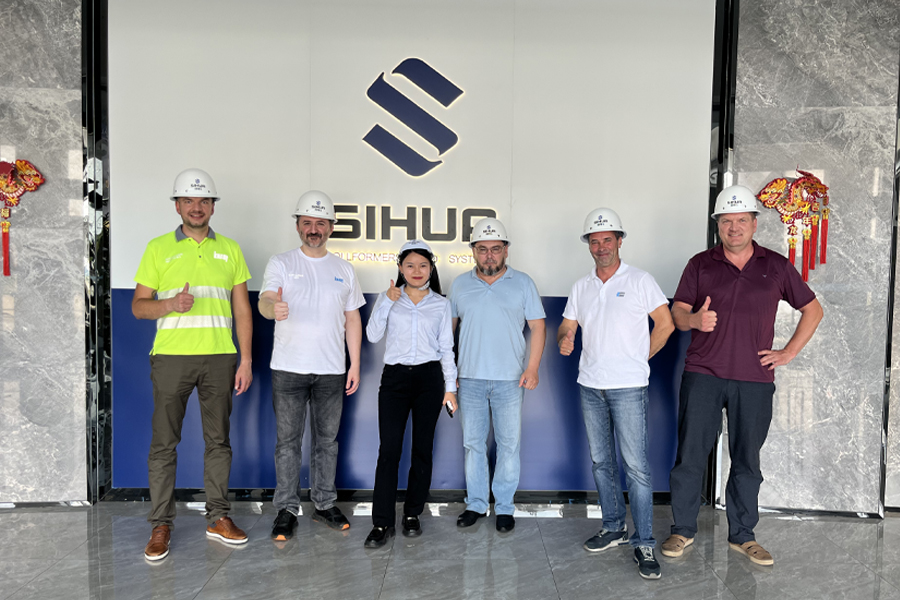





Event Name EuroBLECH 2026 (28th International Sheet Metal Working Technology Exhibition) Date 2...
READ MORECeiling T grid systems are one of the most widely used methods for creating suspended ceilings in c...
READ MORESteel fabricators bidding on a continuous-roof project usually reach the same conclusion when they...
READ MORESelecting the correct input material for a Drywall Profile Roll Forming Machine is the single most ...
READ MOREFor decades, scaffolding manufacturing relied heavily on manual labor—cutting, bending, welding, an...
READ MORE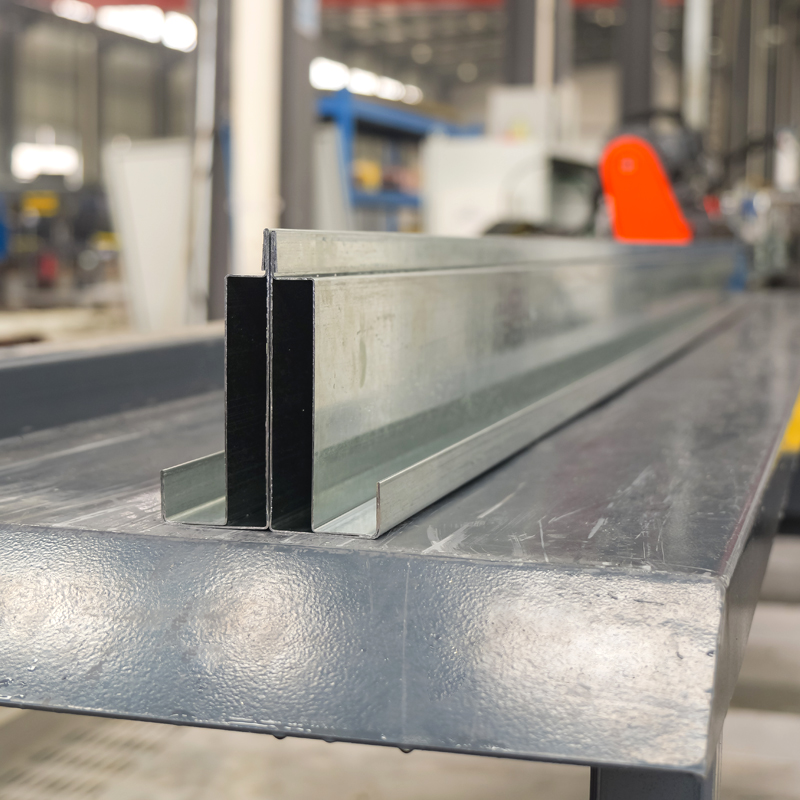
5-ton capacity hydraulic Decoiler with wagon Energy storage Frame beam...
See Details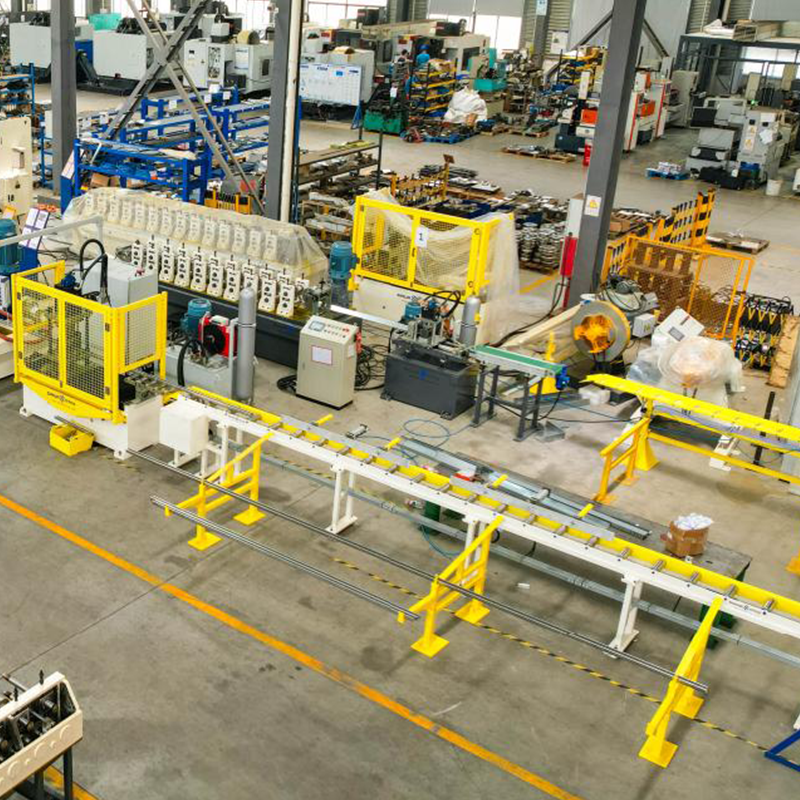
SS304 unistruct profile cassette roll forming machine Leveling machine...
See Details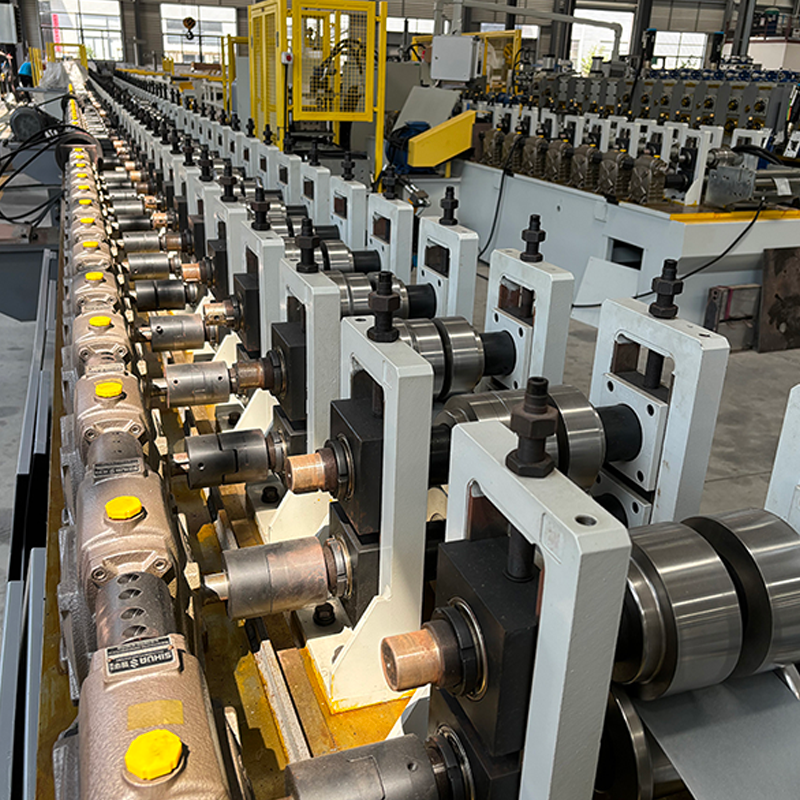
PV frame window door profile roll forming machine Worm gear reducers wit...
See Details
UT FUT UDT ceiling T-grid bar roll forming machine main and cross layout ...
See Details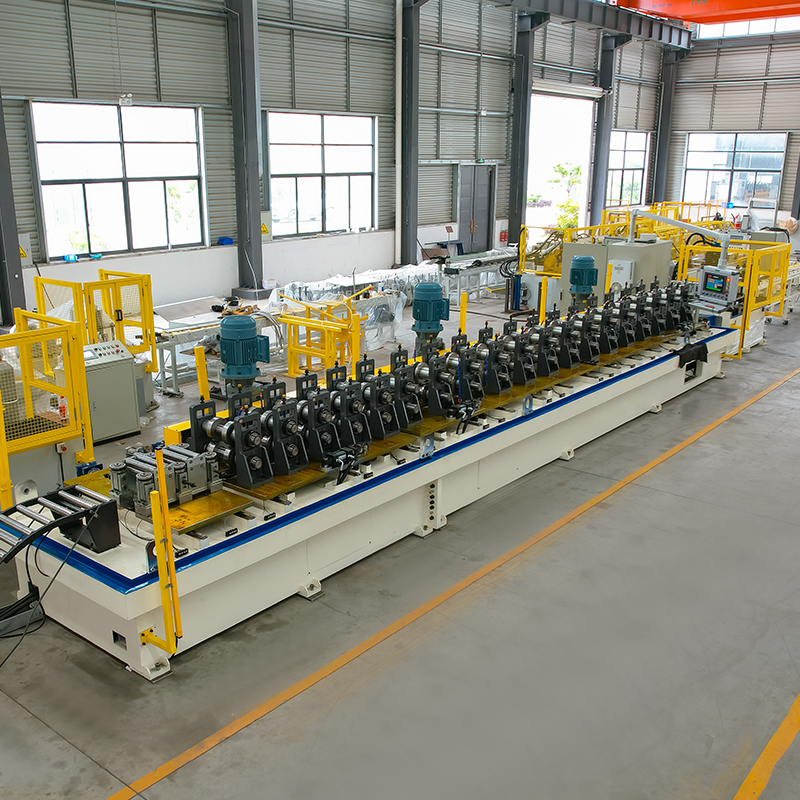
Solar bracket auto change width roll forming machine Material decoiler...
See Details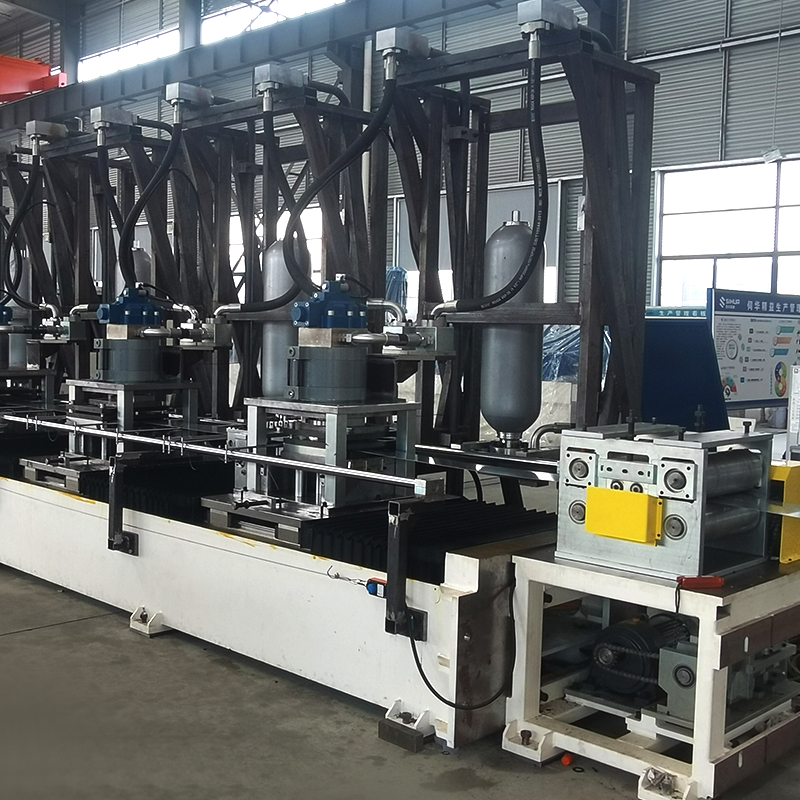
8-Axis servo punching solar PV bracket roll forming machine, flexible adjus...
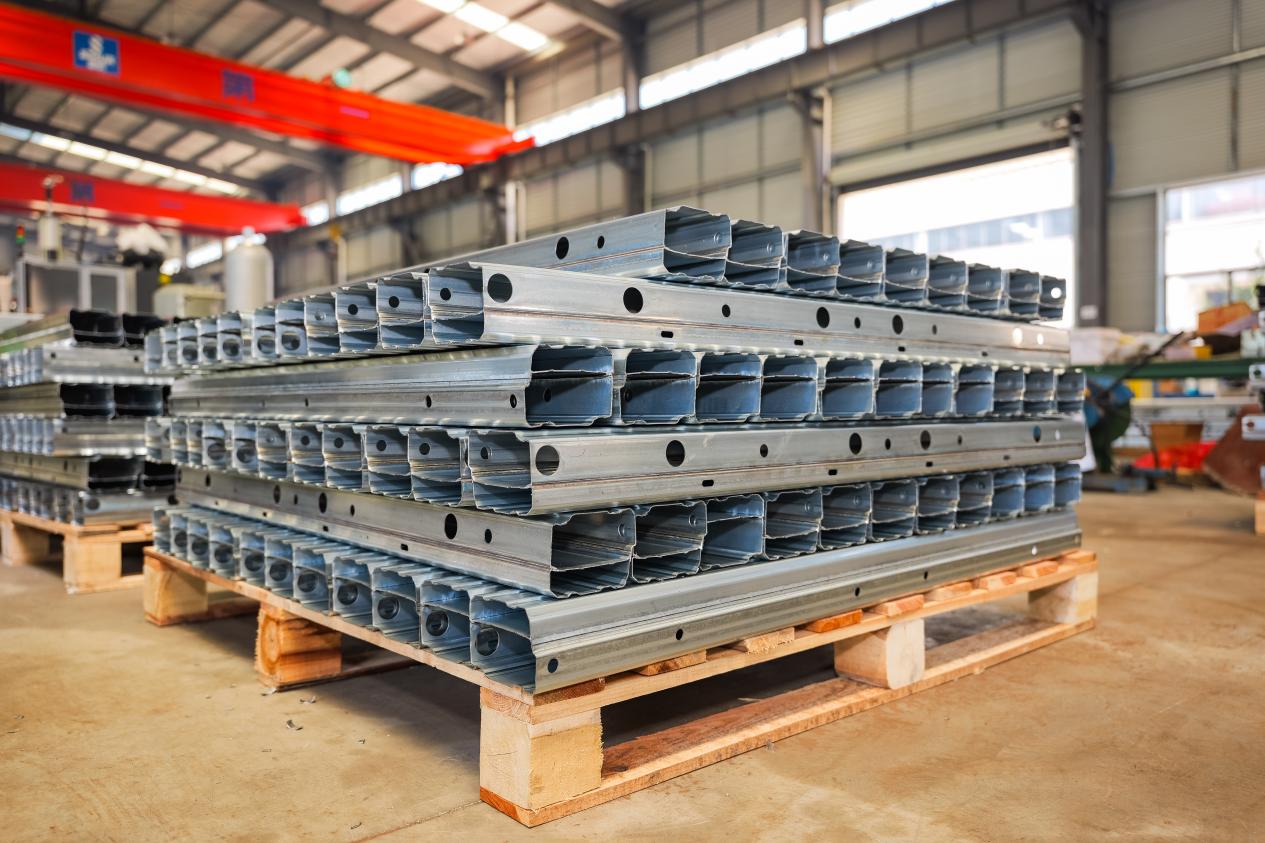
See DetailsVehicle B-profile automotive chassis reinforcement beams are vital structural components designed to enhance the rigidity and durability of a vehicle’s chassis. As an integral part of the vehicle’s structural framework, these beams ensure both safety and performance by reinforcing the chassis and absorbing energy in the event of a collision.
A chassis reinforcement beam is a structural component that helps improve the overall strength and stability of a vehicle’s body. The B-profile refers to the shape of the beam, which is engineered to optimize strength while reducing weight. This balance of strength and weight is particularly crucial in modern automotive design, where reducing overall vehicle weight improves fuel efficiency and performance.
Chassis reinforcement beams are typically made from high-strength steel or specialized alloys that offer both high tensile strength and excellent durability under stress. These beams are strategically positioned in critical parts of the vehicle to enhance its crashworthiness, ensuring that in the event of an impact, the energy is absorbed and distributed effectively to minimize harm to the occupants.
The primary function of these beams is to reinforce the chassis and maintain its structural integrity during collisions. They contribute to various aspects of vehicle performance, including:
Crash Safety: The B-profile beams act as a protective barrier during frontal, side, and rear-end collisions. They absorb and redistribute the impact forces to prevent damage to more critical parts of the vehicle, such as the passenger compartment.
Weight Reduction: By optimizing the beam’s shape and material, manufacturers can significantly reduce the weight of the beam without compromising its strength. This reduction in weight contributes to overall vehicle efficiency, including better fuel economy.
Stability and Rigidity: These beams provide additional support to the vehicle’s frame, improving its overall stability and rigidity. This support enhances the handling and performance of the vehicle, particularly in high-speed or emergency maneuvers.
Energy Absorption: The B-profile beams are designed to absorb and dissipate kinetic energy in the event of a crash, protecting the occupants from excessive forces and improving vehicle safety.
The choice of material for automotive reinforcement beams is critical to ensuring both strength and durability while keeping the vehicle lightweight. Some of the common materials used include:
| Material | Properties | Benefits |
|---|---|---|
| High-Strength Steel | Excellent tensile strength and durability | Provides robust structural integrity; commonly used for reinforcement beams. |
| Aluminum Alloys | Lightweight, corrosion-resistant, good energy absorption | Offers reduced weight and increased fuel efficiency without compromising safety. |
| Advanced High-Strength Steel (AHSS) | Enhanced tensile strength, formability | Provides optimal strength-to-weight ratio, reducing the weight of the vehicle. |
| Ultra High-Strength Steel (UHSS) | High resistance to deformation, superior crash protection | Ensures superior crash performance and energy absorption. |
| Composite Materials | Lightweight, corrosion-resistant, high energy absorption | Emerging material for reinforcement beams, offering reduced weight and improved safety. |
These materials are selected based on specific requirements of strength, weight, durability, and manufacturing cost. For instance, Shanghai Sihua Precision Machinery Co., Ltd. uses advanced materials in the production of high-strength automotive beams, utilizing their expertise in high-speed precision roll forming machines for automotive high-strength steel components.
The production of B-profile automotive chassis reinforcement beams is a complex process involving several stages, each ensuring precision, durability, and high performance. Key steps include:
Material Selection and Preparation: The process begins with selecting the appropriate material, such as high-strength steel or advanced alloys, based on the specific requirements of the vehicle. The material is then processed to meet precise thickness, weight, and strength specifications.
Roll Forming: In this stage, the material is passed through a series of rollers to shape it into the desired B-profile. This is a highly efficient process, capable of producing large quantities of reinforcement beams with consistent quality and minimal waste.
Precision Cutting and Welding: After the beam is formed, it undergoes precision cutting to the required lengths. Laser welding is then used to ensure strong, precise joints that contribute to the beam’s structural integrity.
Press Forming: A 600-ton press machine is employed to further shape the beam and ensure it meets stringent dimensional tolerances. This step is critical for achieving the exact profile and strength required for the vehicle application.
Final Quality Checks: Before the beams are shipped for vehicle assembly, they undergo rigorous quality control checks to ensure they meet all safety standards and specifications. This step may include tests for tensile strength, durability, and dimensional accuracy.
Shanghai Sihua Precision Machinery Co., Ltd., with its specialized expertise in automatic high-speed roll forming machines, offers cutting-edge production lines for manufacturing these reinforcement beams. The company’s focus on automation and precision ensures that each product meets the highest standards of quality.
In the automotive industry, technology and innovation are pivotal in improving vehicle safety and performance. The development of automated manufacturing processes, such as those implemented by Shanghai Sihua Precision Machinery Co., Ltd., has significantly enhanced the production of B-profile automotive chassis reinforcement beams.
Automation in the manufacturing process not only increases production efficiency but also ensures consistent product quality. By using advanced machines for precision forming, laser welding, and press forming, manufacturers can meet the high demands for automotive safety components while reducing human error.
Additionally, innovations in material science, such as the use of advanced high-strength steels and composite materials, have led to lighter and more efficient reinforcement beams, without compromising safety or durability.
vehicle B-profile automotive chassis reinforcement beam roll forming machine play an essential role in enhancing the strength, stability, and safety of modern vehicles. With advancements in materials and manufacturing technologies, these beams have evolved to provide better performance while reducing the overall weight of the vehicle.
1. What is the primary function of a vehicle B-profile automotive chassis reinforcement beam?
The primary function is to reinforce the chassis, enhance vehicle stability, and provide energy absorption during collisions to improve safety.
2. What materials are commonly used in B-profile automotive chassis reinforcement beams?
High-strength steel, aluminum alloys, advanced high-strength steel (AHSS), ultra-high-strength steel (UHSS), and composite materials are commonly used for their strength and durability.
3. How does automation improve the manufacturing of reinforcement beams?
Automation improves production efficiency, consistency, and precision by using advanced roll forming, laser welding, and press forming technologies, ensuring high-quality products.
4. Why is weight reduction important for vehicle B-profile reinforcement beams?
Reducing weight improves fuel efficiency, performance, and overall vehicle efficiency while still maintaining the necessary structural integrity and crashworthiness.
5. What are the key benefits of advanced materials in reinforcement beams?
Advanced materials like AHSS and UHSS provide optimal strength-to-weight ratios, enhanced crash protection, and better energy absorption capabilities, contributing to safer and more efficient vehicles.
Don't hesitate to contact when you need us!
Contact Information
PRODUCTS
Mobile


 English
 Español
 русский