If you are interested in this product, click here to send an inquiry to Sihua.
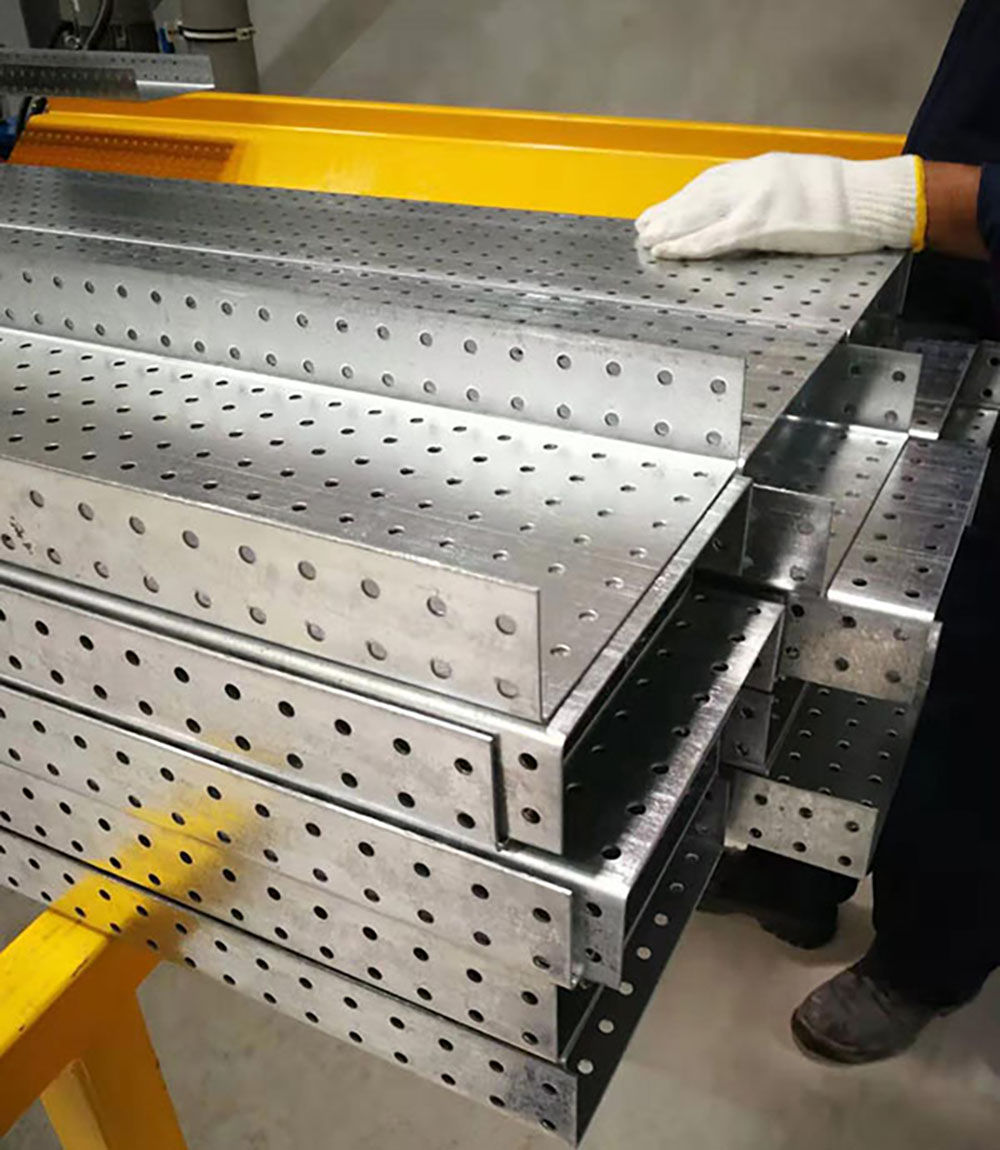 |
Cable tray roll forming machine with adjustable width |
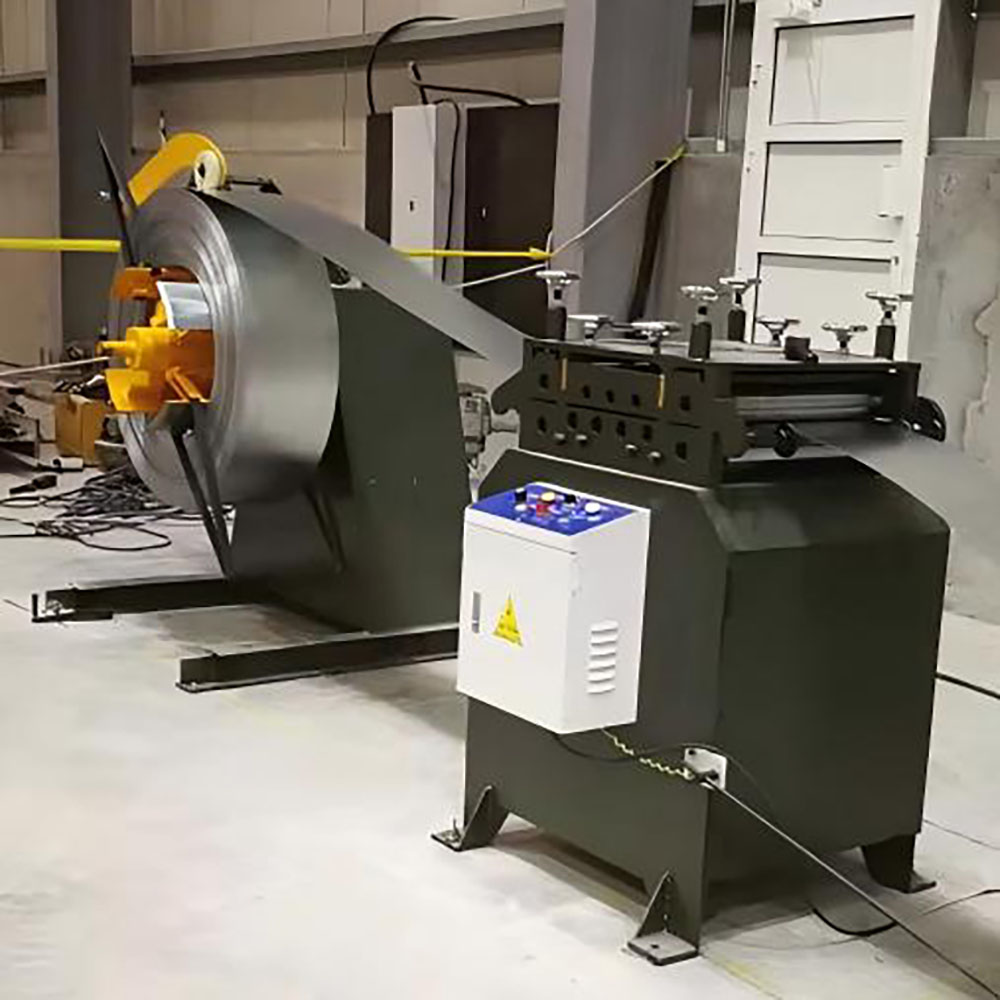 |
Single head belt brake decoiler with leveling machine |
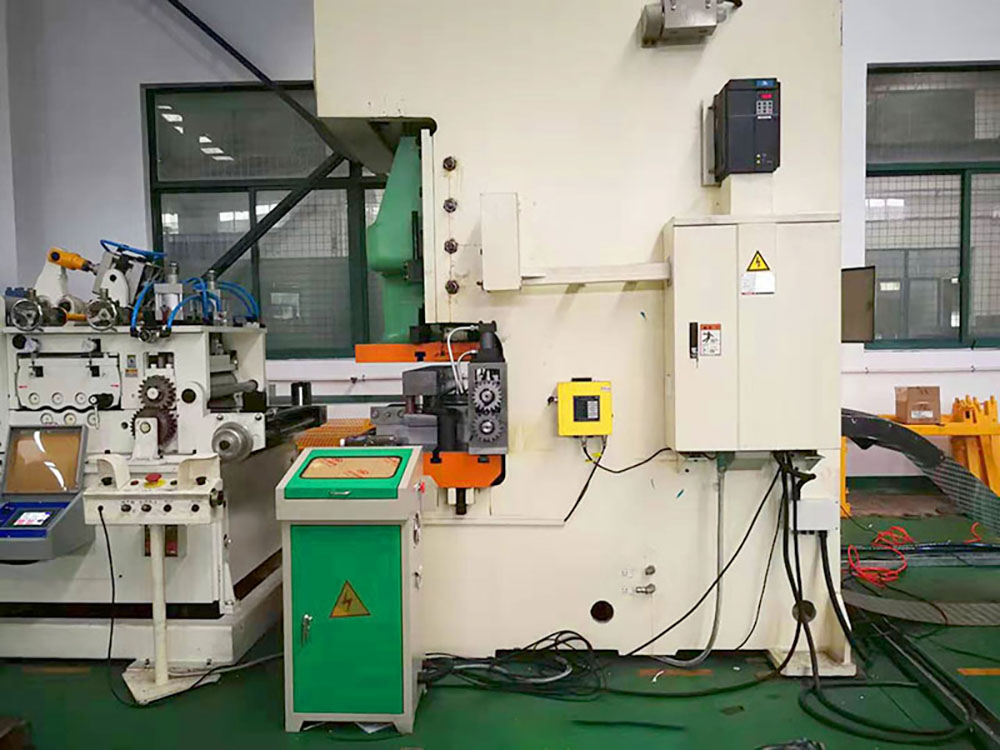 |
Custom-made long and wide punch press machine |
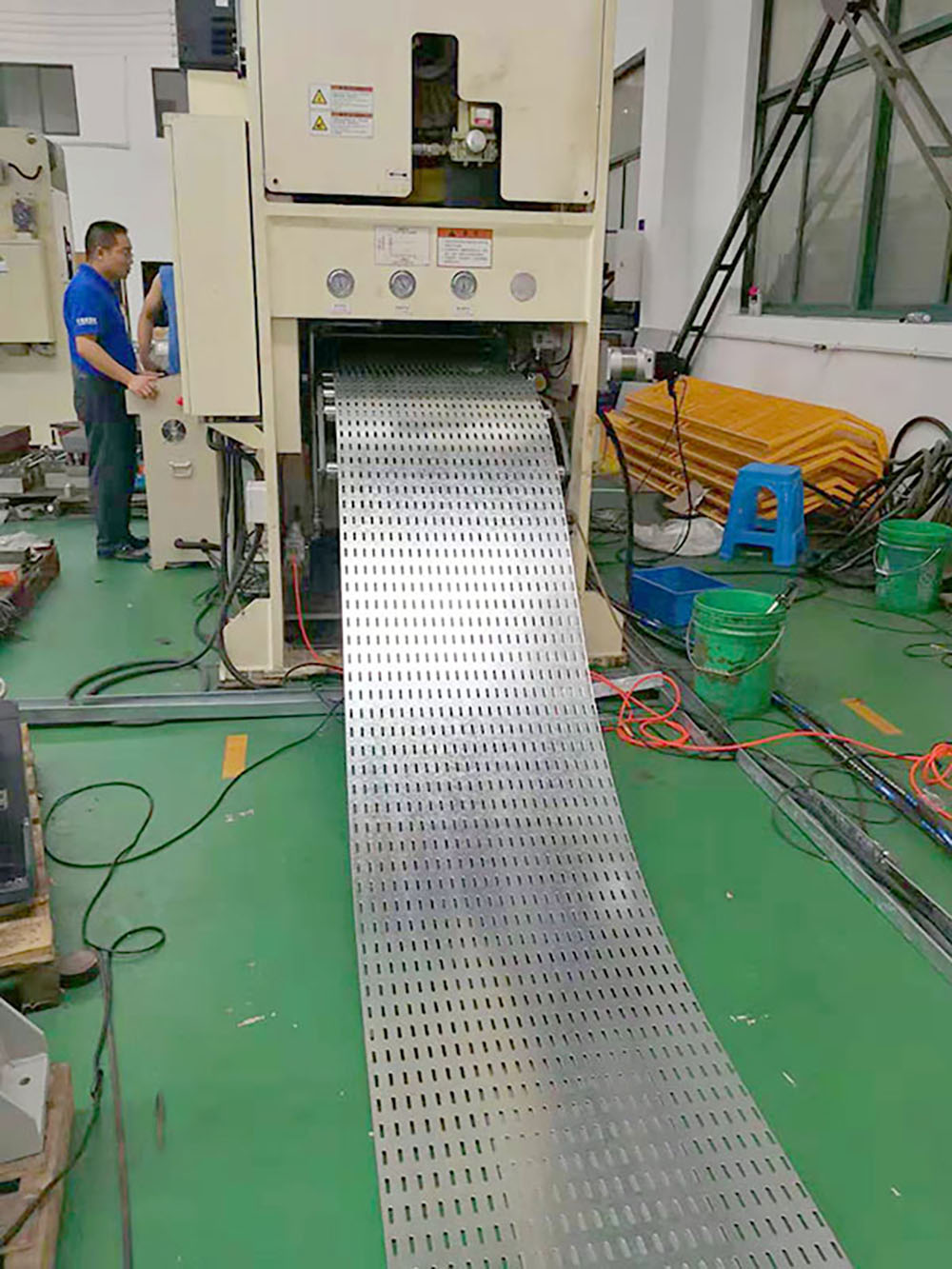 |
A buffer space is needed between the punch press and the forming machine (a pit may need to be dug if necessary). |
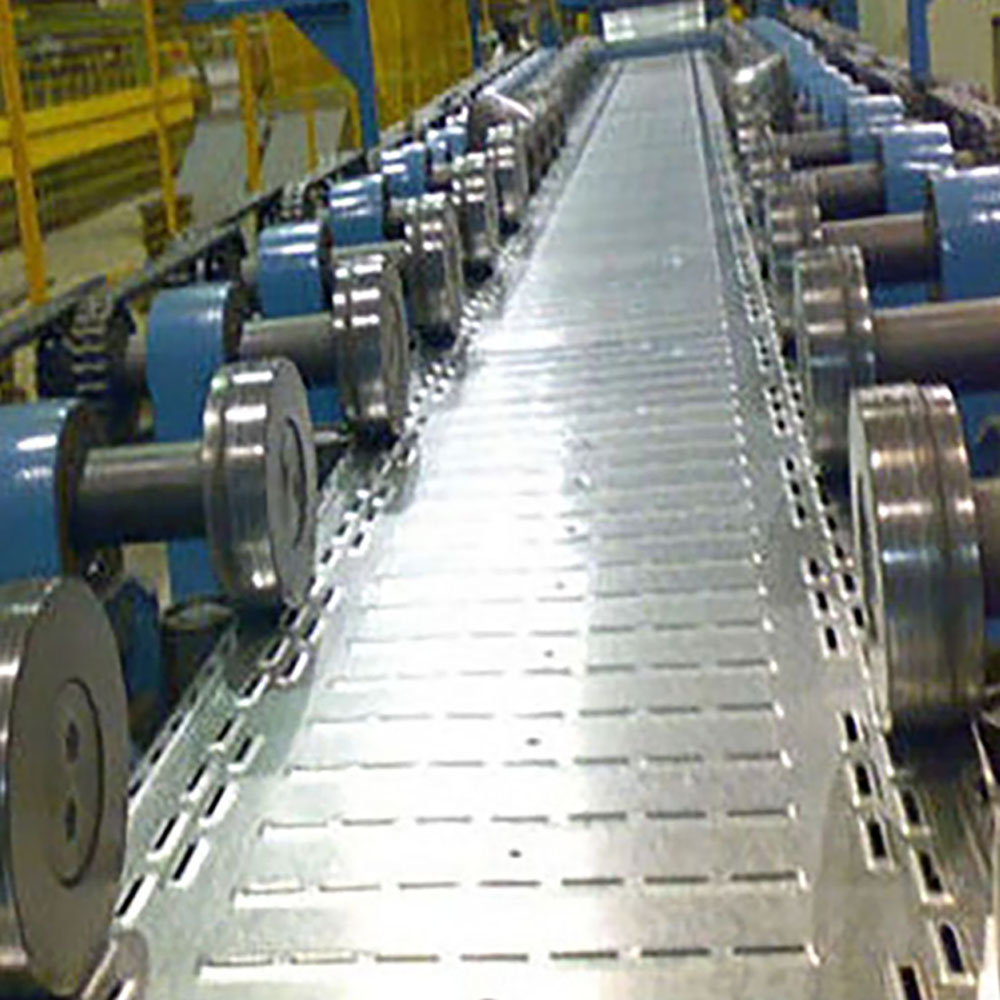 |
Automatic width-changing forming machine, chain drive system |
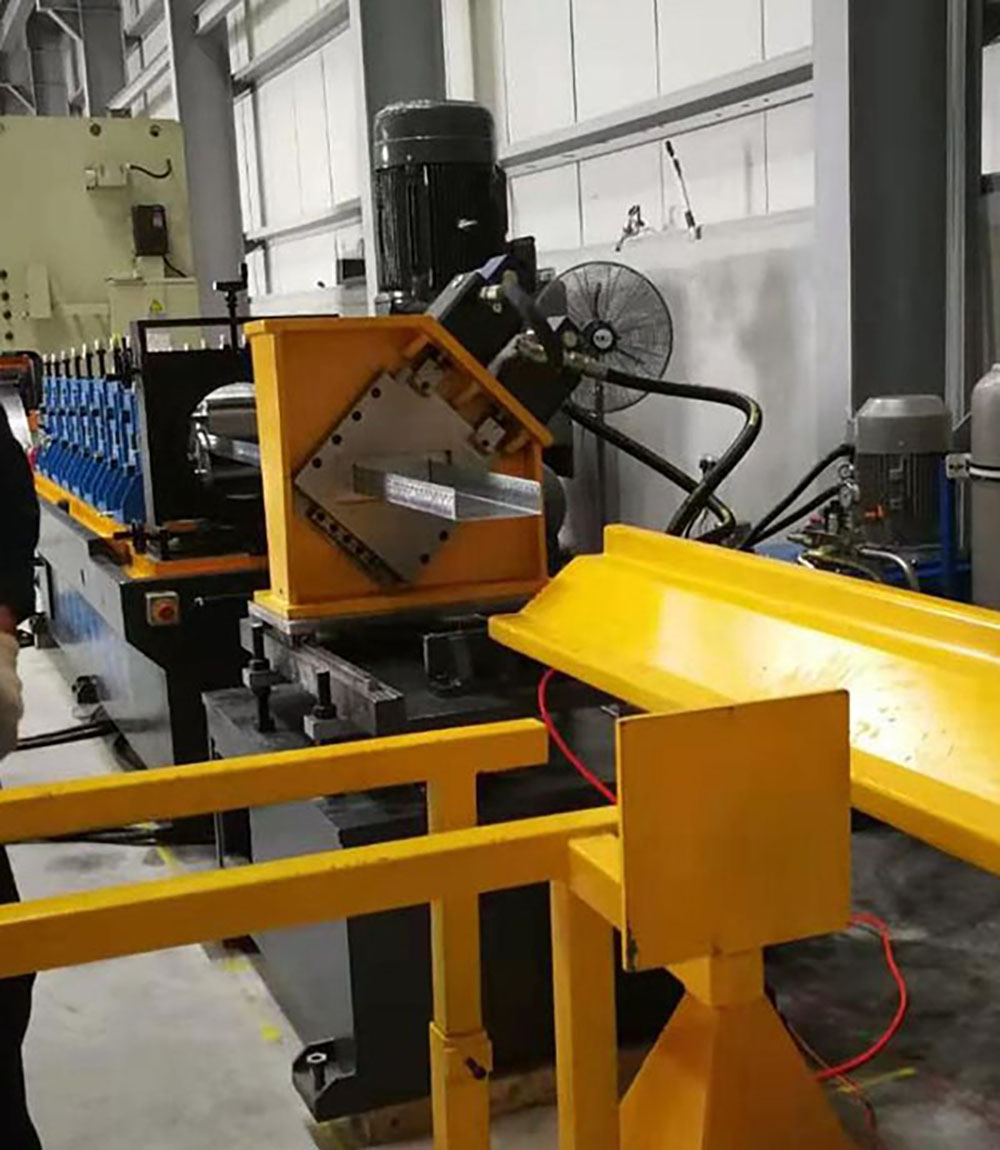 |
Economical stop-motion cutting table (flying shear table for non-stop cutting is optional, sawing table is optional) |
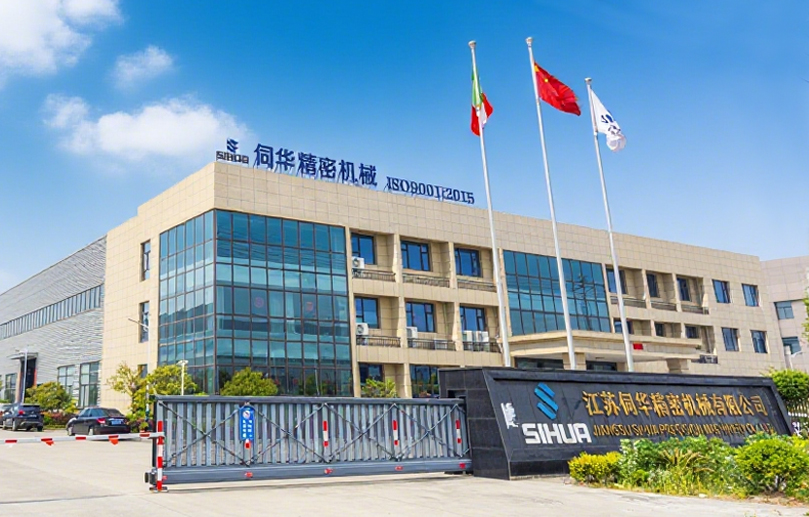
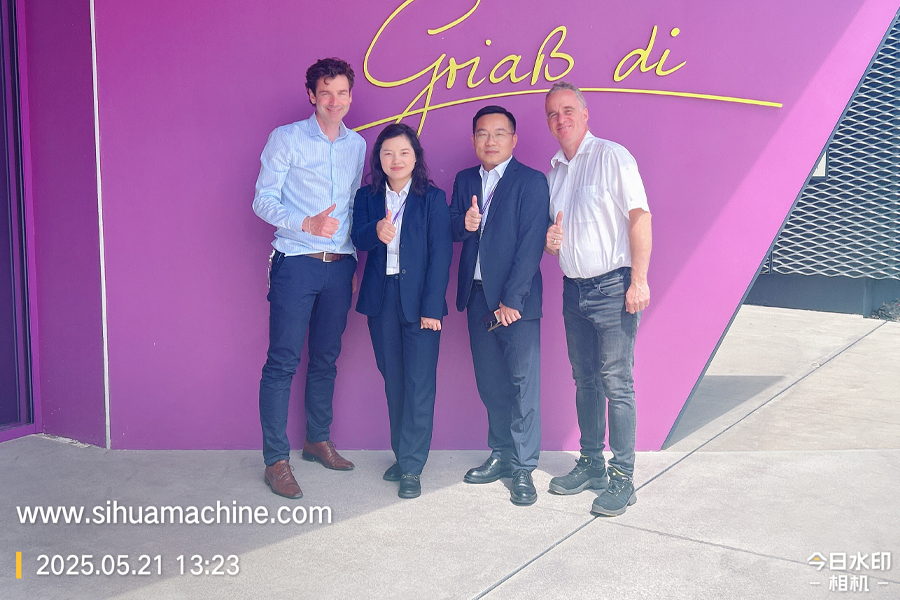
Service Case Show
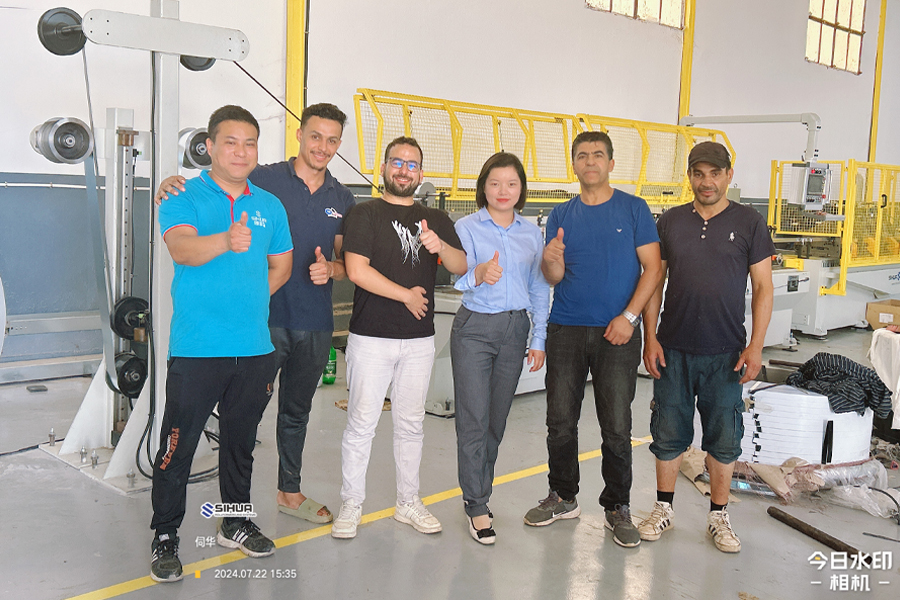
Specializing in efficient production, helping to upgrade the global construction industry
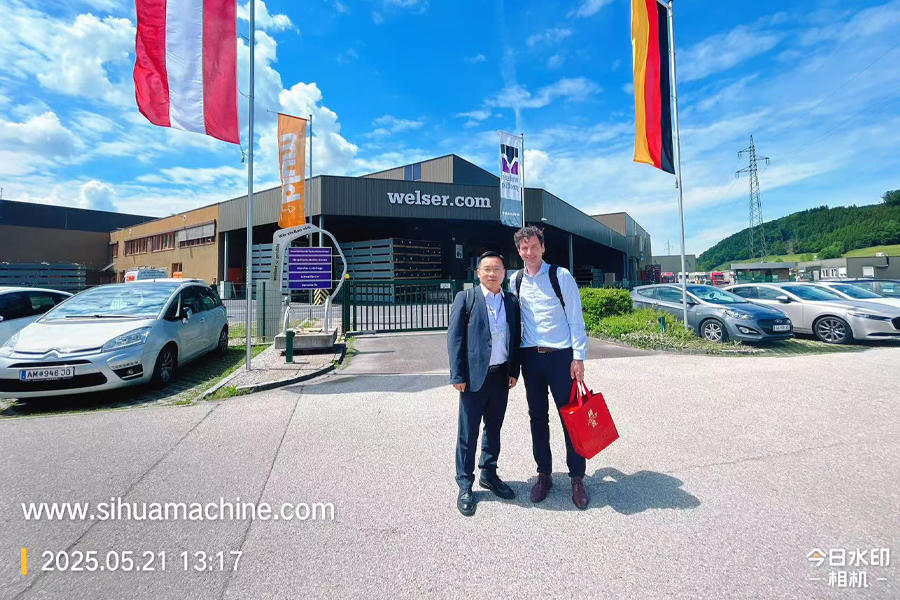
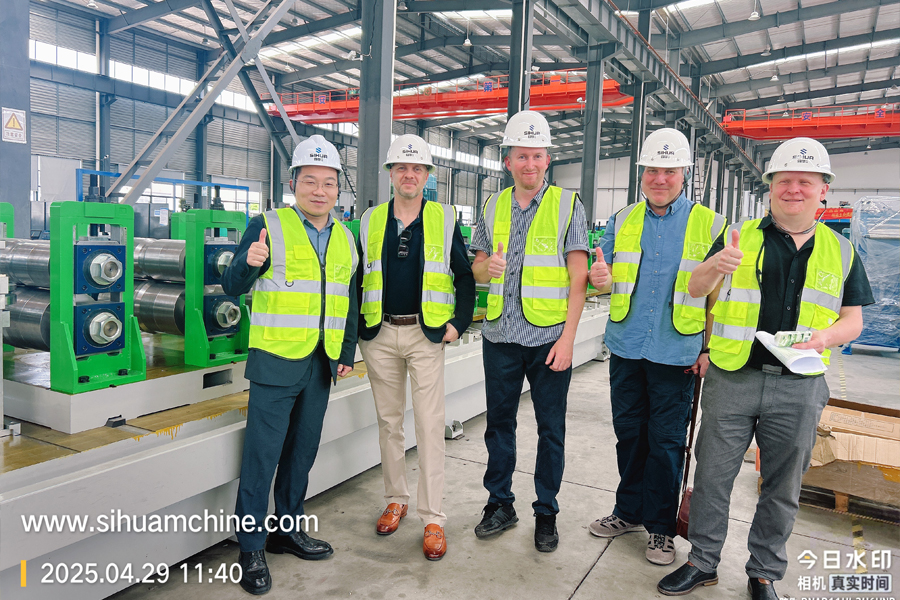
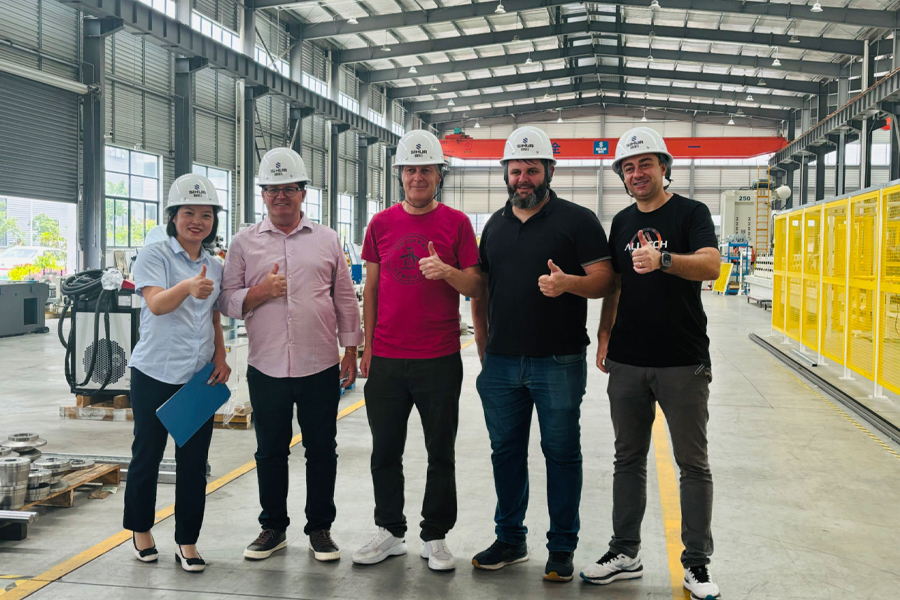
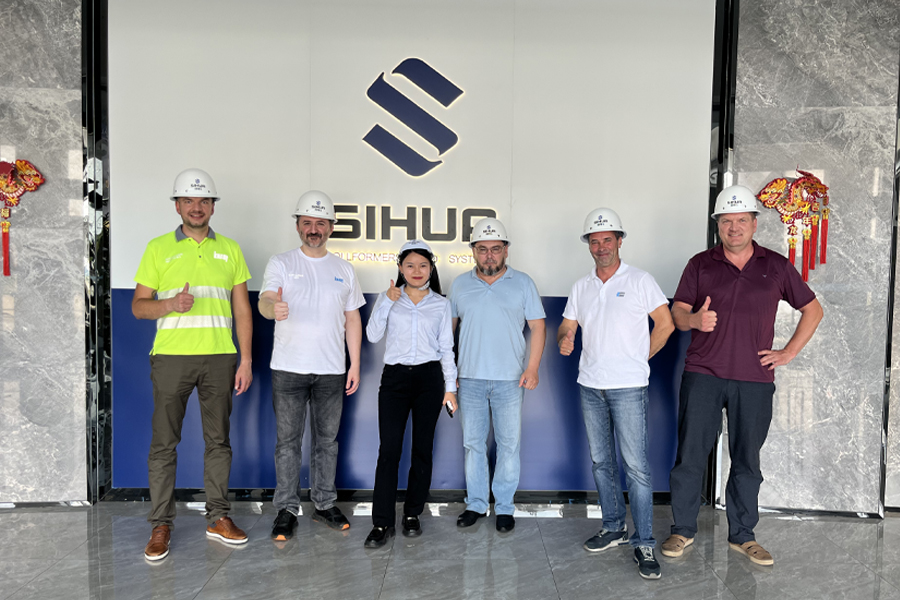



Event Name EuroBLECH 2026 (28th International Sheet Metal Working Technology Exhibition) Date 2...
READ MORECeiling T grid systems are one of the most widely used methods for creating suspended ceilings in c...
READ MORESteel fabricators bidding on a continuous-roof project usually reach the same conclusion when they...
READ MORESelecting the correct input material for a Drywall Profile Roll Forming Machine is the single most ...
READ MOREFor decades, scaffolding manufacturing relied heavily on manual labor—cutting, bending, welding, an...
READ MORE
5-ton capacity hydraulic Decoiler with wagon Energy storage Frame beam...
See Details
The production line for vehicle B-profile automotive chassis reinforcement...
See Details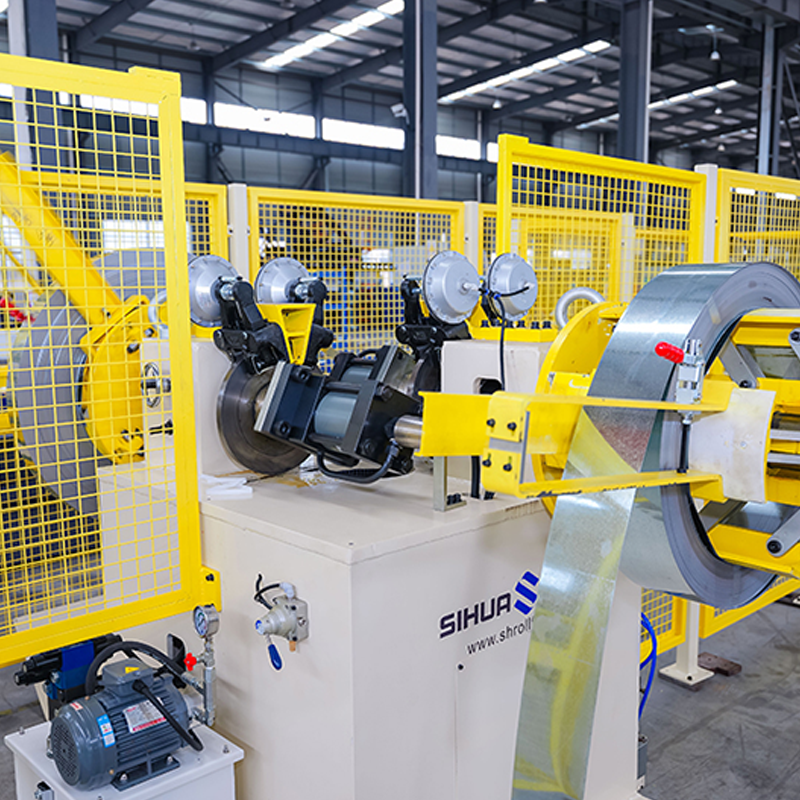
Automatic rotating double-head hydraulic decoiler with no-material detectio...
See Details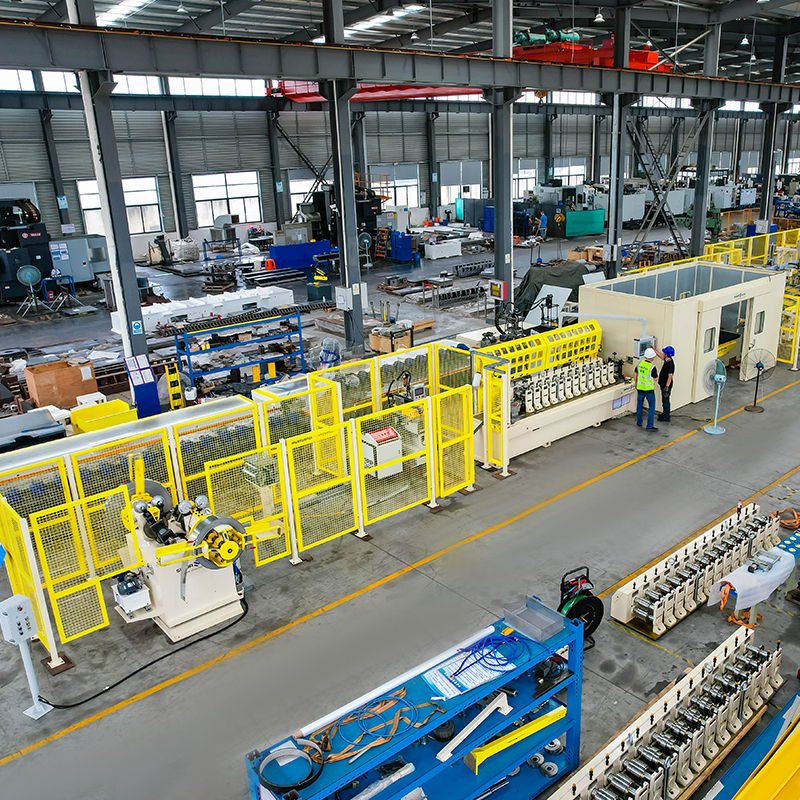
Automatic rotating double-head hydraulic decoiler with no-material detectio...
See Details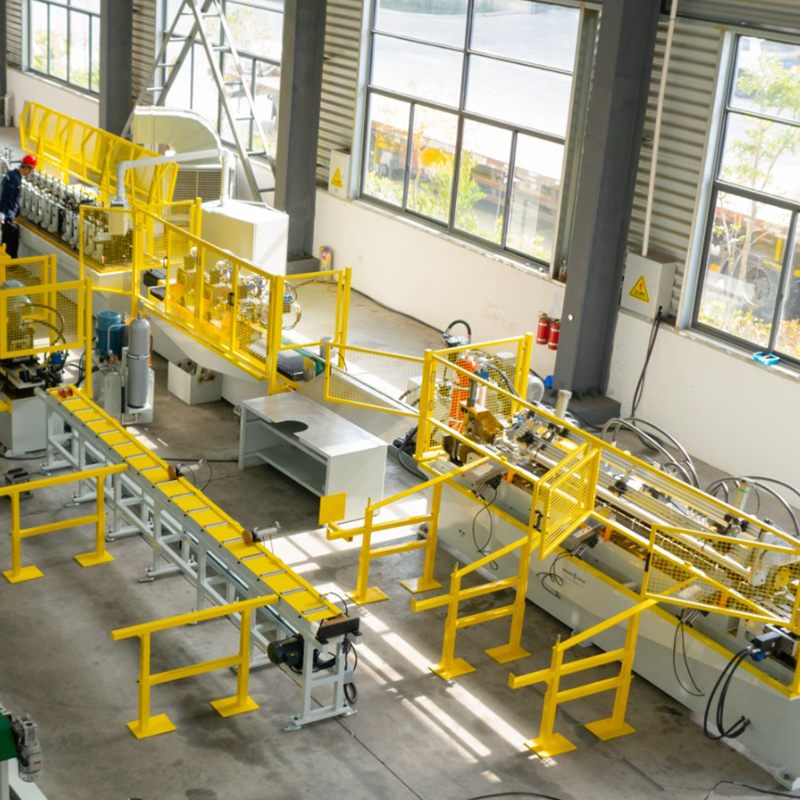
Double-head pre-painted steel hydraulic expanding/contracting uncoiler, dou...
See Details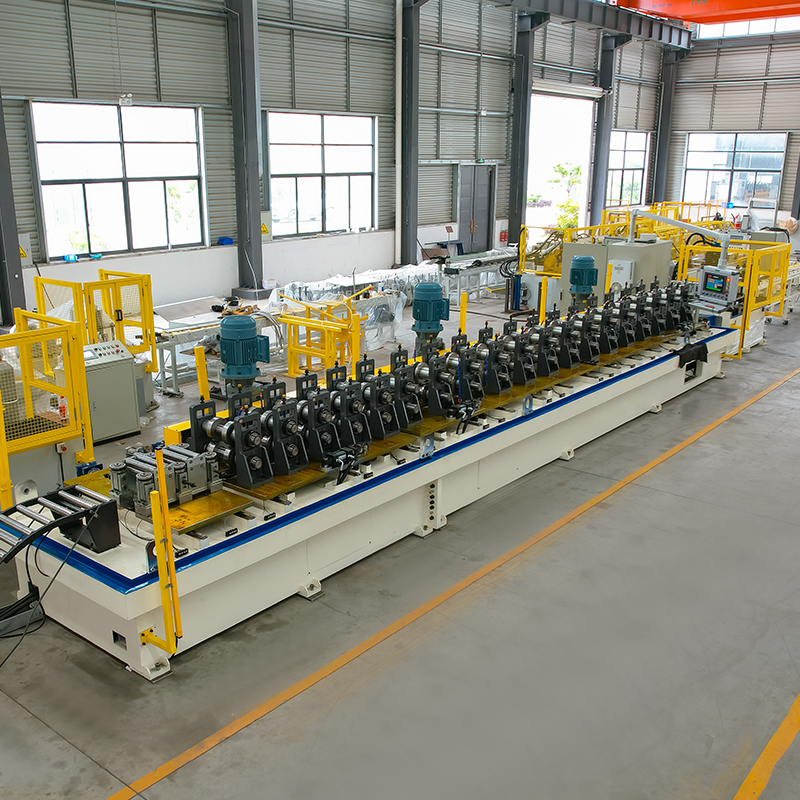
Solar bracket auto change width roll forming machine Material decoiler...
See DetailsIn the modern industrial landscape, efficiency and precision are crucial factors in ensuring a competitive edge. One such tool that plays a vital role in streamlining production processes is the cable tray roll forming machine. This piece of equipment is specifically designed for the manufacturing of cable trays, which are essential components in electrical installations, offering safe and organized routes for cables and wires.
A cable tray roll forming machine is an automated industrial machine used to create metal trays, which are used to support cables and wires in various installations. This equipment bends, forms, and cuts metal coils into specific shapes that meet the required standards for the construction of cable trays. These trays are essential for maintaining organized cable systems in buildings, industrial facilities, and data centers, among other applications.
The machine operates through a series of roll forming processes that progressively shape the metal coil into the desired tray profile. This process includes forming, punching, cutting, and sometimes, welding, depending on the machine’s design and the complexity of the tray.
To better understand the capabilities of a cable tray roll forming machine, it is important to consider its key features:
| Feature | Description |
|---|---|
| Automated Operation | Most modern cable tray roll forming machines are fully automated, reducing the need for manual labor and improving production efficiency. |
| Adjustable Specifications | These machines allow customization of tray sizes, profiles, and designs to suit different requirements. |
| High-Speed Production | With high-speed cutting and forming capabilities, the machine can produce large volumes of cable trays in a short period, making it ideal for mass production. |
| Durability | Constructed with high-quality materials and advanced technology, these machines are designed to last and maintain consistent performance over time. |
| Precise and Consistent Forming | The machine ensures accurate and repeatable results, producing trays with uniform dimensions, which is essential for quality and safety. |
The process begins when a coil of metal, typically made of galvanized steel, stainless steel, or aluminum, is fed into the machine. As the coil enters the machine, it is progressively shaped by a series of rolls, which form it into the desired profile. These rolls are strategically positioned along the length of the machine to progressively bend the metal until it reaches the required form.
Once the tray is shaped, additional processes may be used to add holes for cable entry, punching, or cutting the trays into the correct lengths. Some machines may also include integrated welding stations to create stronger joints for longer trays. In the end, a cable tray roll forming machine can produce trays of varying sizes and configurations, from standard perforated trays to ladder-type trays, ensuring versatility and suitability for different applications.
The materials used to construct cable trays are critical to ensuring strength, durability, and resistance to environmental factors. Common materials include:
| Material | Properties |
|---|---|
| Galvanized Steel | Offers high corrosion resistance, making it ideal for both indoor and outdoor use. |
| Stainless Steel | Known for its durability, resistance to high temperatures, and corrosion resistance, making it suitable for harsh environments. |
| Aluminum | Lightweight and resistant to corrosion, aluminum trays are often used in less demanding environments. |
| Mild Steel | Although not as resistant to corrosion, mild steel is often used in applications where cost efficiency is a priority. |
Cable trays are used in various industries, each with its own set of needs. The cable tray roll forming machine is, therefore, an essential tool in the following sectors:
Investing in a cable tray roll forming machine offers several advantages for manufacturers:
| Advantage | Description |
|---|---|
| Increased Productivity | The automation and speed of these machines allow manufacturers to produce large quantities of trays in less time. |
| Customization | Manufacturers can adjust the size and profile of trays to meet specific customer requirements. |
| Cost-Effectiveness | Automated machines reduce labor costs and waste, improving overall cost efficiency in production. |
| Consistency and Quality | The precise, repeatable forming process ensures that each tray meets quality standards and is produced with consistency. |
| Reduced Material Waste | The ability to feed metal coils into the machine ensures minimal material wastage compared to traditional manufacturing methods. |
Shanghai Sihua Precision Machinery Co., Ltd., a leading manufacturer specializing in the design and development of high-speed roll forming machines, offers cutting-edge solutions for the cable tray manufacturing industry. Their cable tray roll forming machines incorporate the latest automation technology, ensuring that clients receive high-quality, efficient machines that meet the needs of modern production lines.
With extensive experience in the roll forming machinery sector, Shanghai Sihua provides tailored solutions to suit the specific needs of customers. Their machines come equipped with advanced features such as adjustable tray sizes, high-speed cutting, and precise forming to meet demanding production schedules.
In conclusion, the cable tray roll forming machine is a crucial piece of equipment for manufacturers looking to produce high-quality, durable cable trays in large volumes. By automating the forming process, manufacturers can achieve higher efficiency, reduced labor costs, and consistent product quality.
1. What is the primary function of a cable tray roll forming machine?
2. What materials can be used in a cable tray roll forming machine?
3. What industries benefit from cable tray roll forming machines?
4. How does the cable tray roll forming process work?
5. Can a cable tray roll forming machine be customized for different tray sizes?
Don't hesitate to contact when you need us!
Contact Information
PRODUCTS
Mobile


 English
 Español
 русский