Content
A rack roll forming machine turns coiled steel into finished rack uprights and components in a single continuous process, replacing slower stamping or fabrication methods for high-volume storage rack production. This guide explains how these machines work, the difference between upright and pallet rack lines, and what to evaluate before investing in a production line.
A rack roll forming machine feeds flat steel coil through a series of roller stations, each one progressively bending the metal until it reaches the final rack profile — typically a slotted upright, beam, or shelf section. Because the material is shaped gradually across many rollers rather than in a single stamping stroke, roll forming produces consistent, high-strength profiles with minimal material stress.
The rack upright manufacturing process generally follows a consistent sequence regardless of the specific machine model: uncoiling and straightening the raw steel coil, roll forming the profile through successive roller stations, punching slots or holes at set intervals, cutting the formed profile to length, and finally stacking or packaging the finished uprights.
In-line punching is particularly important for rack production, since slot spacing and hole placement directly determine load capacity and beam compatibility — running this step in-line with roll forming, rather than as a separate operation, keeps tolerances consistent across long production runs.
| Factor | Upright Rack Roll Forming Machine | Pallet Rack Roll Forming Machine |
|---|---|---|
| Profile focus | Vertical rack columns/uprights | Full pallet racking components, including beams and accessories |
| Tooling complexity | Optimized for a narrower profile range | Often configured for multiple profile types on one line |
| Typical output | Selective and drive-in rack uprights | Standard pallet racking systems for warehouse storage |
| Best fit | Manufacturers specializing in upright components | Manufacturers producing complete storage rack systems |
Comparison of upright-focused and pallet rack roll forming machine configurations.
An automatic rack roll forming machine production line integrates uncoiling, forming, punching, cutting, and stacking into a single PLC-controlled system, reducing manual intervention and improving consistency across long runs. Automation is particularly valuable for warehouse rack roll forming machine operations producing standardized profiles at scale, where manual changeovers and inspection steps would otherwise become the bottleneck in overall throughput.
Storage rack roll forming machines serve manufacturers producing components for a wide range of warehouse and industrial storage systems, including selective pallet racking, drive-in and drive-through racking, cantilever racking, and shelving systems. The same core roll forming principle applies across these product lines, with tooling changes accounting for differences in profile shape, gauge, and slot pattern between rack types.
Matching machine specification to your actual product mix and production volume — rather than defaulting to the highest-automation option — is what determines whether a rack roll forming machine investment pays off in throughput and part consistency.

wide material single decoiler Leveling machine and Machine for punching small holes on both sides All the upper and lower rollers are connected to a worm gear reducer.This makes the for...
See Details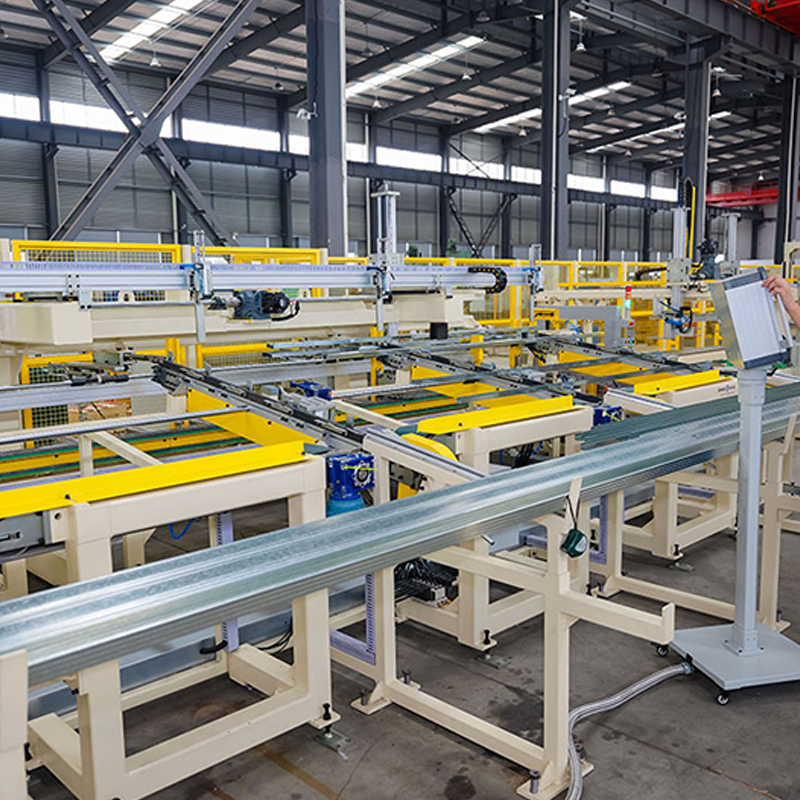
Automatic button flipping machine Flipping speed: 120 meters per minute. Flips the metal profile and snaps it on. Small bundle packing machine Large bundle palletizer Large-bu...
See Details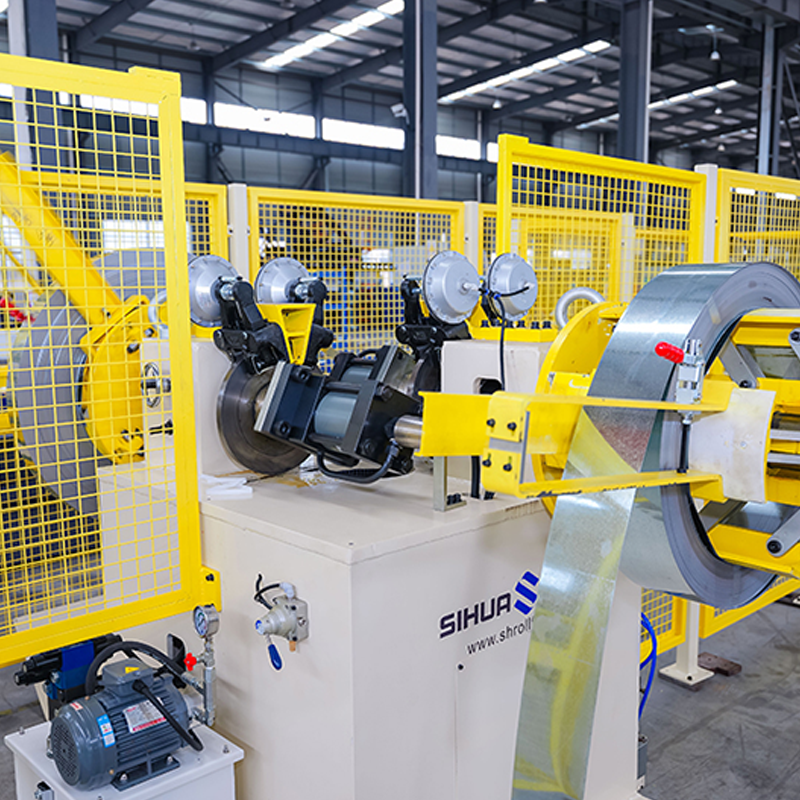
Automatic rotating double-head hydraulic decoiler with no-material detection, 5 tons per side. Laser power and welding length are adjustable to accommodate steel strips of various thicknesse...
See Details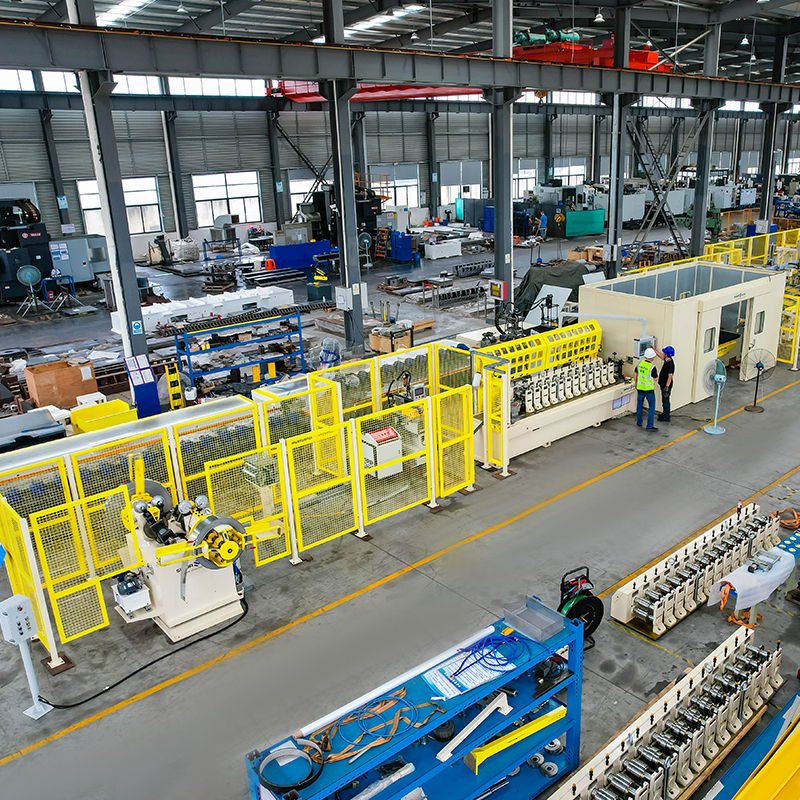
Automatic rotating double-head hydraulic decoiler with no-material detection, 5 tons per side. Quick-change cassette roll forming machine (changeover takes 30 minutes). Cutting without ...
See Details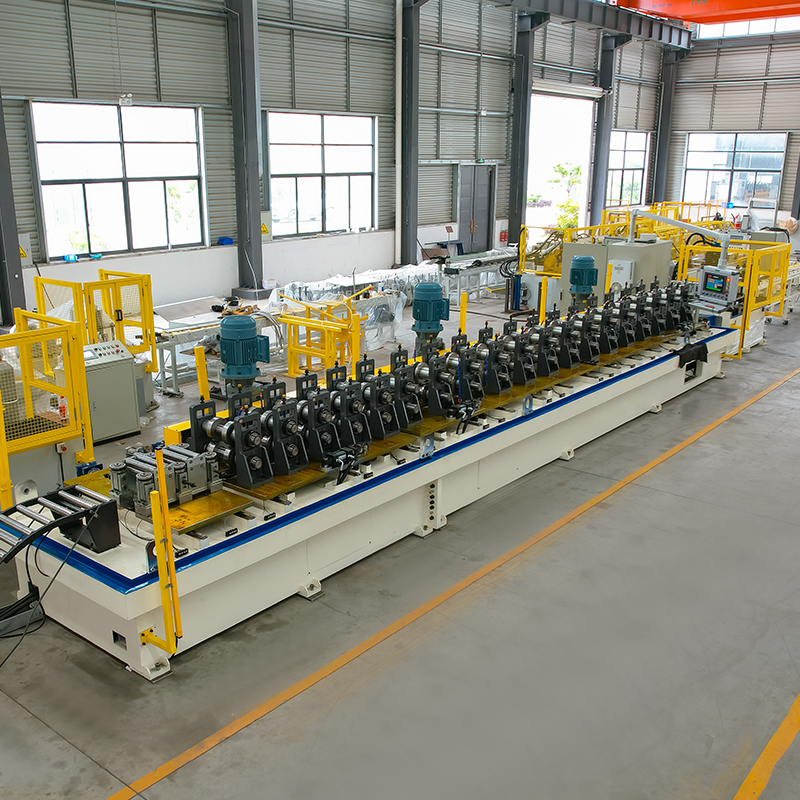
Solar bracket auto change width roll forming machine Material decoiler with storage platform and robotic arm Leveling machine(A leveling machine is required before using a punch press.)...
See Details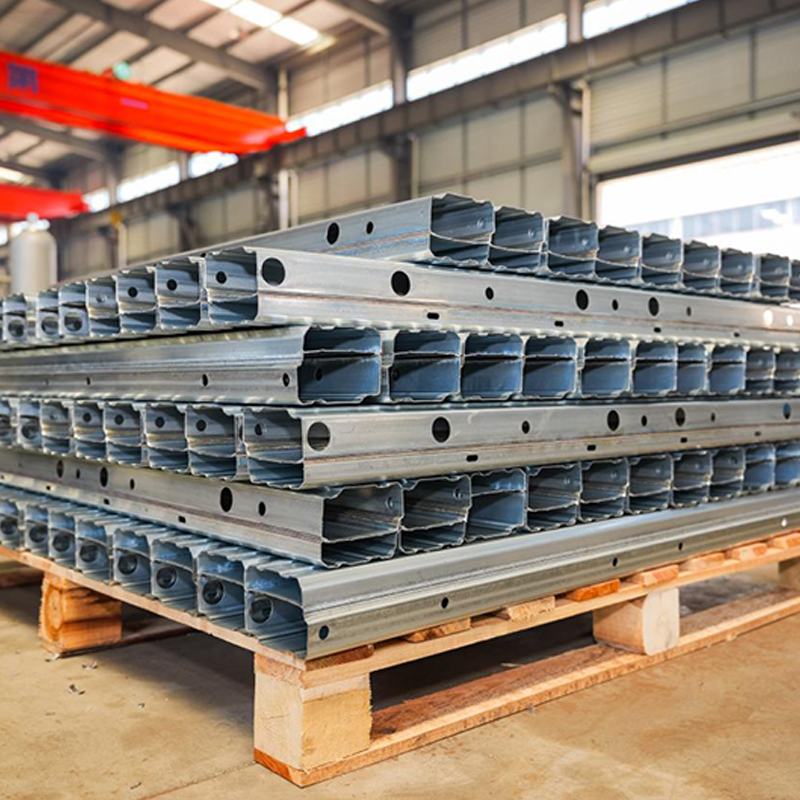
The production line for vehicle B-profile automotive chassis reinforcement beams involves several key processes to ensure High-strength, precision, and durability for vehicle applications. Key e...
See DetailsDon't hesitate to contact when you need us!
Contact Information
PRODUCTS
Mobile


 English
 Español
 русский