If you are interested in this product, click here to send an inquiry to Sihua.
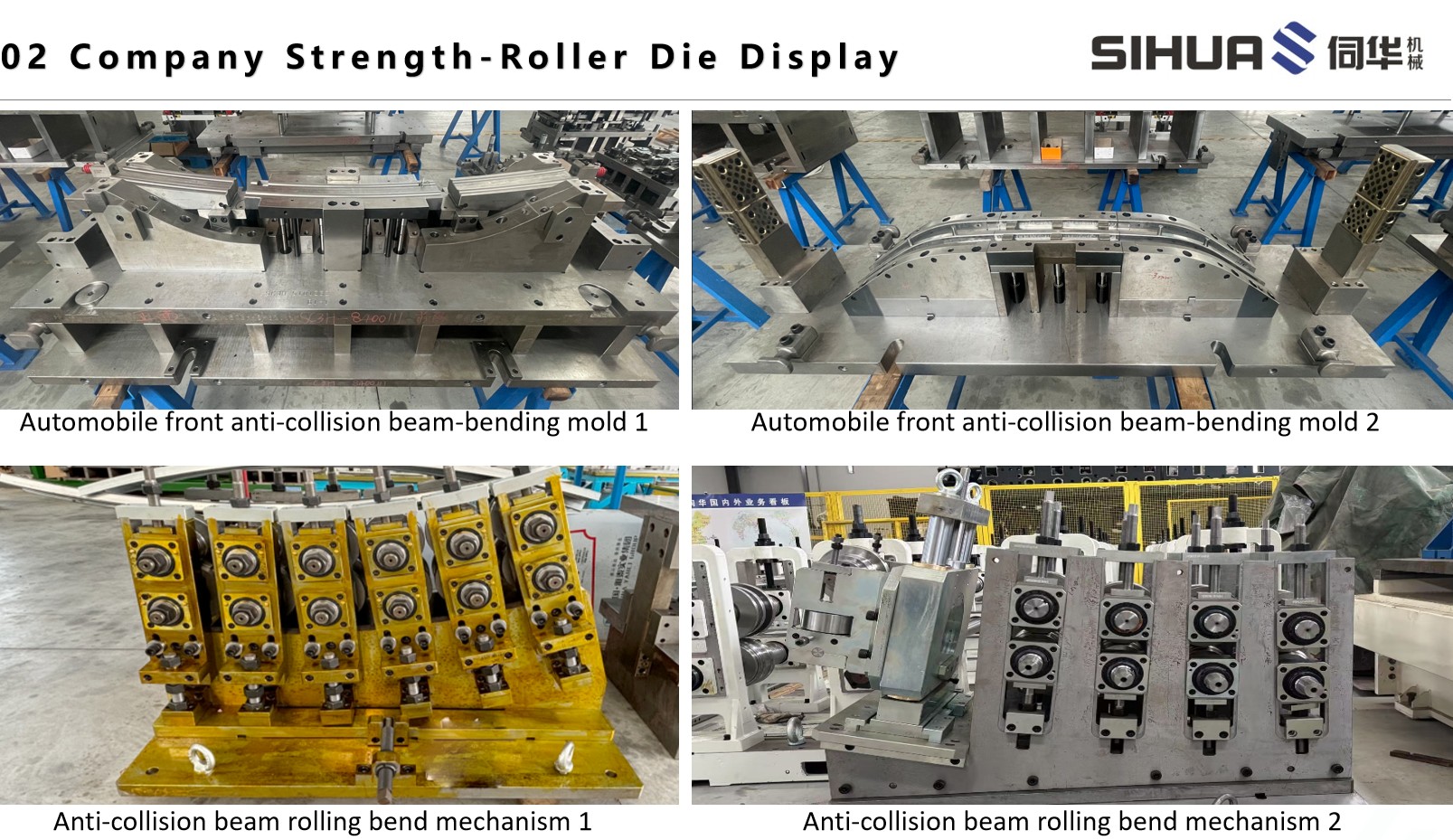 |
Roller Die Display Automobile front anti-collision beam-bending mold Anti-collision beam rolling bend mechanism |
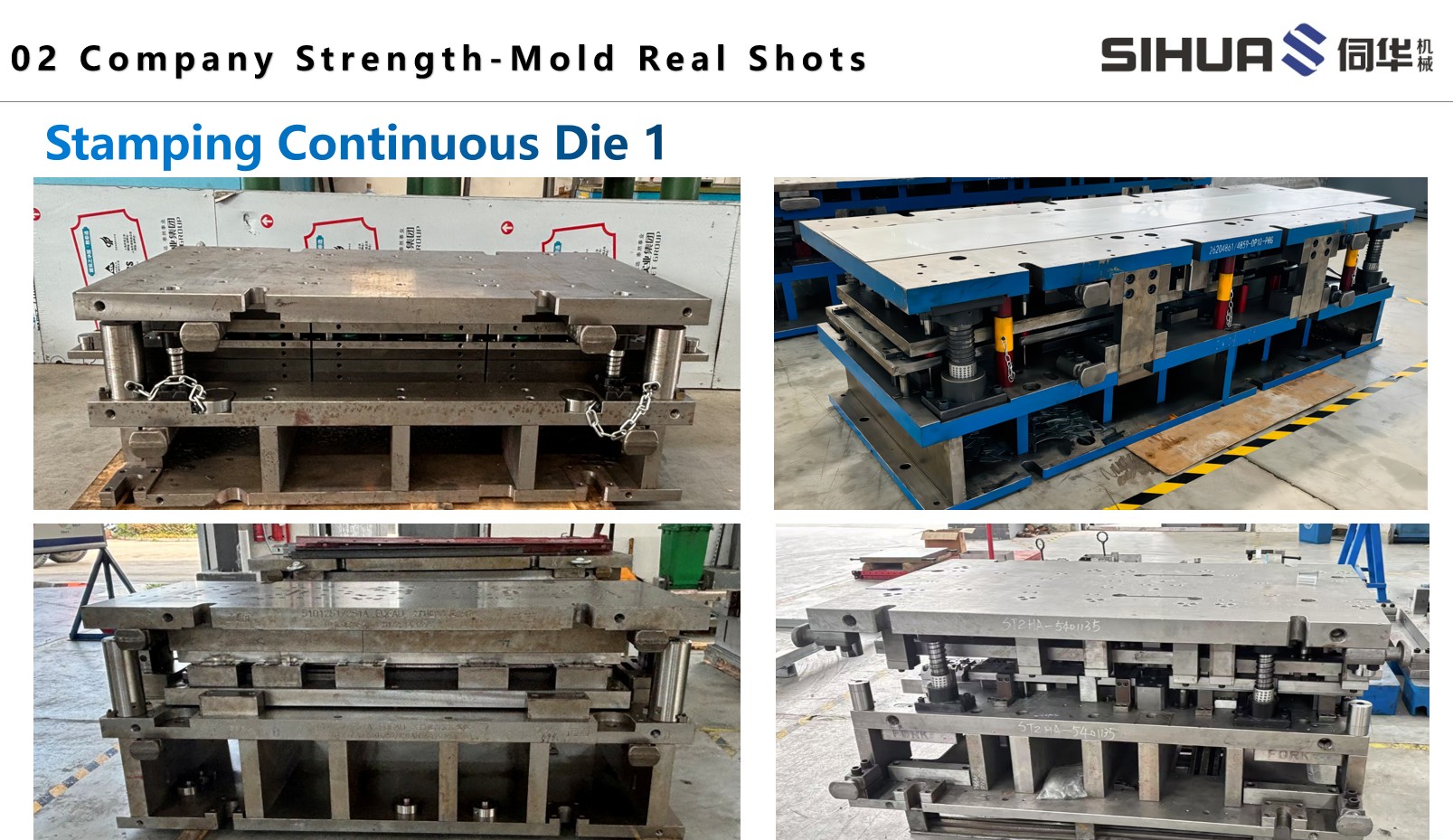 |
Mold Real Shots Stamping Continuous Die |
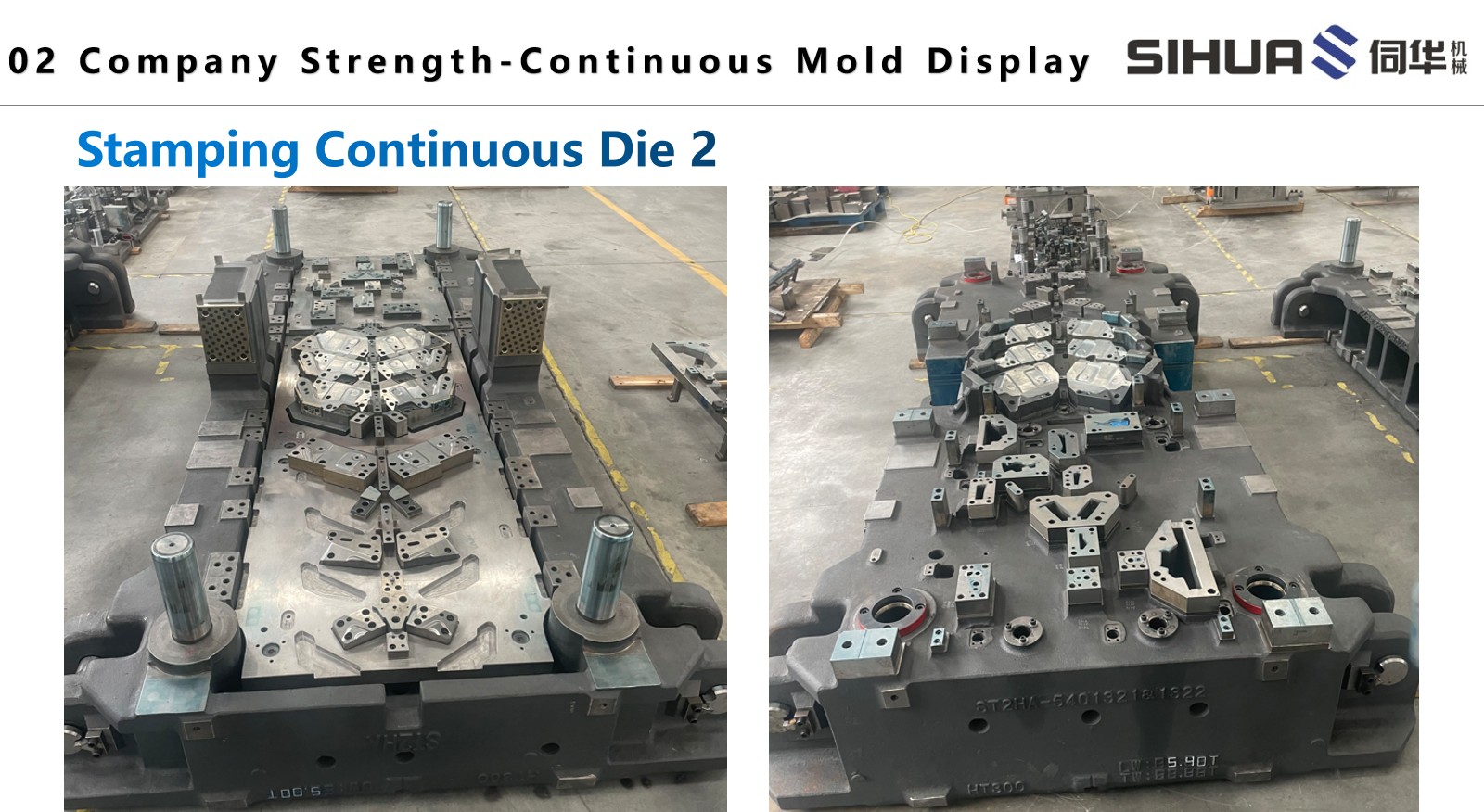 |
Continuous Mold Display Stamping Continuous Die |
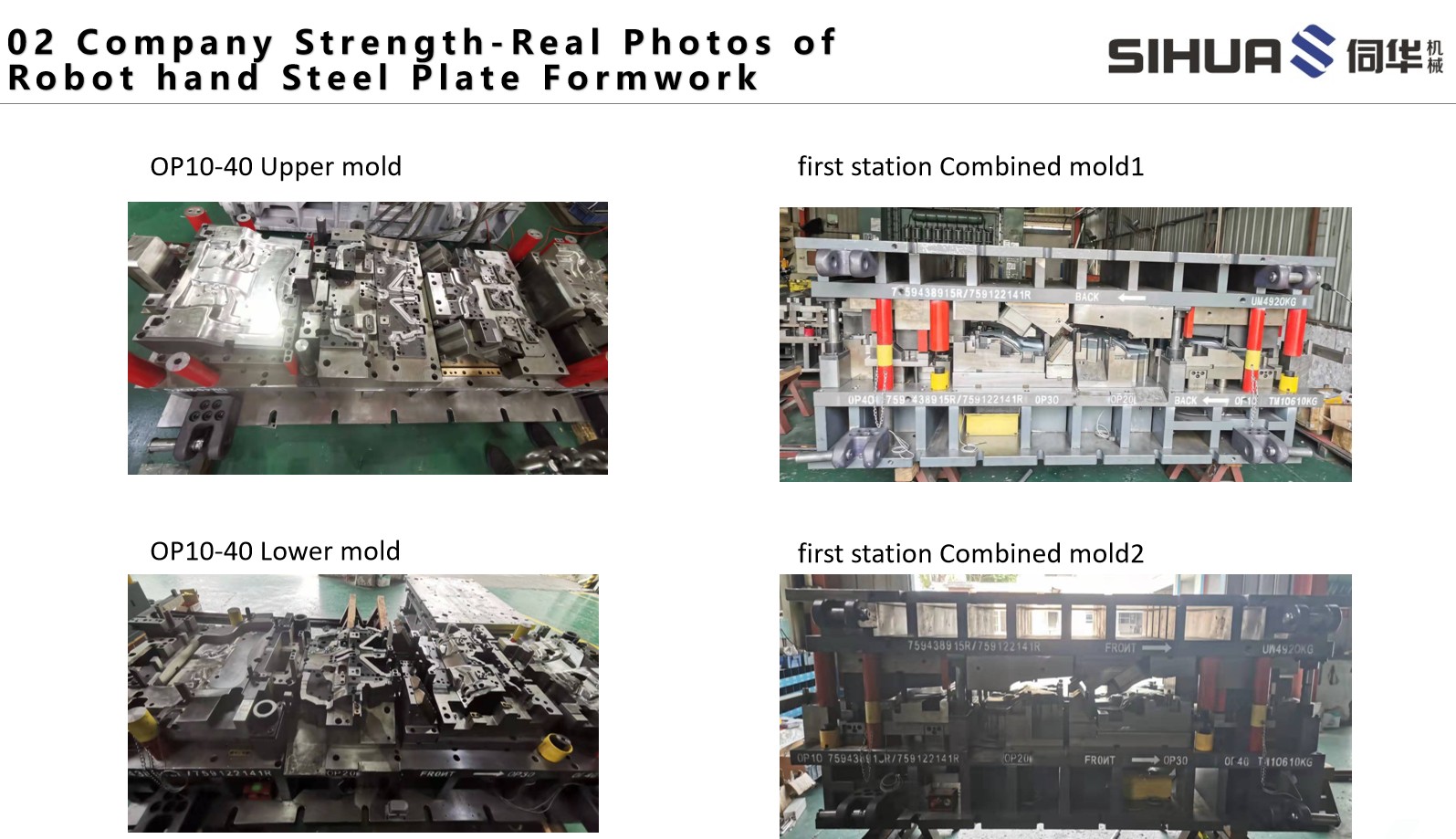 |
Real Photos of OP10-40 Upper mold first station Combined mold1 OP10-40 Lower mold first station Combined mold2 |
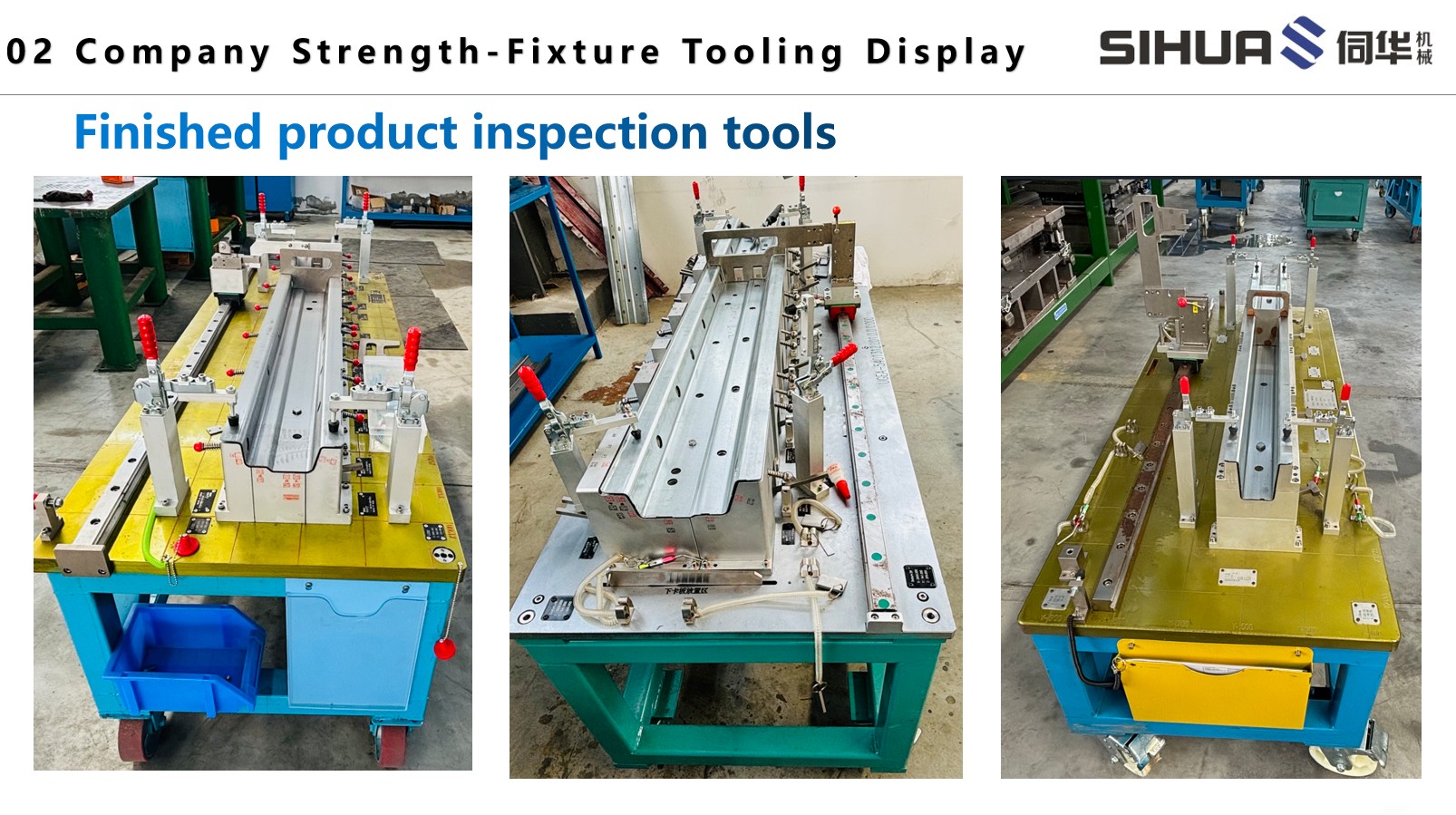 |
Fixture Tooling Display Finished product inspection tools |
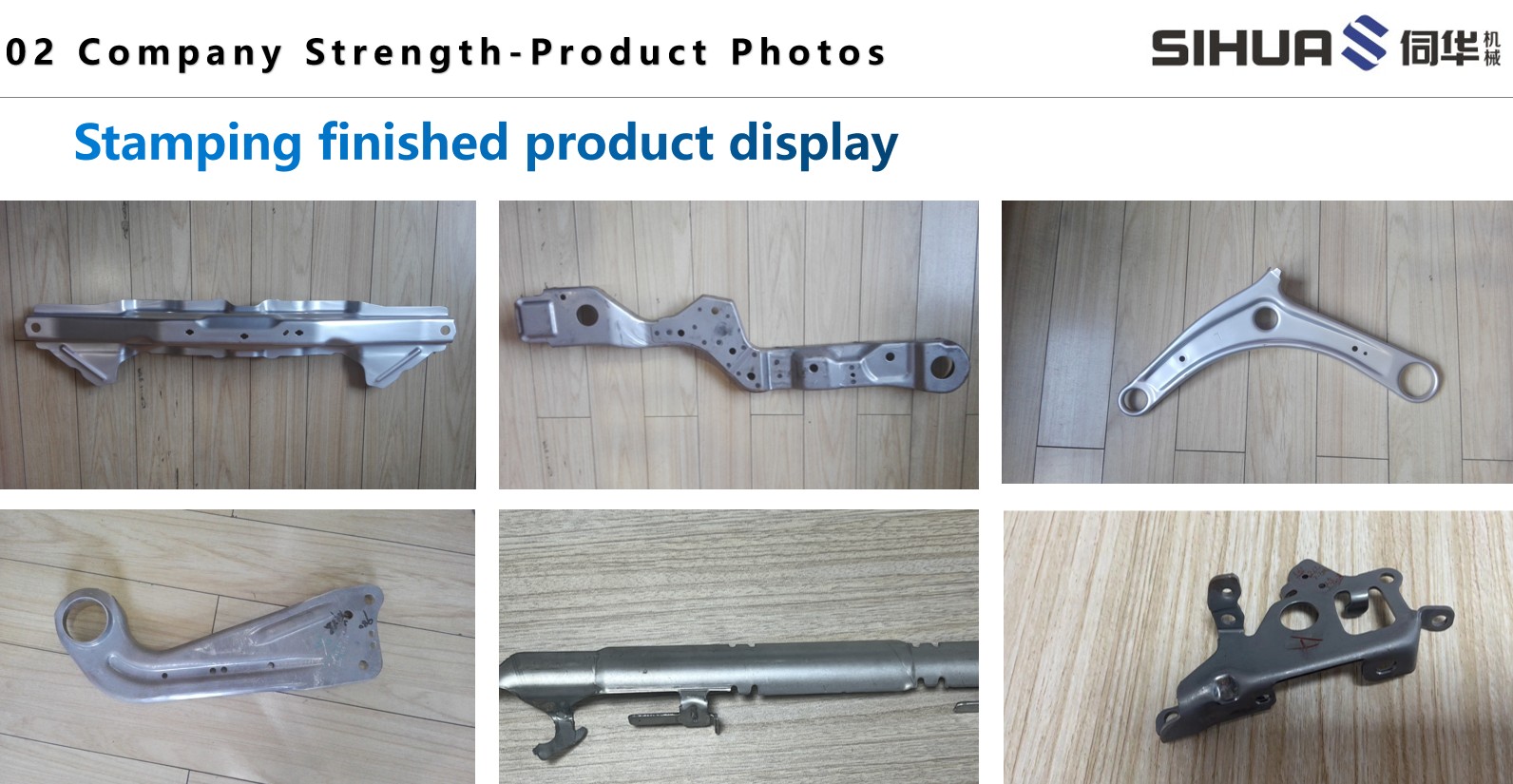 |
Product Photos Stamping finished product display |
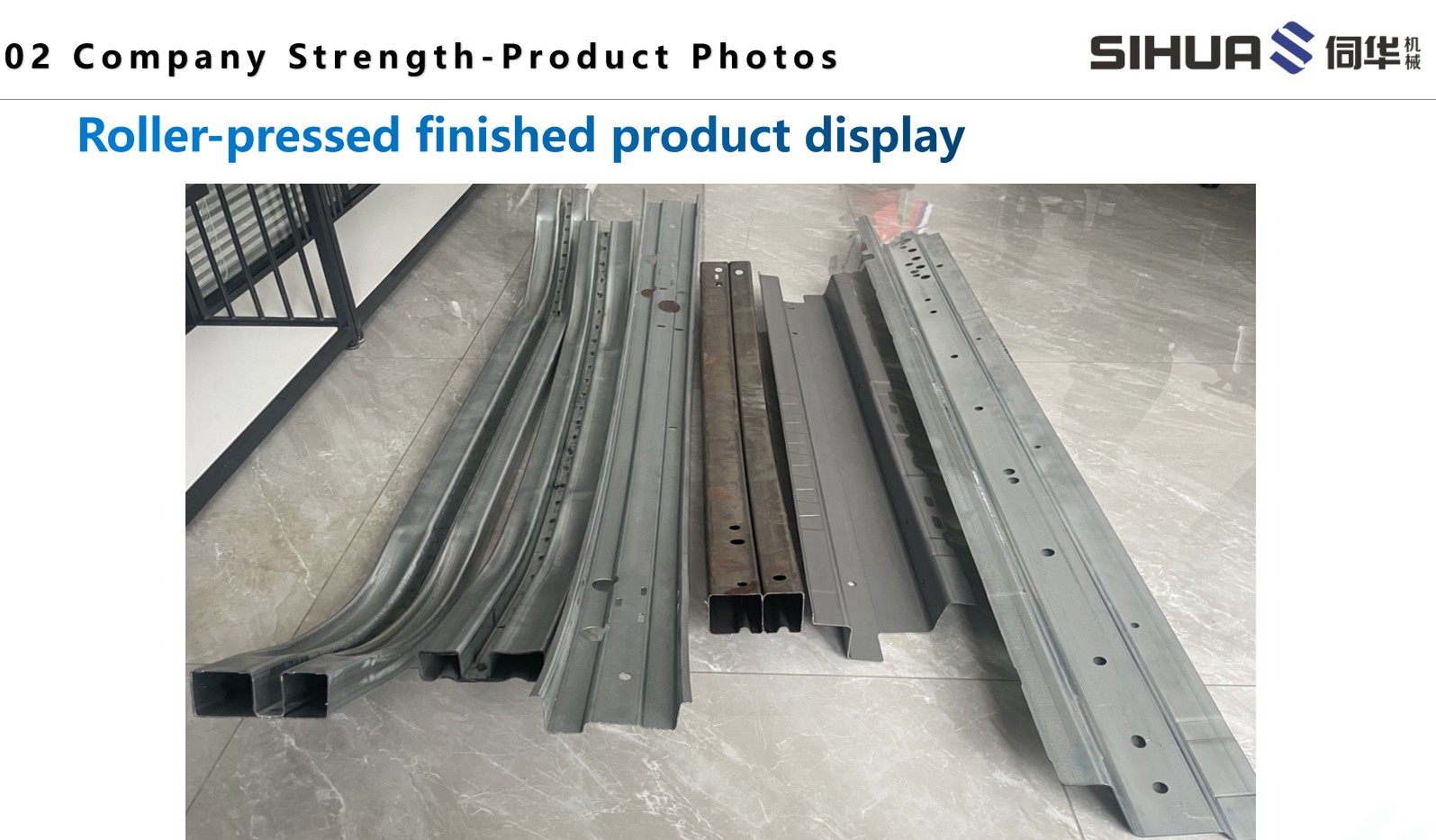 |
Product Photos Roller-pressed finished product display |
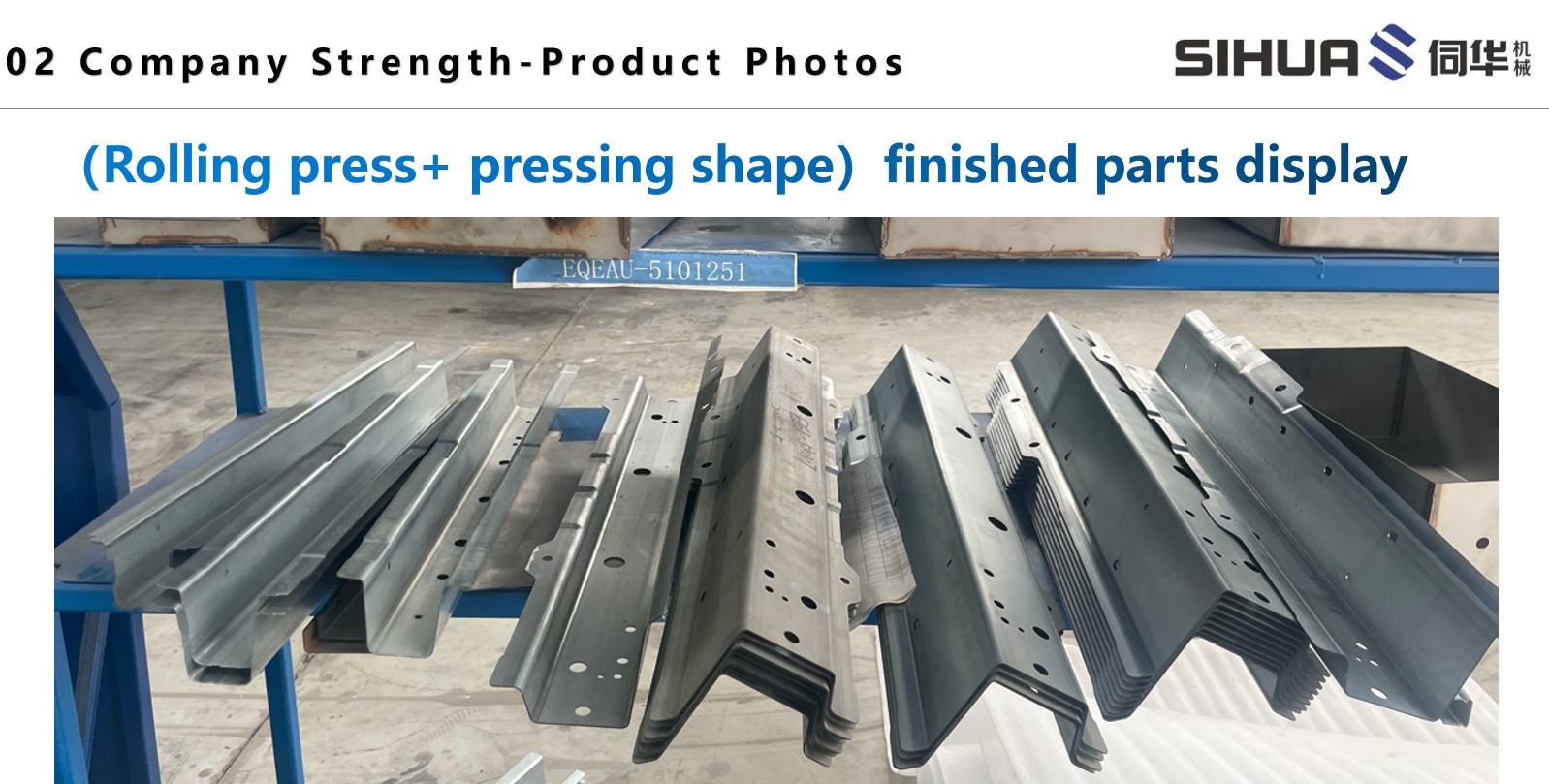 |
Product Photos (Rolling press+ pressing shape)finished parts display |
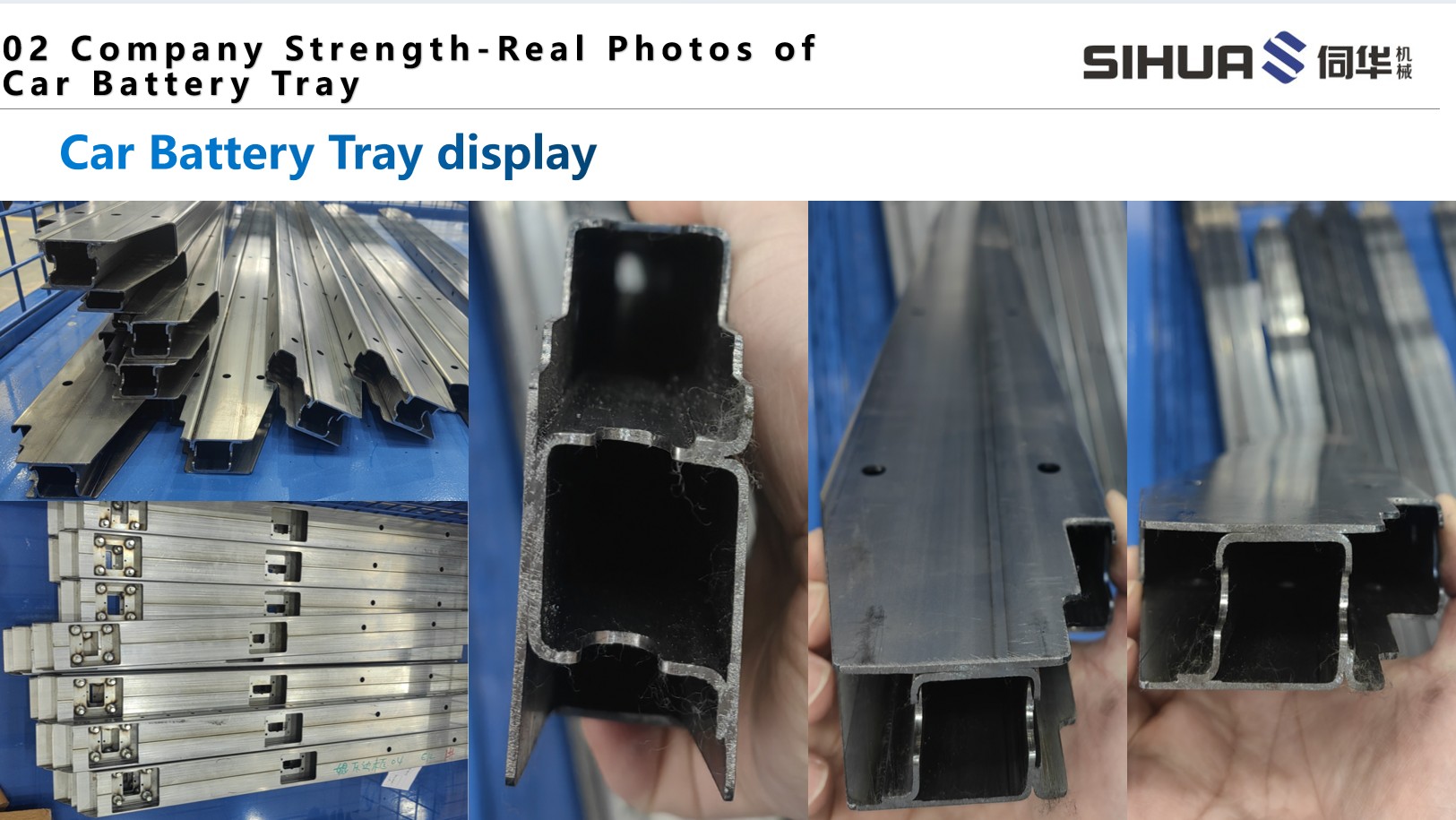 |
Real Photos of Car Battery Tray Car Battery Tray display |
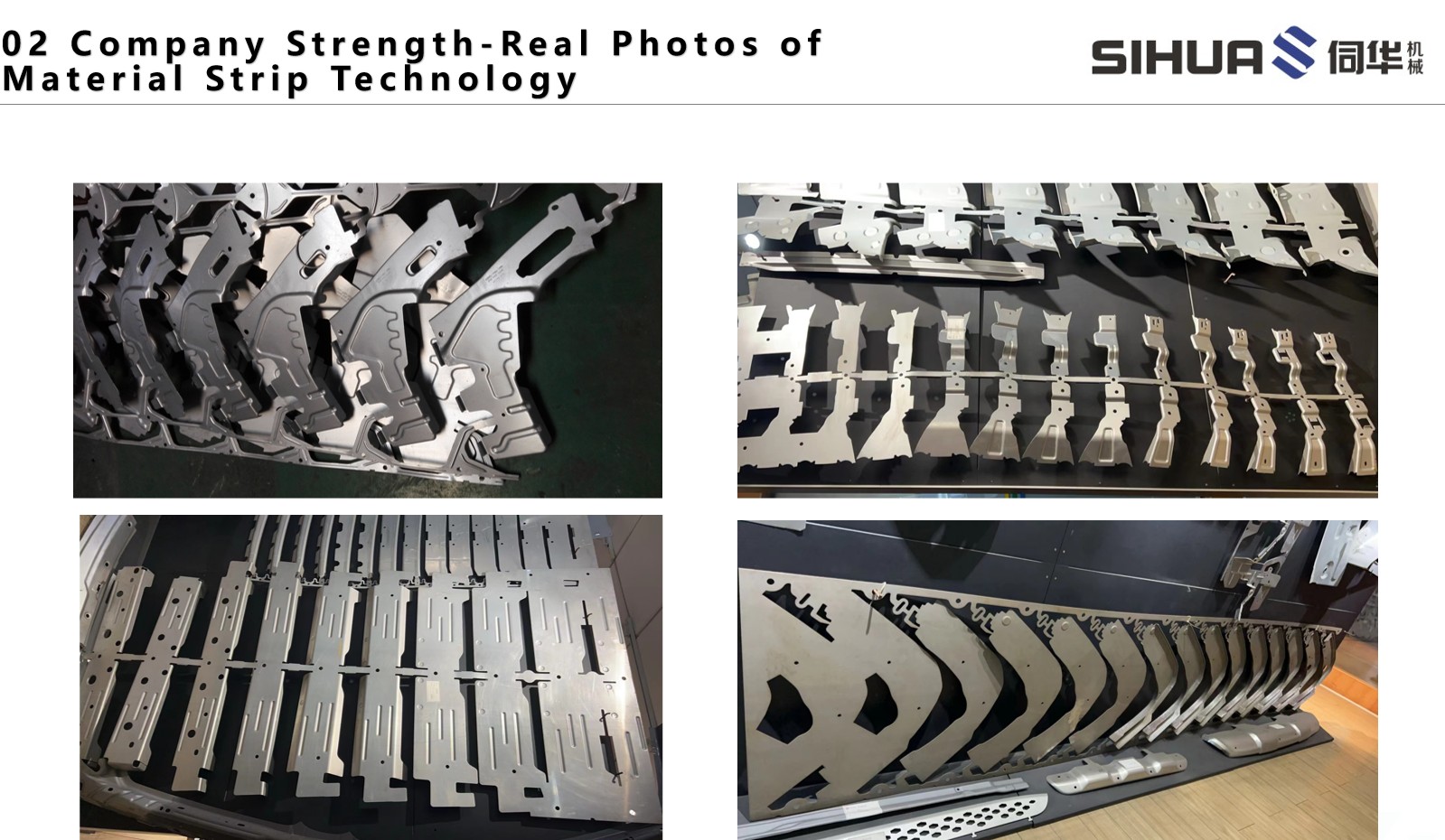 |
Real Photos of |
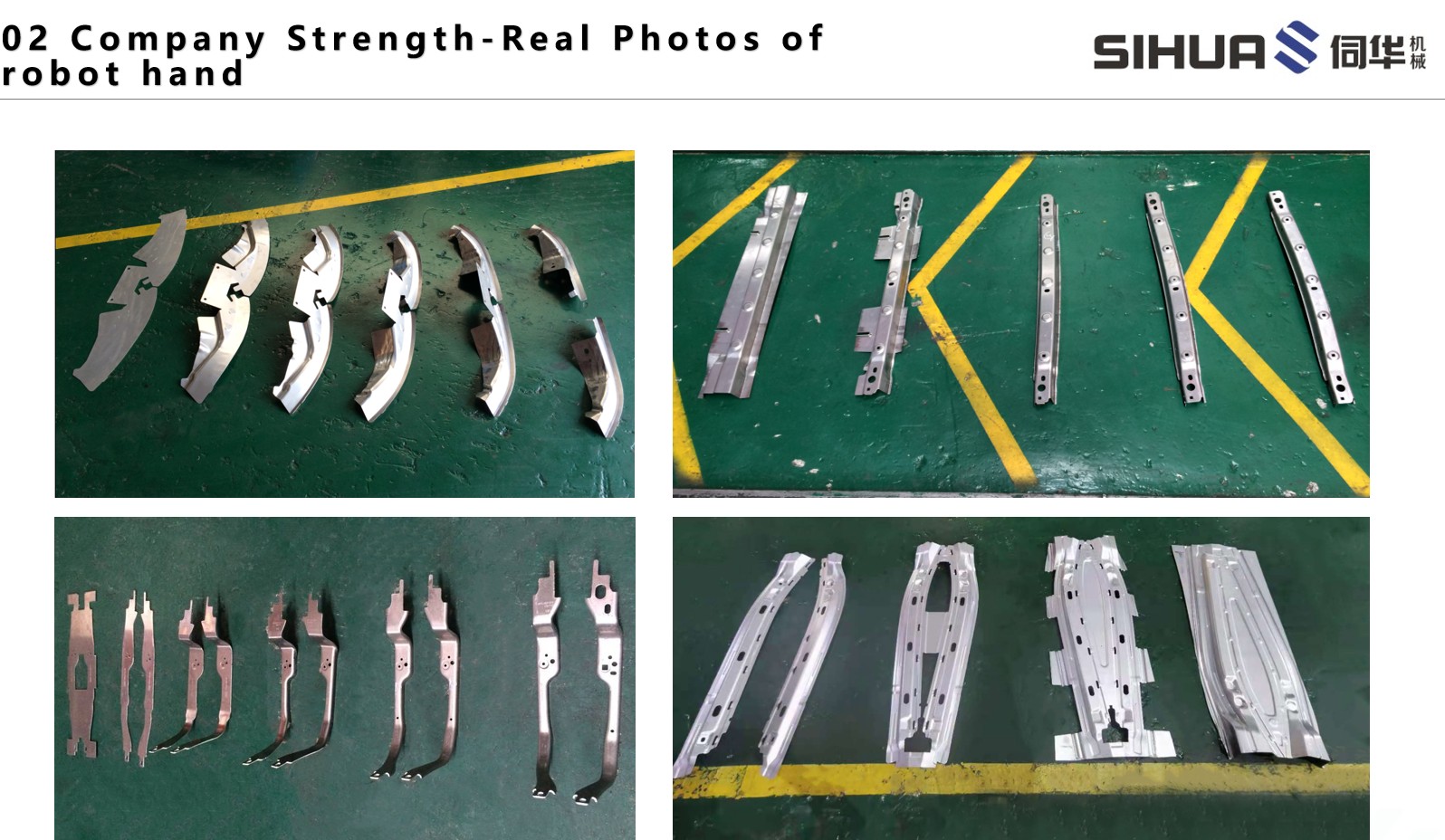 |
Real Photos of robot hand |

Service Case Show
Specializing in efficient production, helping to upgrade the global construction industry
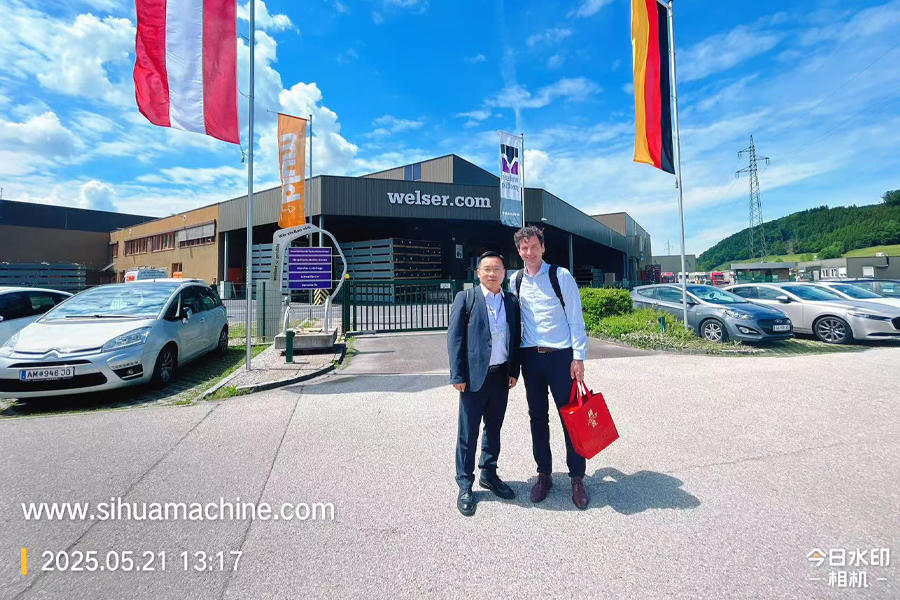
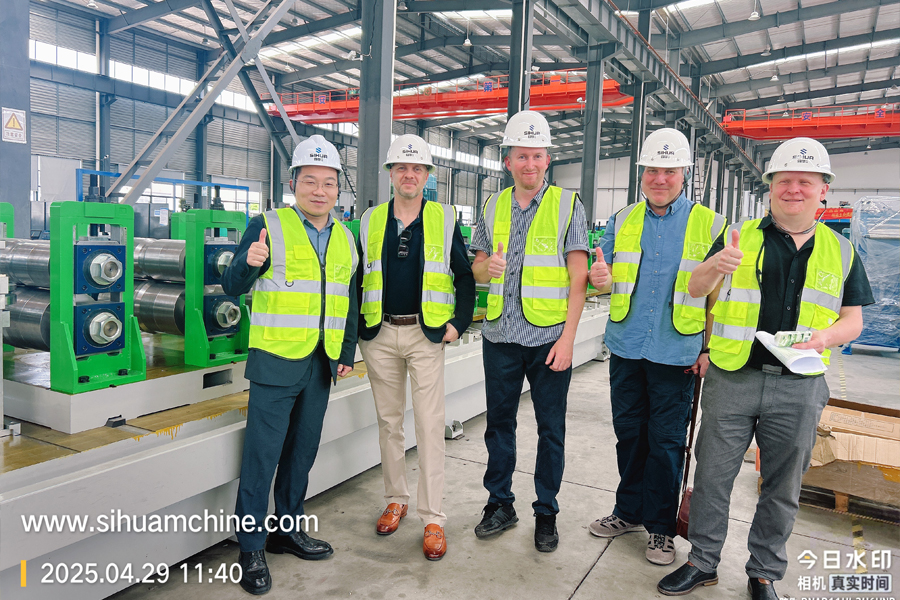
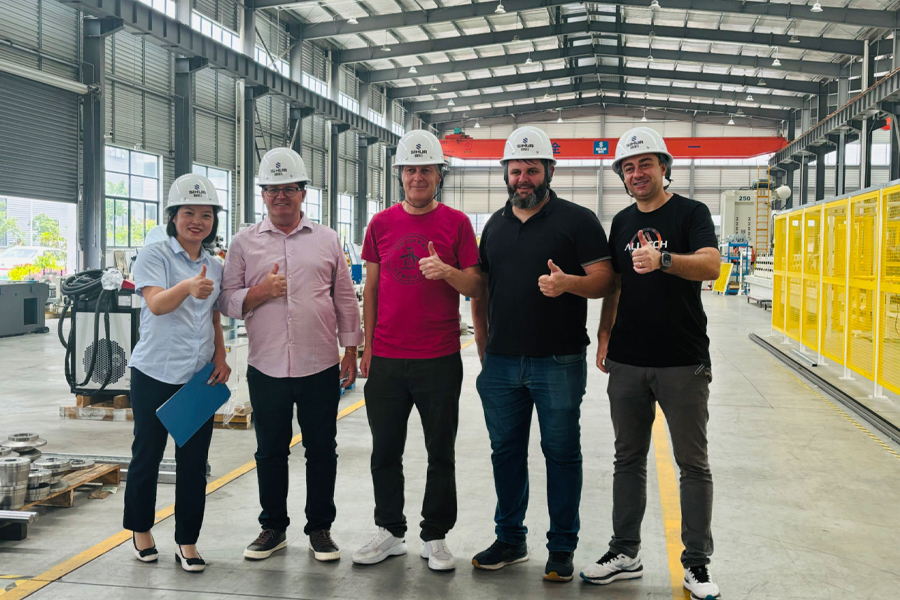



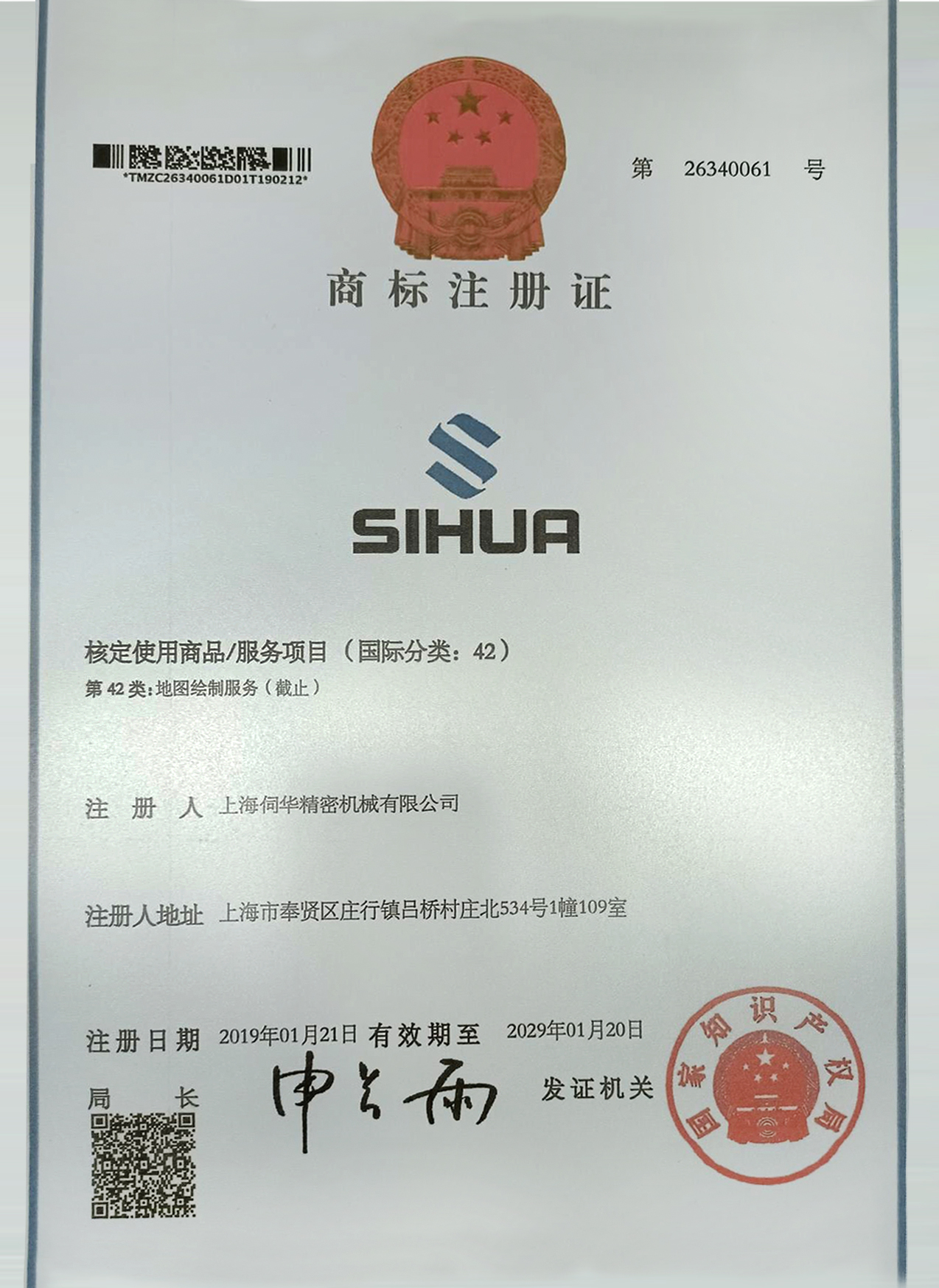



Event Name EuroBLECH 2026 (28th International Sheet Metal Working Technology Exhibition) Date 2...
READ MORECeiling T grid systems are one of the most widely used methods for creating suspended ceilings in c...
READ MORESteel fabricators bidding on a continuous-roof project usually reach the same conclusion when they...
READ MORESelecting the correct input material for a Drywall Profile Roll Forming Machine is the single most ...
READ MOREFor decades, scaffolding manufacturing relied heavily on manual labor—cutting, bending, welding, an...
READ MORE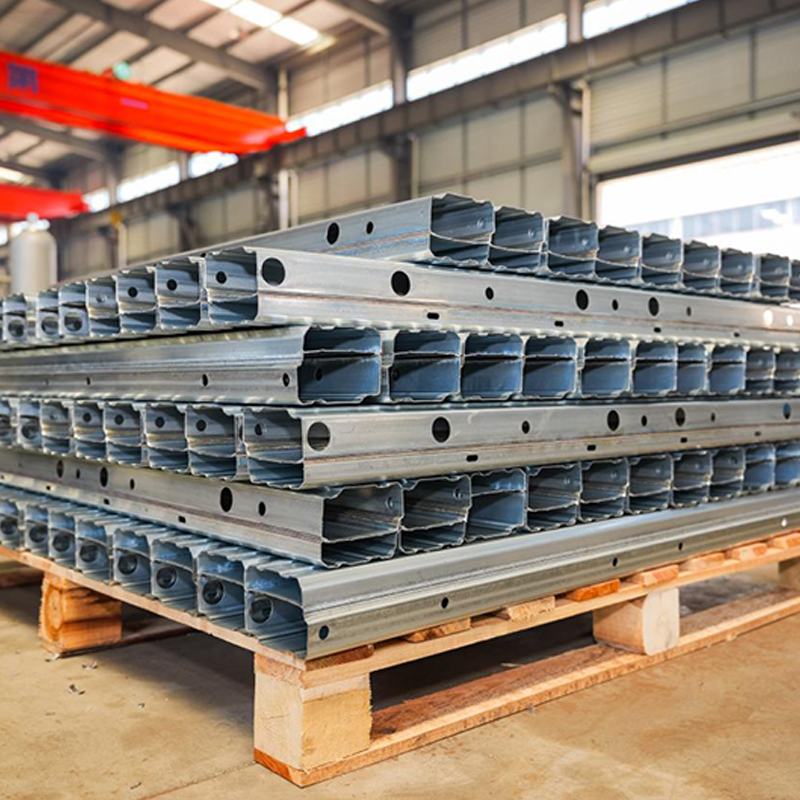
The production line for vehicle B-profile automotive chassis reinforcement...
See Details
5-ton capacity hydraulic Decoiler with wagon Energy storage Frame beam...
See DetailsWhen discussing advanced manufacturing processes in the automotive industry, the vehicle car beam bending mold plays a pivotal role in shaping the structural components of automobiles. These molds are critical in ensuring the accurate formation and durability of key structural parts such as anti-collision beams, which contribute to the safety, performance, and design of vehicles.
A vehicle car beam bending mold is a type of die used to shape automotive beams, particularly those designed to protect a vehicle during collisions. These molds are employed in a variety of manufacturing processes, including stamping, roll forming, and bending, to create beams that are essential to a car’s structural integrity. The beams formed using these molds serve critical functions such as absorbing impact, distributing force, and protecting the cabin from potential damage during accidents.
The mold itself is designed with precision to ensure high-performance standards, enabling automotive manufacturers to produce parts that meet stringent safety requirements. The bending process involved in shaping these beams can vary, depending on the design specifications, material used, and the machine setup.
The functionality of a vehicle car beam bending mold is primarily driven by its ability to precisely bend, form, and shape automotive beams in a way that maintains structural integrity while meeting safety standards. The molds are engineered to perform the following key functions:
| Function | Description |
|---|---|
| Bending Accuracy | Ensures precise bending angles for the beams to match vehicle design specifications. |
| Impact Resistance | Molds produce beams that can absorb significant collision forces, improving vehicle safety. |
| Durability | High-grade steel and specialized materials ensure the mold withstands extensive use without wear. |
| Shape Consistency | Consistently produces beams with uniform dimensions to maintain high-quality standards. |
The bending process ensures that the beams can withstand the forces exerted during a collision. Furthermore, the materials used in both the molds and the beams—typically high-strength steel—ensure that the vehicle maintains its structural integrity under stress.
Vehicle car beam bending molds are integral to the production of various automotive components. The most common application is in the production of anti-collision beams used in vehicle front and rear bumpers, door sills, and roof rails. These beams are essential for the safety of both the vehicle occupants and pedestrians. In addition to safety, these beams also contribute to the rigidity and aerodynamic performance of vehicles.
Some common automotive components produced using car beam bending molds include:
Shanghai Sihua Precision Machinery Co., Ltd., a leading manufacturer specializing in automatic high-speed flying shear roll forming machines, plays a significant role in this sector. Our vehicle high-strength steel roll forming machines and ceiling T-grid roll forming machines are used to produce vehicle beams with precision, ensuring that each part meets stringent industry standards.
The materials chosen for manufacturing vehicle car beam bending molds directly impact the quality and performance of the beams. Different materials offer varying levels of strength, flexibility, and durability, depending on the needs of the vehicle.
| Material | Properties | Applications |
|---|---|---|
| High-Strength Steel | Excellent durability and resistance to deformation | Used in high-performance anti-collision beams. |
| Alloy Steel | Provides enhanced toughness and resistance to wear | Ideal for molds subjected to high impact loads. |
| Carbon Steel | Cost-effective and capable of forming complex shapes | Commonly used for standard automotive parts. |
The high-strength steel used in the molds allows for precision shaping of the beams, ensuring their ability to absorb impact effectively. The durability of the mold material is also critical, as it determines the mold’s lifespan, which impacts the overall cost of manufacturing. Shanghai Sihua Precision Machinery Co., Ltd. leverage these materials to provide superior molds that are essential for creating automotive beams that meet safety standards.
Automated machines have revolutionized the way vehicle car beam bending molds are produced. Traditional manual processes can be slow and prone to errors, whereas automatic high-speed machines offer several advantages:
Automated systems like the flying shear roll forming machines produced by Shanghai Sihua Precision Machinery Co., Ltd. can significantly reduce production times and improve product quality.
Q1: What is the role of vehicle car beam bending molds in automotive safety?
A1: Vehicle car beam bending molds are essential in creating anti-collision beams that help protect the vehicle occupants during an accident by absorbing impact energy and reducing damage to the vehicle.
Q2: How do automatic machines improve the production of vehicle car beam bending molds?
A2: Automatic machines, such as high-speed flying shear roll forming machines, improve production efficiency by increasing accuracy, speed, and consistency, ultimately lowering production costs while ensuring high-quality products.
Q3: What materials are used to create vehicle car beam bending molds?
A3: High-strength steel, alloy steel, and carbon steel are commonly used materials for car beam bending molds. These materials provide the durability and precision necessary for the production of reliable automotive beams.
Q4: What are the primary applications of vehicle car beam bending molds?
A4: These molds are primarily used in the production of anti-collision beams, which are installed at the front, rear, and sides of vehicles to enhance crash safety. They are also used to improve the overall structural rigidity of the vehicle.
Q5: How long do vehicle car beam bending molds last?
A5: The lifespan of a vehicle car beam bending mold depends on the material used and the manufacturing conditions. Typically, high-quality molds made from high-strength steel and designed for continuous use can last for years without significant wear or failure.
In conclusion, the vehicle car beam bending mold is a crucial tool in the automotive manufacturing process, providing safety, durability, and precision to vehicle structural components. By selecting the appropriate materials and employing high-speed machines, manufacturers can produce high-quality automotive beams that meet rigorous safety and performance standards.
Don't hesitate to contact when you need us!
Contact Information
PRODUCTS
Mobile


 English
 Español
 русский