Service & Success Stories
Specializing in efficient production, helping to upgrade the global construction industry


Introduction In modern manufacturing processes, especially within the metalworking, construction, and automotive industries, heavy-duty decoilers play a crucial role in ensuring smooth and efficient o...
READ MOREThe Flying Shear Roll Forming Machine is a critical technology in modern manufacturing, combining high-speed shearing technology with roll forming. It enhances production efficiency and precision. As ...
READ MOREWhen choosing between a fully automated and a semi-automated strut channel roll forming machine, the core answer is straightforward: full automation delivers higher throughput, lower labor costs, and...
READ MORESelecting a production line for high-strength automotive components is a critical investment. Engineers and procurement managers must evaluate technology, material compatibility, precision, and long-t...
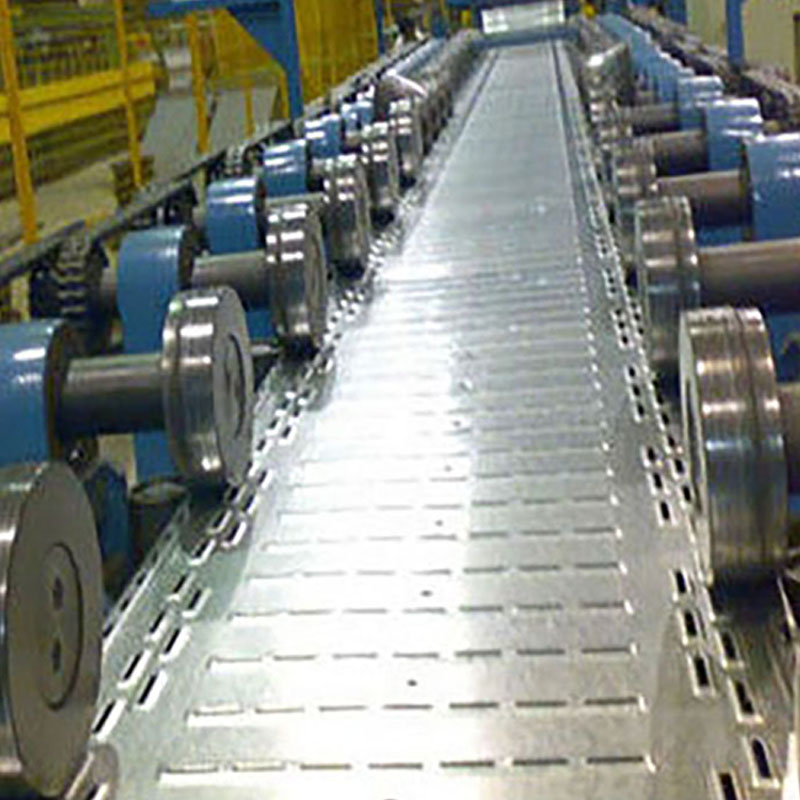
READ MOREThe Cable Tray Roll Forming Machine is an essential piece of equipment for modern construction, electrical infrastructure, and industrial manufacturing. It is designed to efficiently produce cable trays—the backbone of any organized cabling system in buildings, data centers, power plants, and industrial facilities. This guide provides a deep dive into the machine's technology, technical parameters, common operational challenges, and industry trends, incorporating expertise from leading manufacturers like Shanghai Sihua Precision Machinery Co., Ltd.
A cable tray roll forming machine is a continuous production line that transforms metal coils—such as galvanized steel, aluminum, or stainless steel—into finished cable trays. The process involves uncoiling, leveling, roll forming (bending the metal through a series of progressive rollers), punching (for perforated trays), and cutting to length, all integrated into a single automated system [citation:3][citation:9].
| Category | Details |
|---|---|
| Product Name | Cable Tray Roll Forming Machine |
| Core Function | To automatically and continuously form metal coils into cable trays for supporting and protecting electrical cables in buildings, industrial facilities, and infrastructure projects. |
| Key Technology | Automatic high-speed flying shear roll forming technology. This integrates the forming process with a flying shear that cuts the profile to length on-the-fly, ensuring high efficiency and precision [citation:3]. |
| Primary Applications | Producing various types of cable trays, including solid bottom, perforated, ladder type, and channel trays for the construction and industrial sectors [citation:9][citation:10]. |
| Main Features |
|
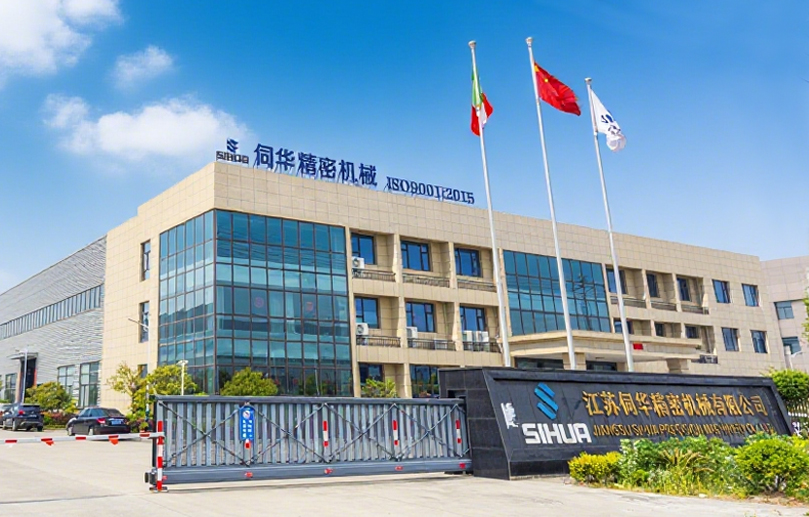
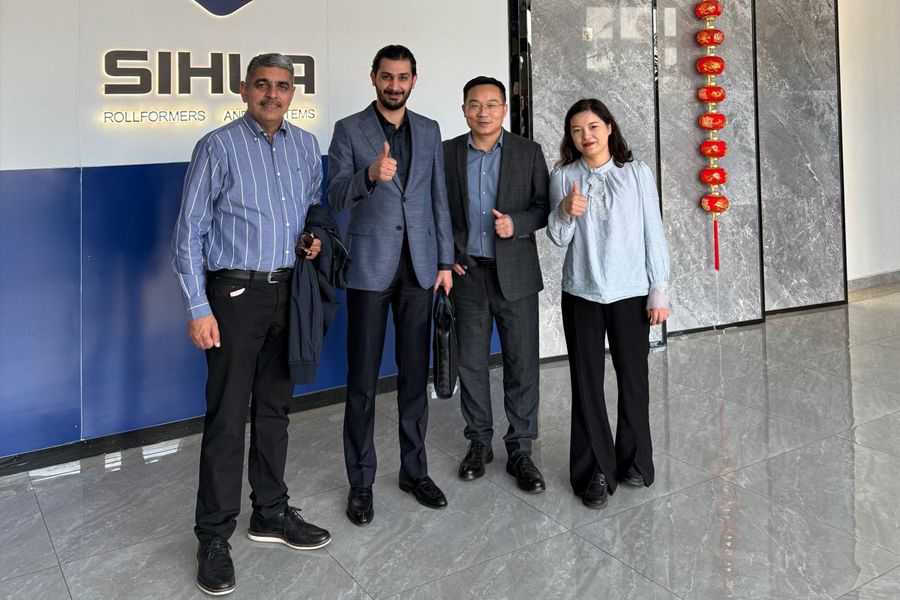
| Manufacturer | Shanghai Sihua Precision Machinery Co., Ltd., a professional manufacturer specializing in R&D of automatic high-speed flying shear roll forming machines. |
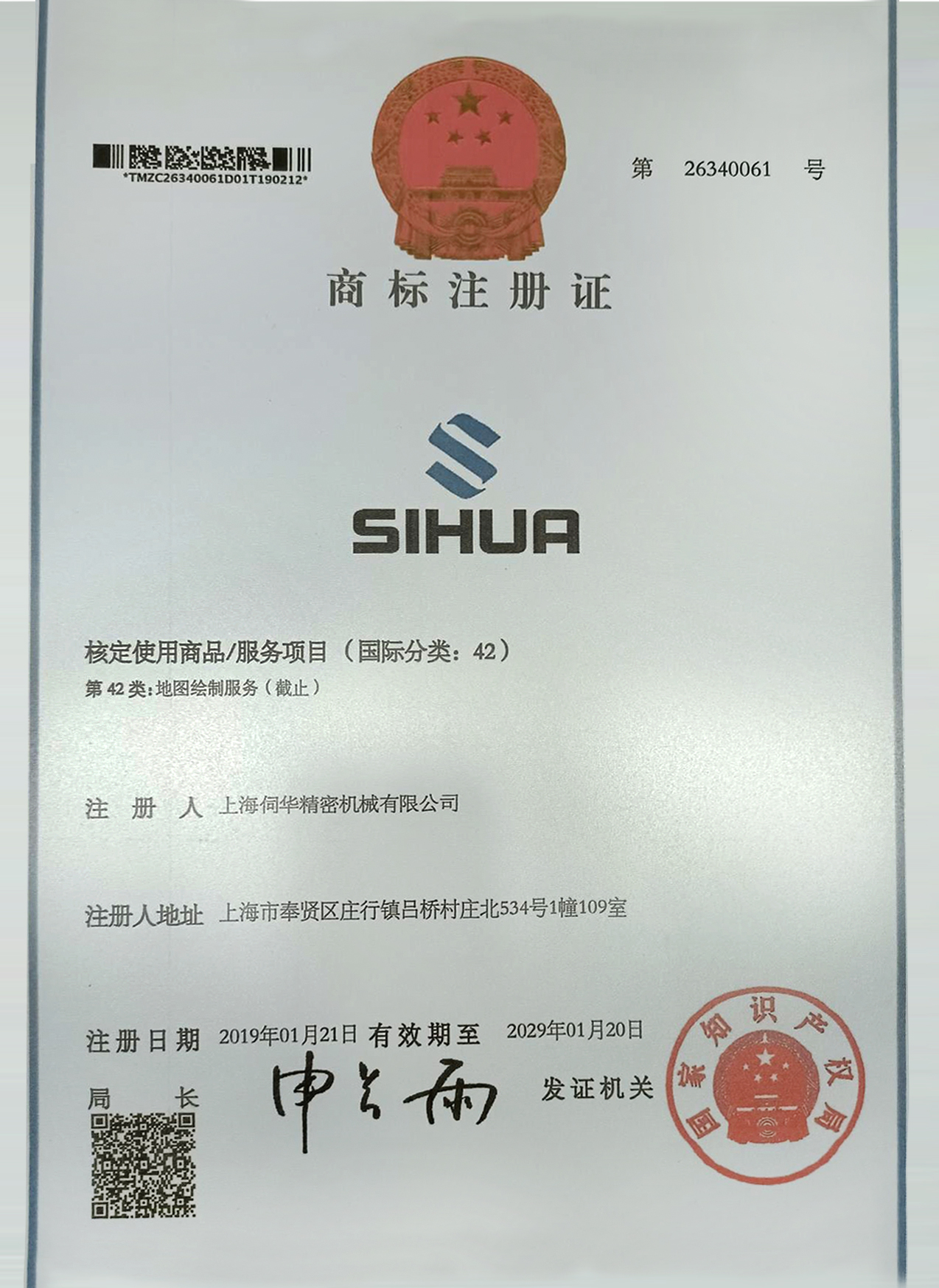
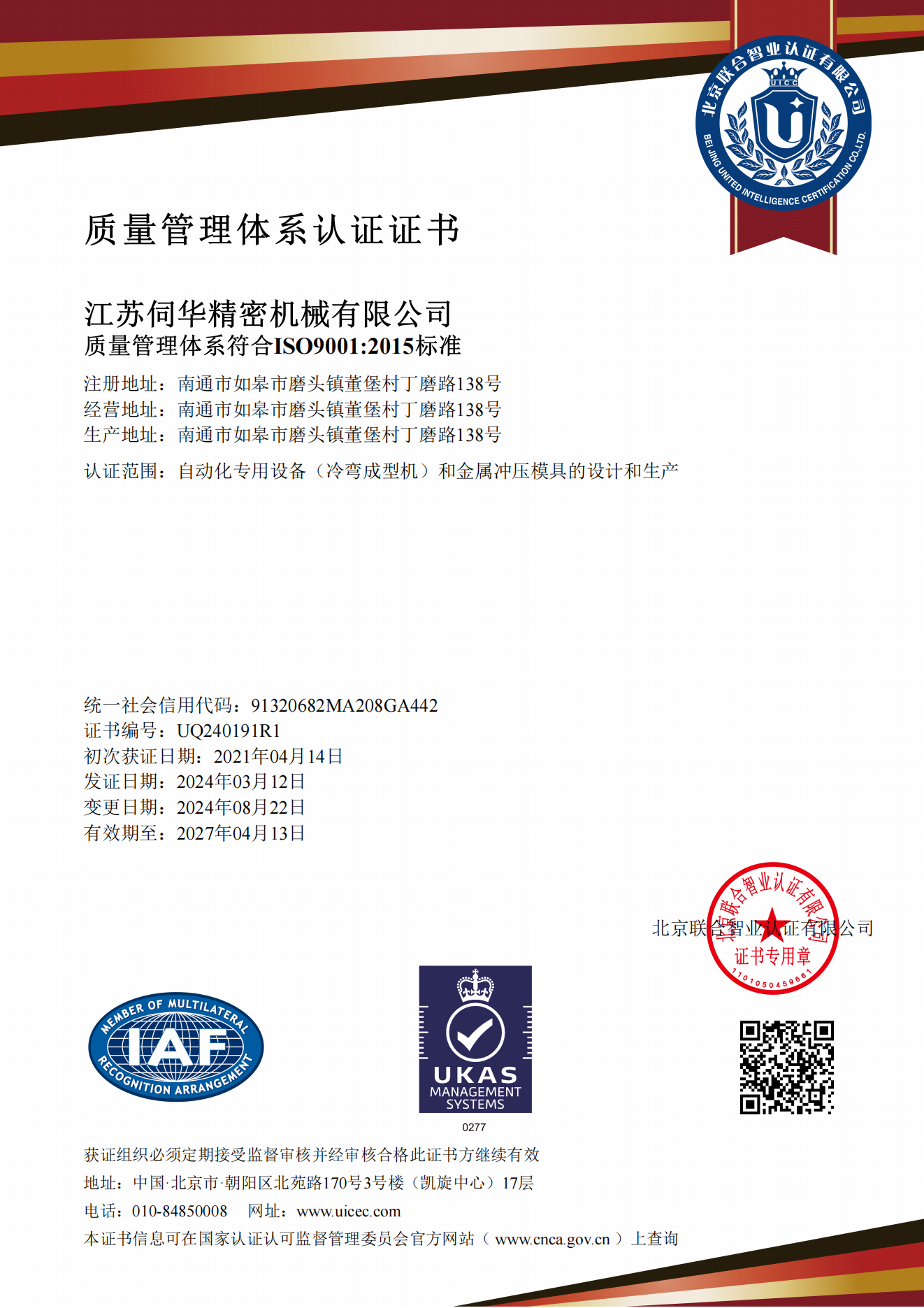
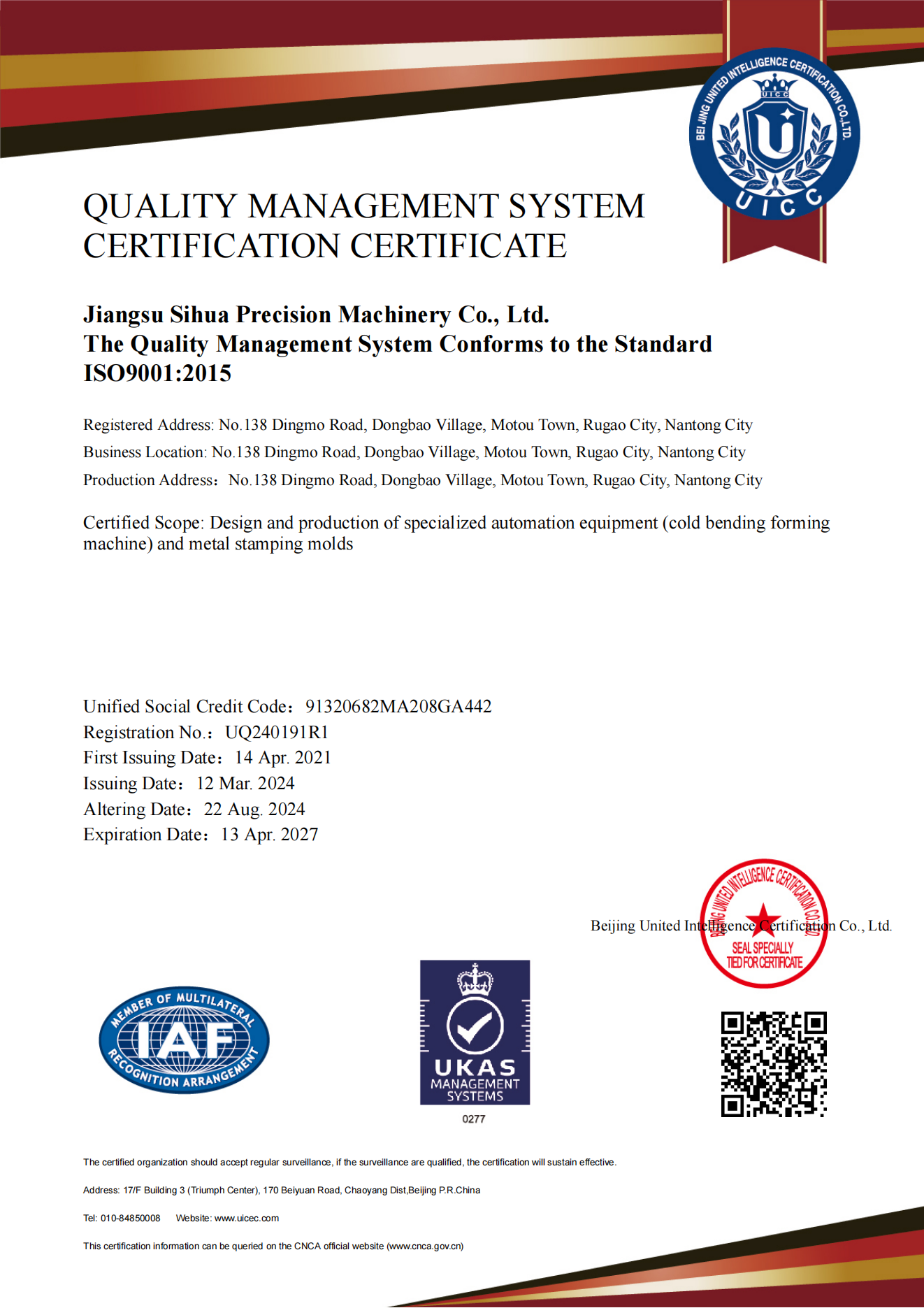
| Company Expertise | The company holds 42 utility model patents and 11 invention patents, highlighting its focus on innovation and precision engineering. Their product range includes various roll forming lines for construction and automotive sectors. |
Understanding the key technical parameters is crucial for selecting the right machine and optimizing production. The following tables compile data from industry standards and manufacturer specifications.
| Parameter | Typical Specification Range |
|---|---|
| Material Types | Galvanized Steel (GI), Pre-galvanized Steel, Aluminum, Mild Steel (Q235), Stainless Steel [citation:3][citation:7]. |
| Material Thickness | 0.5 mm to 3.0 mm, depending on the application. Common ranges: 0.8–2.0 mm for standard trays, up to 2.5–3.0 mm for heavy-duty industrial trays [citation:3][citation:5][citation:10]. |
| Material Width (Strip) | 100 mm to 1000 mm, based on the unfolded width of the tray profile [citation:3]. |
| Material Yield Strength | Up to 350 MPa (50 ksi) for standard high-strength applications [citation:3]. |
| Parameter | Typical Specification Range |
|---|---|
| Production Speed | 10 to 30 meters per minute, depending on profile complexity and punching operations. High-speed models can reach up to 20 m/min [citation:3][citation:5][citation:8]. |
| Number of Forming Stations | 18 to 28 stations, depending on the complexity of the cable tray profile and size [citation:3]. |
| Roller Material & Treatment | GCr15 (bearing steel) or high-tensile 45# steel, hardened, precision ground, and often hard chrome plated for wear resistance [citation:3][citation:7]. |
| Main Drive Power | 11 kW to 22 kW, depending on line configuration and material thickness [citation:3][citation:7]. |
| Cutting Method | Hydraulic post-cutting or high-speed flying shear. Blade material is typically heat-treated Cr12MoV [citation:3]. |
| Length Tolerance | ±1.0 mm to ±1.5 mm for standard production [citation:3]. |
| Punching Accuracy | Servo-controlled punching systems can achieve accuracies of ±0.15 mm [citation:7]. |
| Parameter | Typical Specification Range |
|---|---|
| Control System | Advanced PLC with a user-friendly HMI touchscreen (e.g., Siemens, Delta, Mitsubishi). This allows for storing multiple part recipes, real-time parameter adjustment, and integrated fault diagnosis [citation:3][citation:9]. |
| Operating Mode | Automatic with manual override for setup and troubleshooting [citation:3]. |
| Decoiling System | Manual or hydraulic uncoiler with a capacity of 3 to 5 tons [citation:3]. |
| Safety Features | Full protective covers/guards, emergency stop buttons, and overload protection systems [citation:3]. |
Like any complex machinery, cable tray roll forming lines can encounter operational issues. Regular maintenance and a clear understanding of common faults are key to ensuring consistent and efficient production [citation:2][citation:4][citation:6].
| Common Fault | Possible Causes | Solutions |
|---|---|---|
| Machine Not Starting / Sudden Stoppage | Power supply issues, tripped circuit breakers, faulty emergency stop switch, or PLC control system failure [citation:2][citation:4]. | Check power source and circuit breakers. Reset the emergency stop. Inspect and reboot the PLC system. Examine electrical connections for looseness or damage [citation:2][citation:4]. |
| Roller Misalignment | Wear and tear on rollers, improper initial installation, or vibration during operation [citation:2]. | Regularly inspect rollers for wear and replace if necessary. Use alignment tools to adjust and secure the roller assembly. Tighten all mounting bolts [citation:2]. |
| Inconsistent Cutting Length | Misalignment of the cutting unit, faulty sensors, incorrect PLC settings, or worn cutting blades [citation:2][citation:4]. | Check and adjust the cutting unit alignment. Verify PLC program for correct length settings. Calibrate or replace length measuring devices. Inspect and replace dull or damaged blades [citation:2][citation:4]. |
| Material Jams / Feeding Problems | Poorly aligned feeding system, debris in the feed path, or incorrect material specifications [citation:2]. | Align the feeding system and adjust tension. Regularly clean the feed path. Ensure material thickness and width meet machine specifications [citation:2]. |
| Poor Product Quality / Deformation | Roller misalignment, incorrect forming pressure, or inconsistent material tension [citation:2]. | Re-align rollers and adjust forming pressure. Ensure consistent material tension throughout the process. Verify machine settings match the desired profile [citation:2]. |
| Punching Position Inaccuracy | Loose or damaged punching mold, shifting material position, or control system signal errors [citation:4]. | Tighten or replace the punching mold. Adjust material guiding devices. Calibrate or replace sensors in the control system [citation:4]. |
Production speeds can vary significantly based on the machine's configuration and the complexity of the tray being produced. For standard solid or perforated cable trays, modern machines typically operate at line speeds between 10 and 20 meters per minute [citation:3][citation:5]. High-speed models or those producing simpler profiles can reach speeds of up to 30 m/min [citation:8]. However, the effective output also depends on factors like the frequency of punching operations and the cut length, which are seamlessly managed by the PLC-controlled system to maintain overall efficiency.
The choice depends entirely on your target market and the types of cable trays you plan to manufacture.
A versatile machine, such as those offered by experienced manufacturers, may offer a dual-range capability or an adjustable system to handle a wider spectrum of projects [citation:10].
The most frequent quality issues are inconsistent dimensions (like twisting or bowing) and inaccurate cut lengths or hole patterns. These are often caused by roller misalignment, improper material tension, or worn tooling [citation:2][citation:4]. Prevention involves a strict maintenance routine: regularly inspect and align rollers, ensure consistent tension from the uncoiler to the run-out table, and keep cutting and punching tools sharp and properly secured. Investing in a machine with a robust PLC control system also helps maintain consistency by automatically monitoring and adjusting key parameters [citation:3][citation:10].
Yes, many modern cable tray roll forming machines are designed with flexibility in mind. They often feature adjustable rollers or quick-change tooling systems that allow operators to switch between different profile widths and heights with minimal downtime [citation:5][citation:9]. Some advanced cantilevered designs can have their width adjusted automatically via the electronic controller [citation:7]. However, the range of adjustment is limited by the machine's original design; for drastically different sizes, additional sets of rollers or a different line configuration may be required.
Reputable manufacturers typically offer a comprehensive support package. This usually includes:
It's always advisable to clarify these points with the manufacturer, such as Shanghai Sihua Precision Machinery Co., Ltd., before finalizing a purchase.
Don't hesitate to contact when you need us!
Contact Information
PRODUCTS
Mobile


 English
 Español
 русский