Content
The Flying Shear Roll Forming Machine is a critical technology in modern manufacturing, combining high-speed shearing technology with roll forming. It enhances production efficiency and precision. As industrial demands evolve, especially the increasing need for automation, flexibility, and high precision in production lines, the Flying Shear Roll Forming Machine has become indispensable in many industries.
High-speed shearing technology can precisely cut metal materials in a very short time, reducing waste and improving processing accuracy. As a representative of this technology, the Flying Shear Roll Forming Machine utilizes its stability and efficiency in high-speed forming processes, widely applied in industries like construction, automotive, and home appliances. This article will explore the working principles, advantages, and applications of the Flying Shear Roll Forming Machine in modern manufacturing, while forecasting future trends.
The core principle of the Flying Shear Roll Forming Machine is to combine high-speed shearing with roll forming, improving production efficiency and processing precision. In this process, materials are precisely sheared in high speed and then further formed through the roll forming equipment to complete the required metal parts or components. The detailed working process is as follows:
The metal strip is pulled out from the material coil and fed into the starting position of the roll forming machine through an automatic feeding system. The material can be steel strip, aluminum strip, or other metal sheets, with width and thickness adjustable according to production needs.
After entering the Flying Shear Roll Forming Machine, the metal material first goes through several roll forming processes. The rollers apply pressure to the metal material according to preset mold designs, gradually forming the desired shape. During roll forming, the material undergoes continuous bending and pressing to form a stable geometric shape.
Once the material reaches the desired length, the flying shear system automatically performs high-speed shearing. The flying shear device precisely controls the system, cutting the material as needed, ensuring each product's length and quality meet the standards. The shearing process is completed in a very short period of time to avoid affecting the production line's efficiency.
The Flying Shear Roll Forming Machine is equipped with an advanced automated control system, including PLC (Programmable Logic Controller) and HMI (Human-Machine Interface), ensuring accurate control and quick response for each operation. The system monitors the material's running status, shearing process, roll forming effects, and other data in real time, enabling automated management of the production line.
Through this process, the Flying Shear Roll Forming Machine efficiently completes the continuous processing of metal materials, enhancing both production speed and product precision. Compared to traditional forming or shearing methods, the combination of these processes significantly improves efficiency and quality, making it ideal for industries requiring high precision, high speed, and large-scale production.
High-speed shearing technology applied in the Flying Shear Roll Forming Machine has significant advantages, especially in improving production efficiency and reducing production costs.
High-speed shearing technology can complete the cutting of metal materials in an extremely short time, with speeds often reaching hundreds or even thousands of meters per minute. This allows the Flying Shear Roll Forming Machine to perform large-scale production efficiently, particularly for continuous operations that require long hours. The speed advantage is especially prominent in such scenarios.
Traditional shearing processes often result in material waste, especially when processing thicker metals. High-speed shearing technology ensures minimal material waste through precise control during the cutting process. The flying shear system calculates the required length for each cut and reduces waste caused by errors, thus improving material utilization.
In traditional mechanical processing, shearing and forming accuracy can be affected by mechanical wear and human error. High-speed shearing technology, however, employs modern sensors and control systems to monitor every detail of the cutting process in real-time, ensuring micrometer-level accuracy in the finished product. This is especially important in the production of high-precision metal components.
Another advantage of high-speed shearing technology is reduced mechanical wear. Compared to traditional cutting tools, the blades or cutting devices in the flying shear system are typically made from high-hardness materials, providing a longer service life. Additionally, the precise control system automatically adjusts the cutting force, further reducing equipment wear and maintenance needs, thus lowering overall operational costs.
High-speed shearing technology can process a wide range of metal materials, including steel, aluminum, copper, and more. This enables the Flying Shear Roll Forming Machine to be used in various industries such as construction materials production, automotive parts processing, and home appliance manufacturing. The ability to handle different materials is another advantage of high-speed shearing technology.
With these advantages, the Flying Shear Roll Forming Machine, supported by high-speed shearing technology, significantly improves production line efficiency and quality, meeting the modern industrial demands for efficient, precise, and cost-effective production.
Roll forming technology, as one of the core technologies of the Flying Shear Roll Forming Machine, has undergone several years of development and continues to evolve toward higher efficiency and precision. Over the past few decades, continuous roll forming equipment has undergone continuous innovation to meet the needs of different materials and industries.
Continuous roll forming equipment uses multiple rollers to apply pressure to metal strips, gradually forming the desired shape. The number, shape, and arrangement of the rollers are determined according to specific requirements. By continuously adjusting molds and pressure, different specifications and shapes of metal components are formed.
Modern continuous roll forming equipment is no longer a single processing method but a multifunctional production line system. It can be adjusted according to production needs to process materials of different sizes, shapes, and thicknesses. Especially in the construction and automotive industries, the flexibility of roll forming equipment allows it to handle various complex metal components, meeting high-quality production requirements.
With the development of intelligent manufacturing, automation control systems have become standard configurations for continuous roll forming equipment. Through sensors, PLC control systems, and CAD (Computer-Aided Design) systems, the production line can monitor various parameters during the processing, automatically adjusting roller pressure, speed, and other factors to ensure precision and consistency in the forming process.
With increasing global environmental demands, energy efficiency and environmental protection have become important directions for the development of continuous roll forming equipment. New roll forming technologies adopt more energy-efficient electric drive systems and reduce energy consumption by optimizing the process flow. Moreover, efficient cooling systems and waste gas recovery technologies effectively reduce energy consumption and emissions during production.
Continuous roll forming equipment has significantly optimized production processes, improving production efficiency while lowering costs. For example, reducing downtime, optimizing raw material utilization, and enhancing equipment stability all contribute to the overall effectiveness of the production line.
With these innovations, continuous roll forming equipment not only meets the needs of traditional industries but also adapts to increasingly complex market environments, providing more efficient and precise technological support for the Flying Shear Roll Forming Machine.
As manufacturing technology develops, especially with the growing demand for product precision, performance, and design diversification, customized shearing solutions have become an essential part of production in various industries. The customized shearing solutions of the Flying Shear Roll Forming Machine not only meet individualized production needs but also improve efficiency, reduce costs, and minimize unnecessary waste.
As global manufacturing upgrades, the demand for customized shearing solutions will continue to grow. In large-scale production and high-precision manufacturing, customized shearing solutions will become key to improving competitiveness. By integrating modern automation and intelligence, customized shearing solutions will be more flexible and efficient, meeting the ever-changing market needs.
The fully automatic flying shear system is an important technological innovation in the Flying Shear Roll Forming Machine, significantly improving production efficiency and processing precision through intelligent and automated control. The automation of the flying shear system solves the bottleneck of traditional manual operations and demonstrates great potential in many industries.
Fully automatic flying shear systems rely on highly accurate PLC control systems and real-time sensor data monitoring, allowing precise control of cutting lengths. The system automatically adjusts cutting times and positions, ensuring that each cut meets the required standards.
With the continuous advancement of industrial manufacturing technology, precision metal forming equipment is evolving toward higher efficiency, greater precision, and more environmentally friendly designs. The Flying Shear Roll Forming Machine, as one of the representative precision metal forming equipment, is also continuously upgrading, driving the entire industry towards more intelligent and automated directions.
With the arrival of Industry 4.0, intelligent manufacturing has become the core trend in the development of precision metal forming equipment. The Flying Shear Roll Forming Machine will further integrate artificial intelligence and machine learning technologies to achieve self-optimization and self-adjustment, improving production efficiency and product quality.
In the future, energy efficiency and environmental protection will be important directions for the development of precision metal forming equipment. Through the use of high-efficiency electric drive systems and optimized cooling and waste recycling technologies, the Flying Shear Roll Forming Machine will reduce energy consumption and emissions, helping enterprises achieve sustainable development.
In the future, precision metal forming equipment will not be limited to traditional industries but will expand into aerospace, energy, and medical fields. These industries have higher requirements for metal forming precision and performance, and the Flying Shear Roll Forming Machine will optimize its design to meet the needs of emerging industries.
The Flying Shear Roll Forming Machine, as a key technology in modern manufacturing, is leading the transformation of industries by combining high-speed shearing technology with precision metal forming capabilities. Supported by innovations such as fully automatic flying shear systems and customized shearing solutions, the machine improves production efficiency, reduces waste, and increases precision. Looking ahead, the Flying Shear Roll Forming Machine will play an even greater role in various industries, driving global manufacturing toward more efficient and sustainable practices.
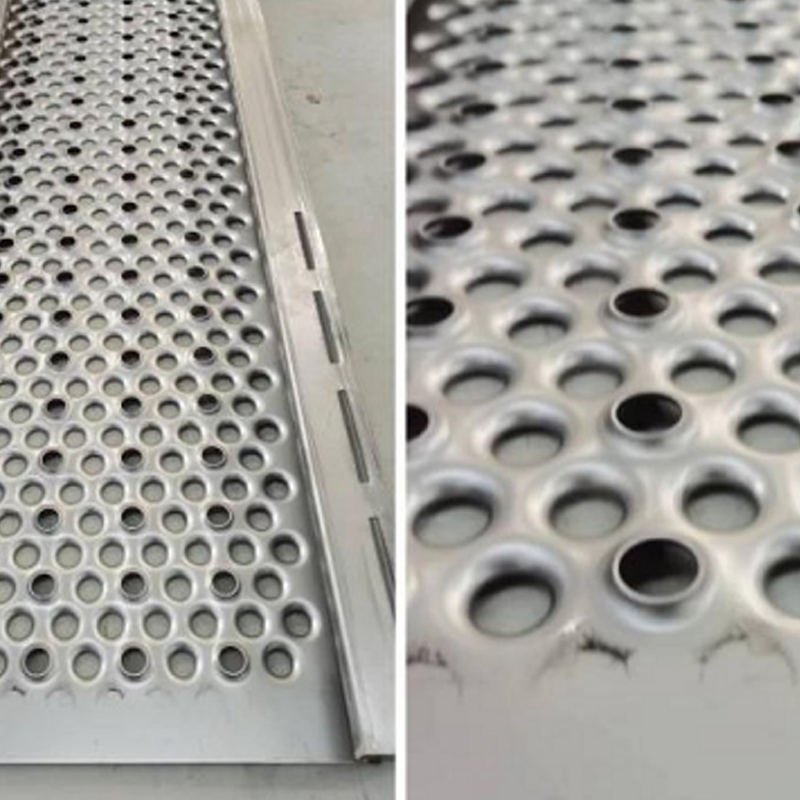
Metal Scaffold decking roll forming machine Shaft diameter: 70–80 mm; scaffold decking length: 0.5–6 m; thickness: 1–2.5 mm. Equipment layout diagram.We welcome you to send us your factory's...
See Details
wide material single decoiler Leveling machine and Machine for punching small holes on both sides All the upper and lower rollers are connected to a worm gear reducer.This makes the for...
See Details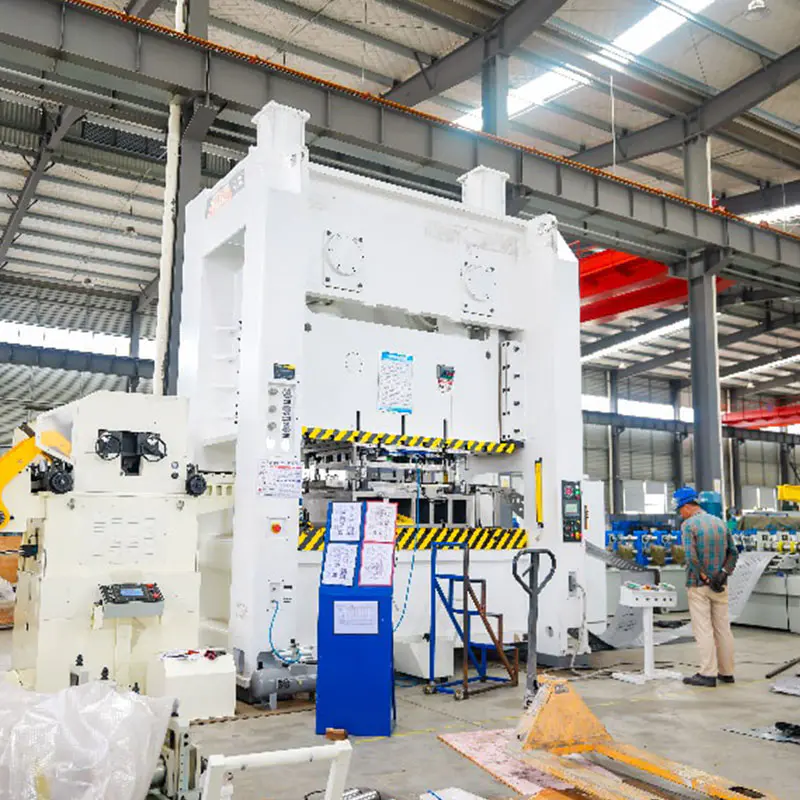
Decoiler System 3-in-1 Decoiler Straightener Feeder Capacity: 5 tons hydraulic coil mandrel expansion, servo feeding & straightening. Punching machine 400 Ton Power Press Capacity: ...
See Details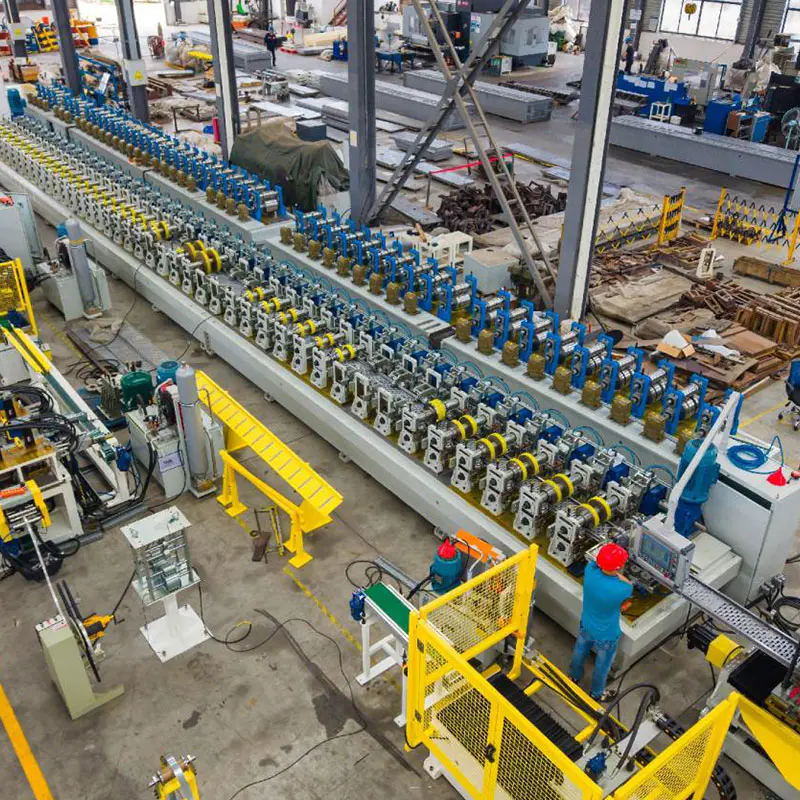
Decoiler System COMBI 3/1 decoiler lever and feeder Capacity: 3-8 tons high feeding accuracy, fully automatic operation, widely used for metal coil stamping Punch Press Unit Punching fo...
See Details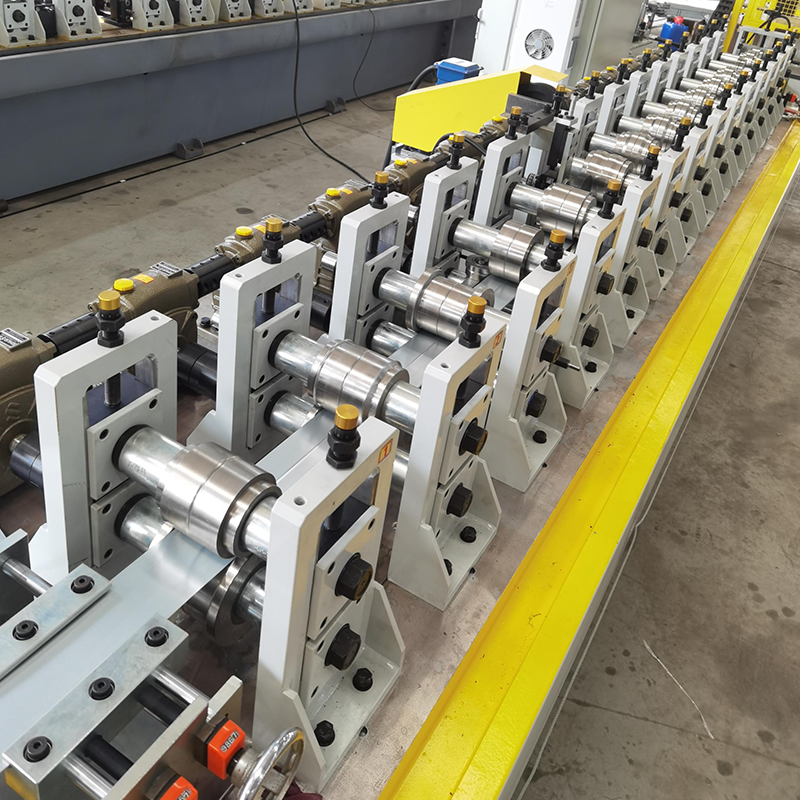
Drywall worm gear reducer roll forming machine, simple model, not a quick-change cassette type, economical and affordable. (It can be upgraded to a quick-change cassette type which can produce di...
See Details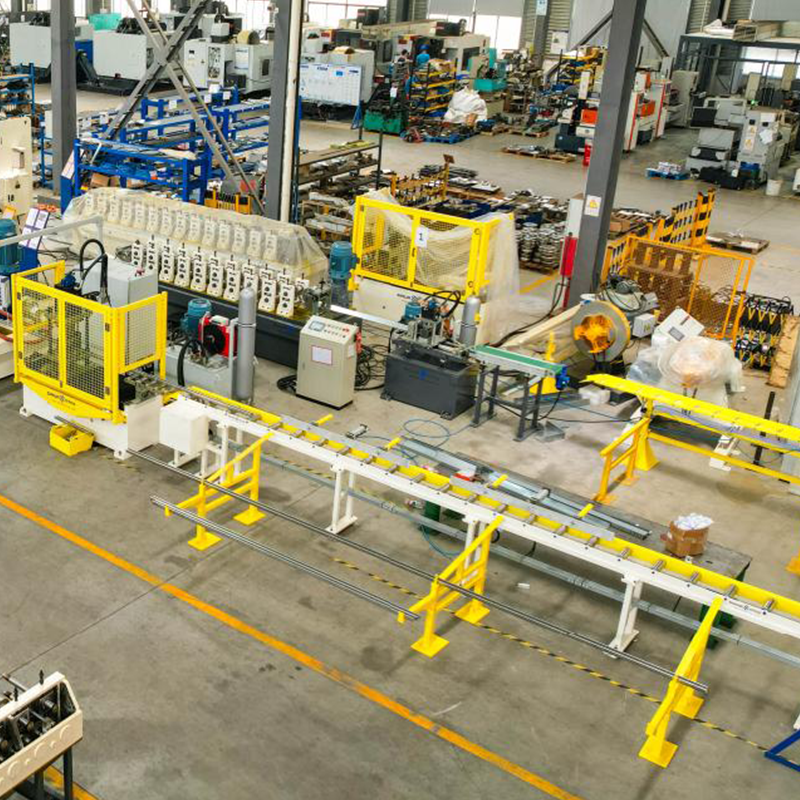
SS304 unistruct profile cassette roll forming machine Leveling machine(A leveling machine is required before using a punch press.) Yadon/Yangli 125-ton press machine (optional) Fle...
See DetailsDon't hesitate to contact when you need us!
Contact Information
PRODUCTS
Mobile


 English
 Español
 русский