Content
In modern manufacturing processes, especially within the metalworking, construction, and automotive industries, heavy-duty decoilers play a crucial role in ensuring smooth and efficient operations. These machines are designed to unwind and handle large coils of metal, a critical task in any production line that involves metal sheet or strip materials. Among the various types of decoilers available, the upright rack heavy-duty decoiler stands out as a reliable and robust solution for industries dealing with heavy coils that need precise handling.
As industries continue to evolve, the demand for highly automated and efficient machinery has never been greater. The upright rack decoiler, often integrated into a larger coil processing system, is designed to handle heavy-duty workloads with high precision and minimal downtime.
An upright rack heavy-duty decoiler is an industrial machine used to uncoil large rolls of metal, typically steel, aluminum, or copper, during manufacturing processes. These coils are tightly wound and must be carefully uncoiled without causing damage to the material or introducing unnecessary tension. The machine is called “upright rack” because the coils are placed vertically in a rack-like structure to facilitate the unwinding process.
Key Components and Functions of an Upright Rack Heavy-Duty Decoiler:
The primary function of an upright rack heavy-duty decoiler is to manage large metal coils efficiently, ensuring they are fed smoothly into the next step of the production process, whether it’s cutting, rolling, or shaping.
| Parameter | Specification 1 | Specification 2 | Specification 3 |
|---|---|---|---|
| Maximum Load Capacity | 5 Tons | 10 Tons | 20 Tons |
| Suitable Coil Width | 500 mm | 1000 mm | 1500 mm |
| Motor Power | 2.5 kW | 5.0 kW | 7.5 kW |
| Automation Control | No | Yes | Yes |
This table illustrates the various capacities of upright rack heavy-duty decoilers, showcasing their versatility in handling different coil sizes and weight requirements.
As industries strive for higher productivity and reduced production costs, the demand for more advanced decoiling equipment has increased. Technological innovations in coil processing equipment and metal coil handling systems have significantly improved the performance of upright rack heavy-duty decoilers. These advancements can be categorized into several areas:
1. Automation and Smart Technologies:
The introduction of automation has revolutionized the decoiling process. Modern automatic decoiler for racks are equipped with sensors, control systems, and advanced software that enable precise control over the uncoiling process. Automation not only increases the speed of production but also minimizes the risk of human error, reduces material waste, and enhances the consistency of the material feed.
For instance, an automatic tension control system allows the decoiler to adjust the tension of the coil as it unwinds, ensuring that the material remains intact and free from damage during the uncoiling process. Additionally, automatic systems can detect coil thickness variations and make adjustments to the unwinding process in real-time.
2. Increased Load Handling Capabilities:
As manufacturing processes require handling heavier and larger coils, the design of heavy-duty decoilers has adapted to meet these needs. With high-capacity heavy-duty decoiler models capable of handling up to 20 tons or more, these machines are designed to bear the weight of industrial-grade coils without compromising performance.
3. Energy Efficiency and Environmental Impact:
Energy-efficient technologies have become a major focus in modern industrial equipment design. The latest steel coil decoiler machines feature energy-saving motors and efficient drive mechanisms that reduce overall power consumption, contributing to lower operating costs and environmental sustainability. Additionally, improved lubrication systems reduce friction, further enhancing the machine’s efficiency.
4. Remote Monitoring and Diagnostics:
Many modern decoilers are now equipped with remote monitoring capabilities, enabling manufacturers to track the performance of their equipment in real-time. This allows for predictive maintenance, reducing downtime and improving overall equipment effectiveness (OEE). Operators can monitor critical parameters such as motor temperature, coil tension, and feed speed remotely, providing a more streamlined approach to maintenance and operation.
Heavy-duty decoilers, including the upright rack decoiler, are indispensable in several industries that require large metal coils for manufacturing processes. Some of the key industries and applications include:
Steel and Metal Industry: The primary application of decoilers is in the steel industry, where large rolls of steel are processed into sheets or strips for various end-use applications, including automotive parts, construction materials, and packaging products.
Automotive Manufacturing: In the automotive sector, decoilers are used to uncoil metal sheets that will be stamped into vehicle parts such as body panels, frames, and structural components.
Construction and Infrastructure: Decoilers are critical in processing metal sheets and strips for the production of building materials such as roofing, siding, and structural supports.
Best Practices for Operating Heavy-Duty Decoilers:
Regular Maintenance: To ensure optimal performance, it’s crucial to perform regular maintenance checks. This includes inspecting the coil handling mechanisms, motor and drive systems, and control systems.
Operator Training: Proper training for operators ensures that they can safely handle the heavy coils and effectively use the decoiling equipment. Training on automatic tension control systems, in particular, is essential to prevent material damage.
Optimal Coil Loading: Proper coil loading is essential for preventing coil misalignment and ensuring the smooth operation of the decoiler. Overloading or improper loading can cause strain on the equipment and lead to operational inefficiencies.
Selecting the right upright rack heavy-duty decoiler is a critical decision that can significantly impact production efficiency, cost-effectiveness, and the overall performance of the manufacturing process. Here are the key factors to consider when choosing the ideal decoiler for your operation:
1. Coil Load Capacity:
Before purchasing a decoiler, it’s essential to understand the maximum coil weight that the machine will need to handle. For heavy-duty applications, where large and heavy coils are common, choosing a high-capacity heavy-duty decoiler is crucial to avoid operational failures or damage to the equipment.
2. Coil Width Compatibility:
The decoiler should be capable of handling the specific coil widths used in your production process. Some steel coil decoilers can handle narrow coils (less than 500 mm), while others are designed to handle wide coils (up to 1500 mm or more). It is essential to match the decoiler’s specifications with the size and type of coils used in your production line.
3. Automation and Control Features:
Consider the level of automation required for your production line. If you are looking for a coil processing system that minimizes manual intervention, an automatic decoiler for racks with advanced control features like tension control, speed regulation, and remote diagnostics may be the right choice. Automated systems can significantly improve overall production speed and reduce labor costs.
4. Durability and Maintenance:
Heavy-duty decoilers are typically used in high-volume operations and need to be durable enough to withstand continuous use. Ensure that the decoiler you choose has a reputation for reliability and is equipped with high-quality materials and components. Also, consider the ease of maintenance and availability of replacement parts. Regular maintenance is crucial for ensuring the long-term performance of the equipment.
5. Customization Options:
If your production process requires specific features (e.g., special coil handling systems or enhanced safety measures), choose a customizable upright rack decoiler. Manufacturers often offer options such as adjustable tension control, different motor types, or specialized rack systems designed for specific materials.
| Feature | Upright Rack Decoiler | Heavy-Duty Coil Uncoiler | Automatic Decoiler |
|---|---|---|---|
| Maximum Coil Weight | 5–20 Tons | 5–15 Tons | 10–25 Tons |
| Coil Width Compatibility | 500–1500 mm | 600–1200 mm | 500–1500 mm |
| Automation Level | Manual/Partial | Manual | Full Automation |
| Tension Control | Optional | Manual | Automatic |
| Typical Application | Metal Processing | Steel, Aluminum | Automotive, Aerospace |
This table highlights the key differences between three common types of decoilers, helping businesses choose the best equipment based on their specific needs.
To ensure that your upright rack heavy-duty decoiler functions efficiently, it’s important to follow proper installation, maintenance, and operational guidelines.
Installation:
Maintenance:
Operation:
The upright rack heavy-duty decoiler is a vital piece of equipment for industries that handle large coils of metal and other materials. By understanding the features, technological advancements, and industry applications of these machines, manufacturers can select the best equipment for their production lines.
1. What is an upright rack heavy-duty decoiler, and how does it work?
An upright rack heavy-duty decoiler is an industrial machine used to unwind large rolls of metal, such as steel, aluminum, or copper. It is called “upright rack” because the coils are placed in a vertical position, which helps save space and ensures proper weight distribution. The machine gradually unwinds the coil, allowing it to be fed smoothly into the next step of the production process, like rolling or cutting.
2. How do I choose the right upright rack heavy-duty decoiler for my production line?
When selecting an upright rack decoiler, consider factors like the maximum coil weight, coil width compatibility, and the level of automation required. It’s also essential to assess the maintenance needs and energy efficiency. If your production line requires high automation, consider a model with tension control and remote monitoring systems. For heavier coils, opt for high-capacity models.
3. What industries typically use upright rack heavy-duty decoilers?
Upright rack heavy-duty decoilers are commonly used in industries such as metal processing, automotive manufacturing, and construction. These industries require the handling of large metal coils to produce items like automotive parts, building materials, and steel sheets.
4. How do I maintain my upright rack heavy-duty decoiler to ensure optimal performance?
Regular maintenance is key to ensuring the long-term functionality of your decoiler. This includes:
5. What are the advantages of using an automatic decoiler over a manual one?
An automatic decoiler offers several advantages over manual machines, including:
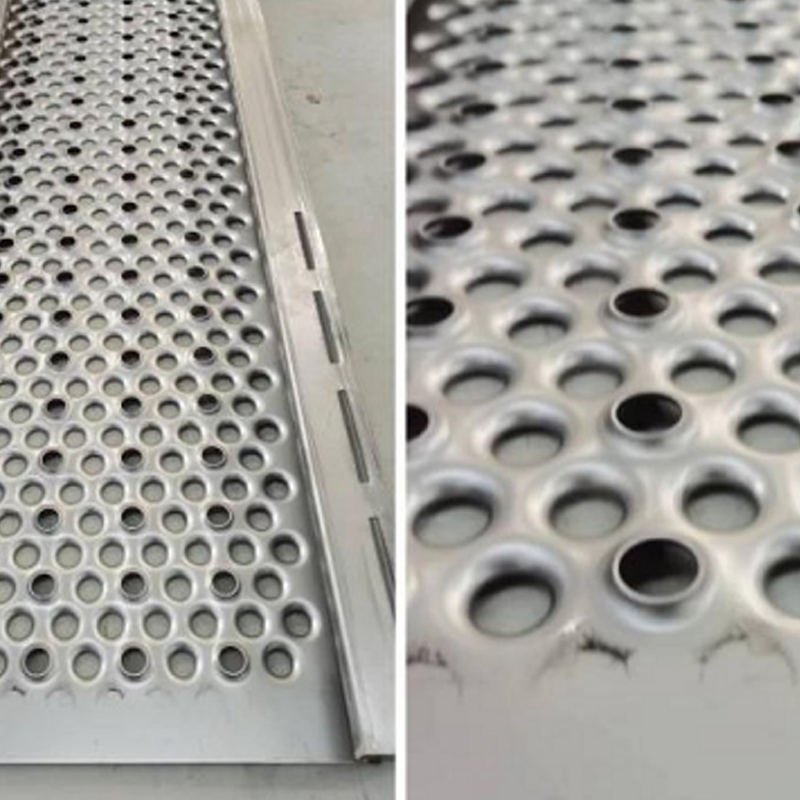
Metal Scaffold decking roll forming machine Shaft diameter: 70–80 mm; scaffold decking length: 0.5–6 m; thickness: 1–2.5 mm. Equipment layout diagram.We welcome you to send us your factory's...
See Details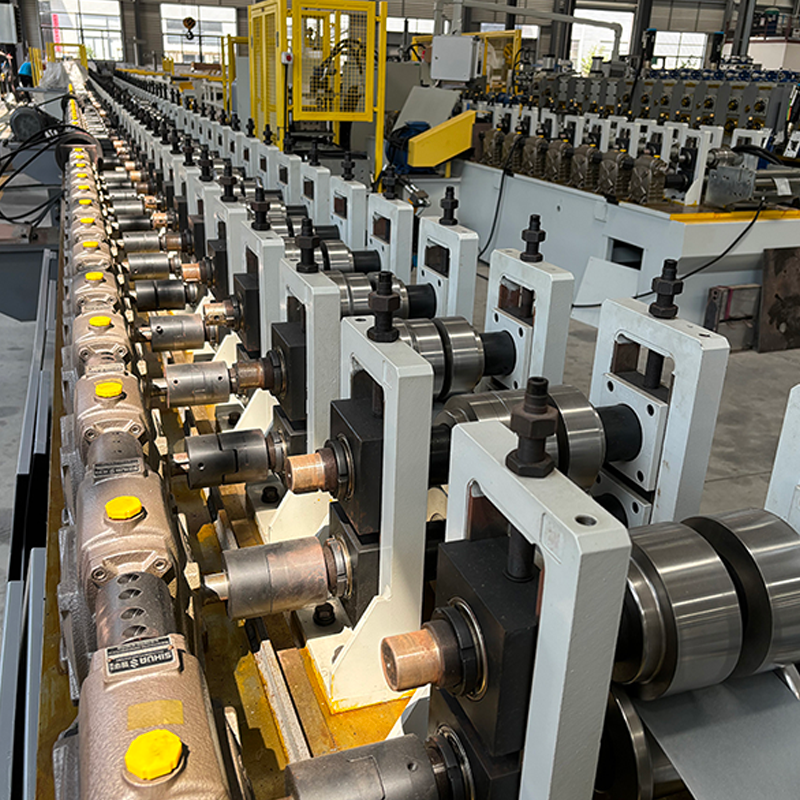
PV frame window door profile roll forming machine Worm gear reducers with different reduction ratios can be selected to achieve different production speeds. Straightening seats are used t...
See Details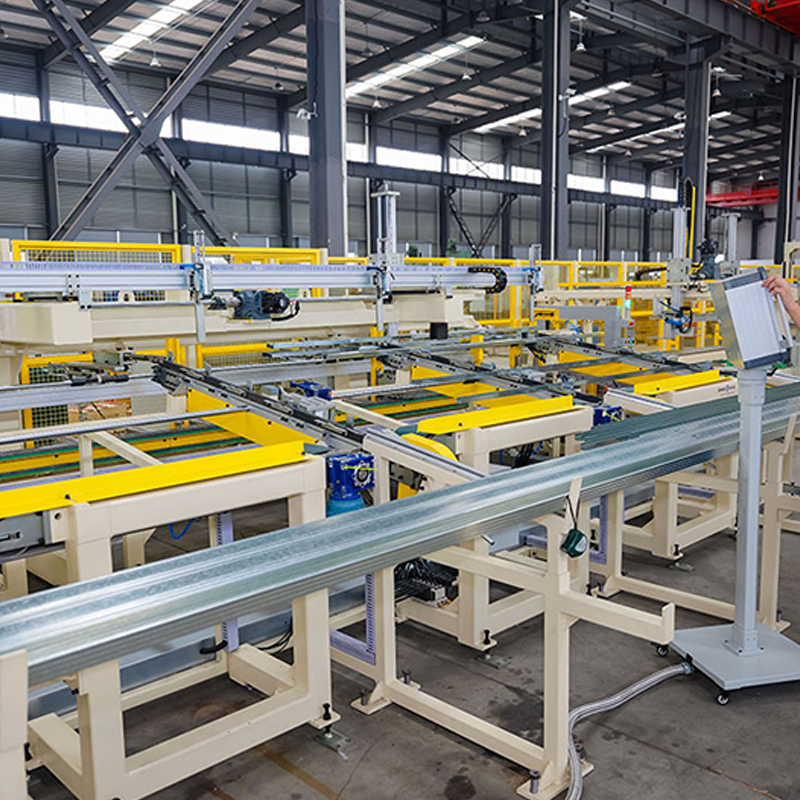
Automatic button flipping machine Flipping speed: 120 meters per minute. Flips the metal profile and snaps it on. Small bundle packing machine Large bundle palletizer Large-bu...
See Details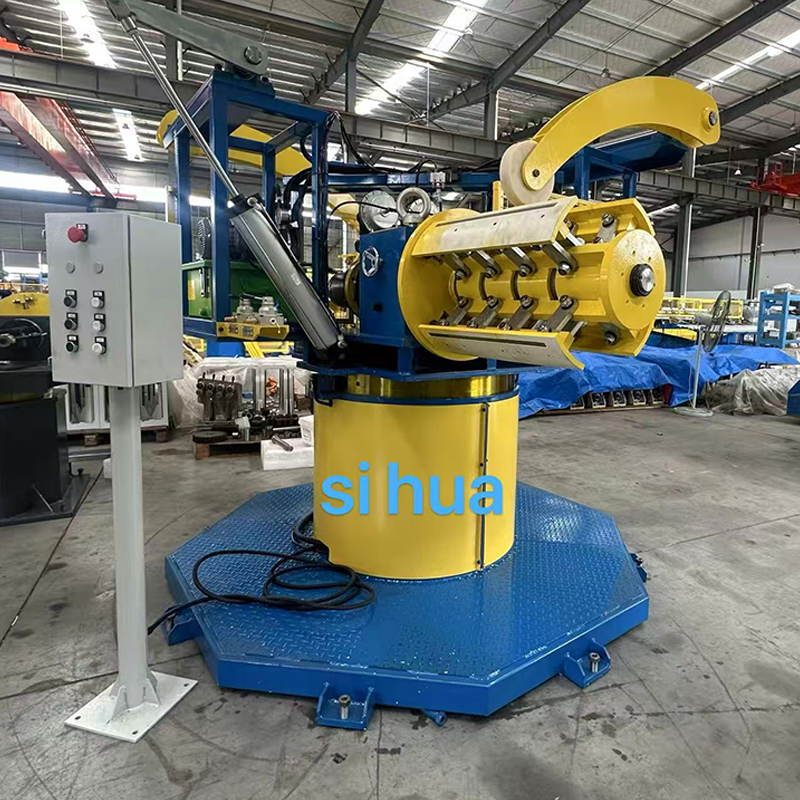
Double head rotating hydraulic heavy-duty decoiler.This equipment can automatically stop synchronously with the forming machine, and features hydraulic expansion and contraction as well as automa...
See Details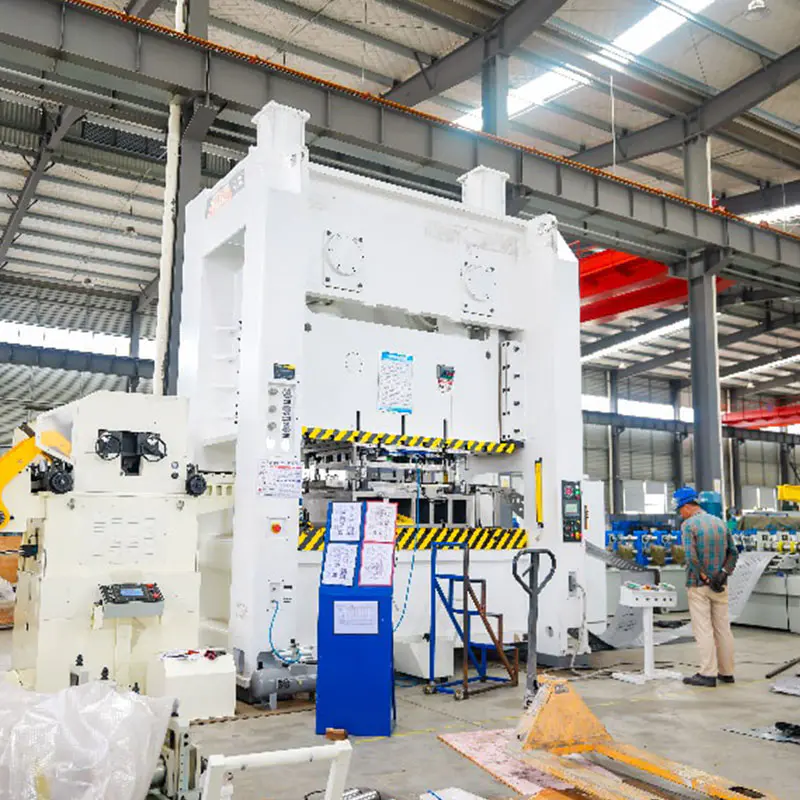
Decoiler System 3-in-1 Decoiler Straightener Feeder Capacity: 5 tons hydraulic coil mandrel expansion, servo feeding & straightening. Punching machine 400 Ton Power Press Capacity: ...
See DetailsDon't hesitate to contact when you need us!
Contact Information
PRODUCTS
Mobile


 English
 Español
 русский