Content
Purlin production is a balancing act between profile variety and line uptime. A C/U/Z/Sigma purlin machine with flying shear, quick interchange and stepless width change is designed to remove two of the biggest sources of lost time: stopping the line for every cut and rebuilding the machine for every new section width. Instead of treating changeover as a fixed cost, the line treats it as a recipe step that can be repeated, measured and improved.
The practical value of flying shear and stepless width change is not a single feature. It is the ability to quote mixed orders, run shorter batches and still keep the line moving.
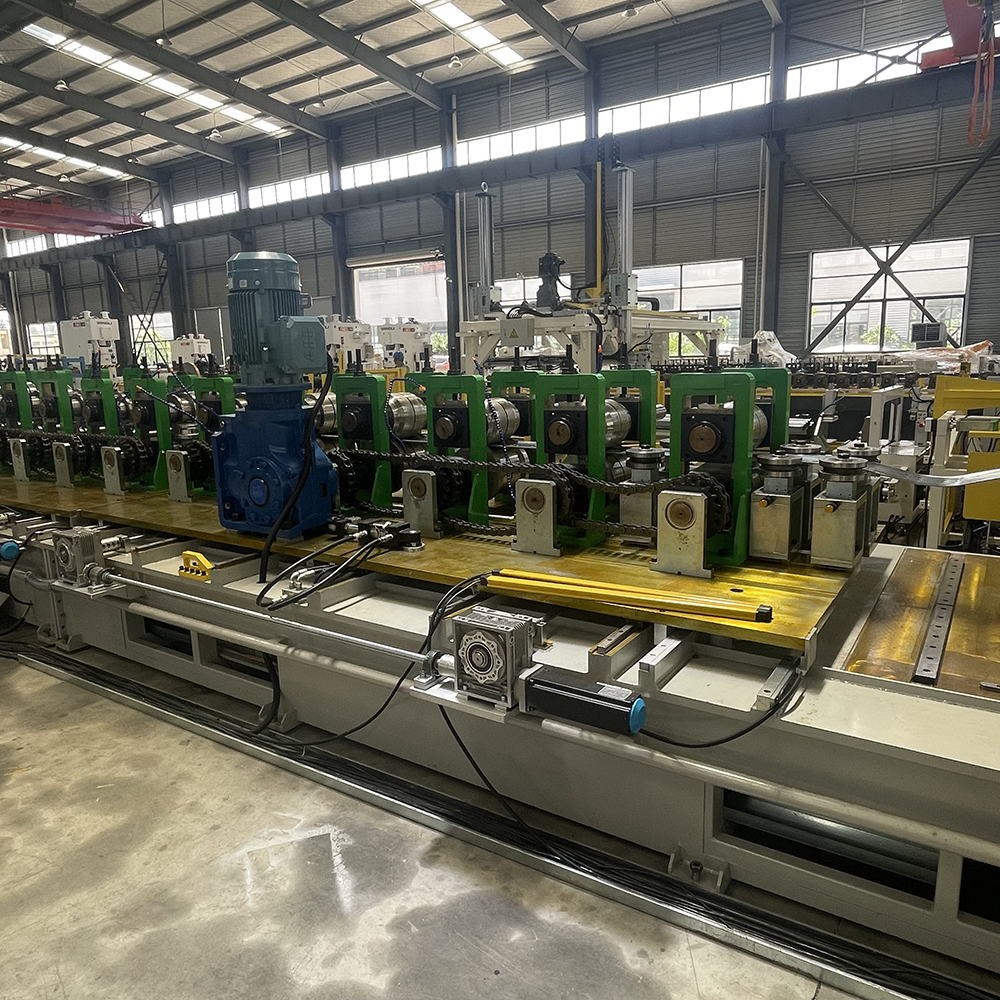 CUZ Sigma Roll Forming Machine for Flexible Profile ProductionCustomizable CUZ and CU-sigma roll forming system producing three profile types each, with automatic width change and shear-off cutting for mixed, shorter batches.View Product →
A conventional purlin line often relies on a stop-and-cut shear. The line feeds, stops, cuts, then accelerates again. That cycle is simple, but it adds time to every piece and puts repeated stress on the drive train. A flying shear cuts the profile while the material is still moving. The servo feed, encoder and shear controller stay synchronized, so cut length is maintained without interrupting production.
The benefit is most obvious in long runs and mixed length lists. When the line no longer stops for each cut, the operator can focus on profile quality and coil changes rather than cycle timing. The same logic applies to width adjustment. If every new purlin width requires manual spacer changes, shimming and trial running, small orders become expensive. Stepless width change uses motorized adjustment and recipe recall to move the roll stands to a new width without physically rebuilding the machine.
For buyers comparing options, these features should be evaluated together. A flying shear is more valuable when the line can change width quickly, and a quick-change width system is more valuable when the shear can keep pace with the new setup. The wider industry direction toward high-speed shearing technology reflects the same goal: keep the strip moving and reduce non-productive time.
The same purlin line may be asked to produce several section families. C, U, Z and Sigma profiles are not interchangeable in structural design, and they do not place the same demands on the roll tooling. The table below gives a practical comparison for production planning.
| Profile | Geometry | Typical Role | Changeover Consideration |
|---|---|---|---|
| C | Channel with equal flanges | Roof purlins, wall girts and general framing | Stable and familiar; width and flange dimensions drive roll set design |
| U | Open channel with a simpler web and flange arrangement | Edge members, framing and lighter built-up sections | Often produced in narrower ranges; check tooling compatibility before quoting |
| Z | Zed section with offset flanges | Roof purlins where lapping and nesting improve span performance | Needs controlled flange alignment and consistent cut squareness |
| Sigma | Sigma-shaped section with additional stiffening | Longer spans and higher load cases where material efficiency matters | More complex geometry; quick interchange and recipe control reduce setup risk |
In practice, a machine that runs C and Z sections may also be specified for U and Sigma variants, but the working range must be confirmed against the actual section drawings. Web depth, flange width, lip height, material thickness and yield strength all affect what the line can run at full speed.
Quick interchange is often delivered as a cassette or quick-change roll package. The idea is simple: keep the roll set aligned and calibrated off-line, then move it into the line as a complete unit. Hydraulic clamping, locating pins and repeatable datums reduce the amount of manual adjustment needed after a change. On a well-designed purlin line, the operator selects a recipe, confirms the tooling set, and lets the machine move to the stored width and cut length.
Quick interchange should not be judged only by the time it takes to swap a cassette. The real measure is the first-piece quality after the swap. If the operator still has to adjust flange alignment, check bow and twist, and run scrap to find the sweet spot, the changeover is not truly quick. The machine should have repeatable references for the roll stands, the shear and the guide system. Recipe memory should cover width, thickness, cut length and any inline punching pattern.
For suppliers quoting mixed orders, this changeover logic changes the economics of small batches. A line that can switch from C to Z or from one width to another in a controlled sequence can accept orders that would otherwise be pushed to a dedicated machine. More production project examples can help buyers see how these changeovers work in real workshop conditions.
Stepless width change means the roll stands move continuously within the machine range rather than in fixed increments. Motorized screws or servo axes reposition the stands, and the control system keeps the left and right sides synchronized. This is especially useful when the order list contains many similar widths. The operator does not need to hunt for a spacer combination or re-shim the stand.
The flying shear must follow the same logic. When the width changes, the cut length and the shear timing must remain stable. The controller should link the feed encoder, the shear carriage and the cut-off signal so that the first piece after a width change is already close to specification. If the line has inline punching, the punch pattern should also be part of the recipe. Otherwise, a fast width change can still be lost to manual punch setup.
A practical test is to run a sequence of widths and lengths that reflects a real order book. Watch the first piece after each change, not only the steady-state output. Check whether the operator needs to touch the machine, whether scrap is produced, and how long the line stays below full speed. Those observations reveal more than a brochure changeover time.
Before specifying a C/U/Z/Sigma purlin machine with flying shear and stepless width change, define the production case clearly. The following points help separate a workable specification from an overbuilt or undersized line.
C and Z purlins are common in steel-framed buildings, warehouses, workshops, agricultural buildings and mezzanine floors. They support roof and wall systems and are often lapped or nested to improve structural continuity. Sigma sections are selected where longer spans or higher loads make material efficiency important. U sections may appear as edge members, framing components or lighter channel profiles in the same production environment.
Because purlin production sits between coil processing and final fabrication, the line should be considered as part of a wider workflow. Upstream slitting determines strip width and edge quality. Downstream handling affects bundle quality and packing efficiency. A purlin machine that changes width quickly but creates poor bundles or inconsistent cut ends will still slow the plant. The best configuration balances flying shear speed, quick interchange, stepless width adjustment and reliable discharge handling.
Ask for a section drawing review before the order is placed. The machine supplier should confirm the roll tooling, shaft strength, stand adjustment range and shear capacity against the heaviest section in the list. For Sigma profiles, pay particular attention to stiffening geometry and flange stability. For Z profiles, confirm that the cut is square and the flange orientation is consistent after changeover.
It is also worth agreeing on the acceptance procedure. A practical test should include a profile change, a width change and a length change in one sequence. The line should demonstrate repeatable first-piece quality and stable running at the specified speed. If the machine uses cassette tooling, the test should include loading and unloading a cassette under normal workshop conditions, not only a demonstration by a technician.
A flying shear cuts the moving strip to length without stopping the line. It uses a synchronized carriage and servo feed so the cut length remains accurate while production continues.
Changeover time depends on the tooling design, profile family and operator routine. Cassette systems with repeatable datums and recipe control are faster than manual roll changes, but first-piece verification should always be included in the total time.
It can improve consistency because the stands are positioned by motorized adjustment rather than manual spacers. The result depends on frame rigidity, roll alignment and the control system's ability to keep both sides synchronized.
It can, provided the working range and tooling are specified for all four families. Buyers should provide actual section drawings and confirm thickness, yield strength and line speed for each profile.
Flying shear, quick interchange and stepless width change are most useful when they are designed as one production system. The shear keeps the strip moving, the cassette or quick-change tooling reduces setup risk, and stepless width adjustment turns a mixed order book into a manageable schedule. For purlin producers, the goal is not simply a faster machine. It is a line that can move between C, U, Z and Sigma sections with predictable quality and less non-productive time.
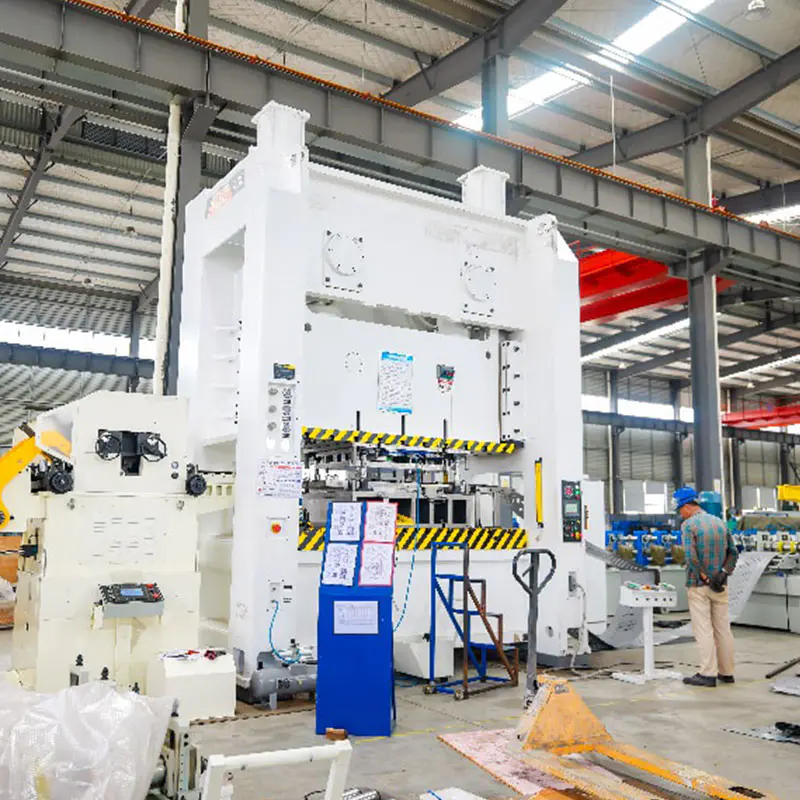
Decoiler System 3-in-1 Decoiler Straightener Feeder Capacity: 5 tons hydraulic coil mandrel expansion, servo feeding & straightening. Punching machine 400 Ton Power Press Capacity: ...
See Details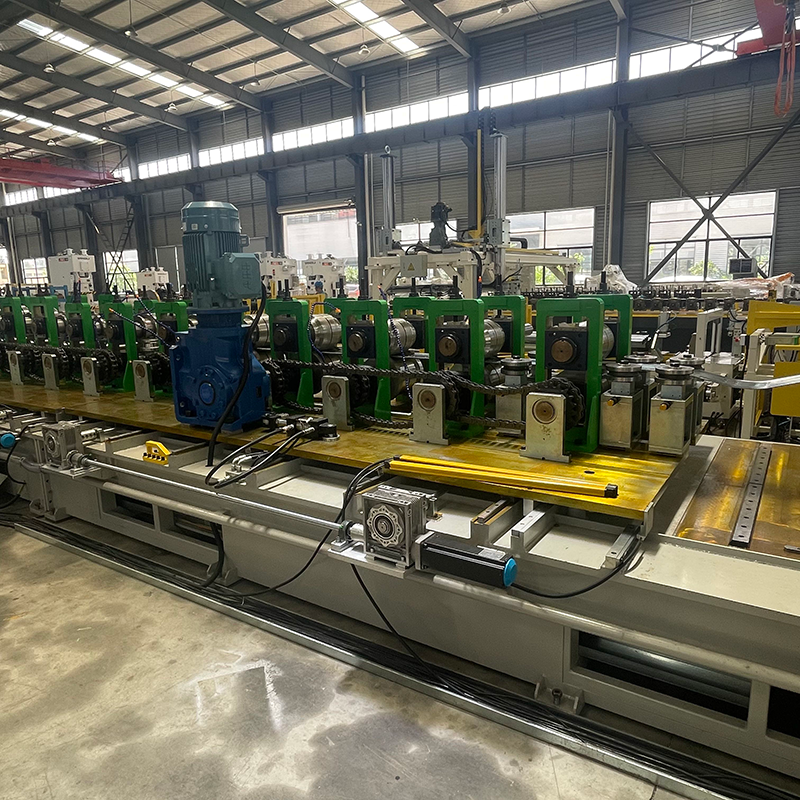
CUZ sigma roll forming machine Heavy-duty single-head decoiler, capacity 5-ton. Leveling machine(A leveling machine is required before using a punch press.) Yadon/Yangli 125–250-to...
See Details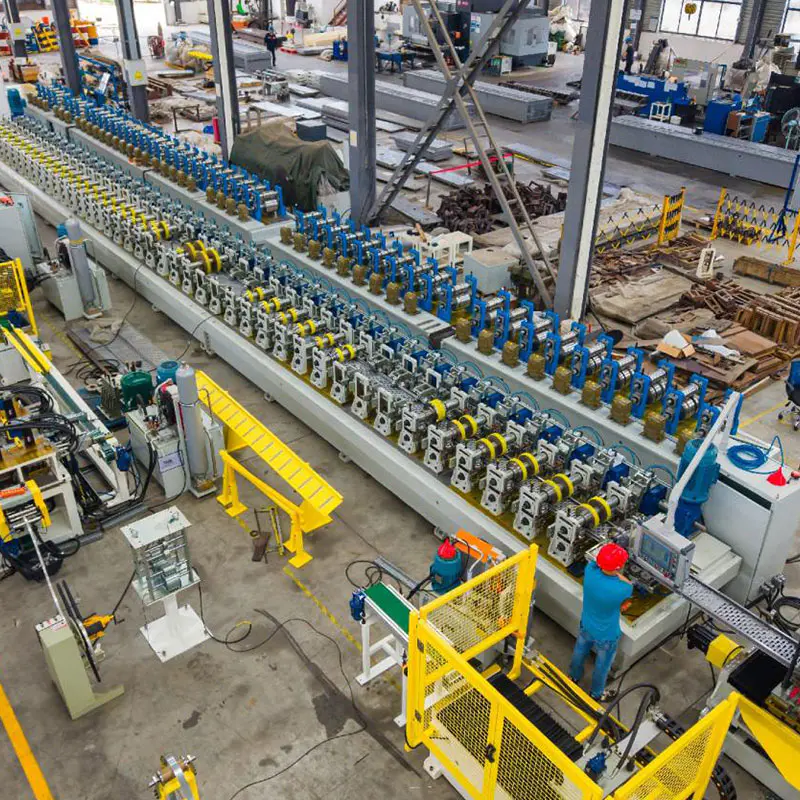
Decoiler System COMBI 3/1 decoiler lever and feeder Capacity: 3-8 tons high feeding accuracy, fully automatic operation, widely used for metal coil stamping Punch Press Unit Punching fo...
See Details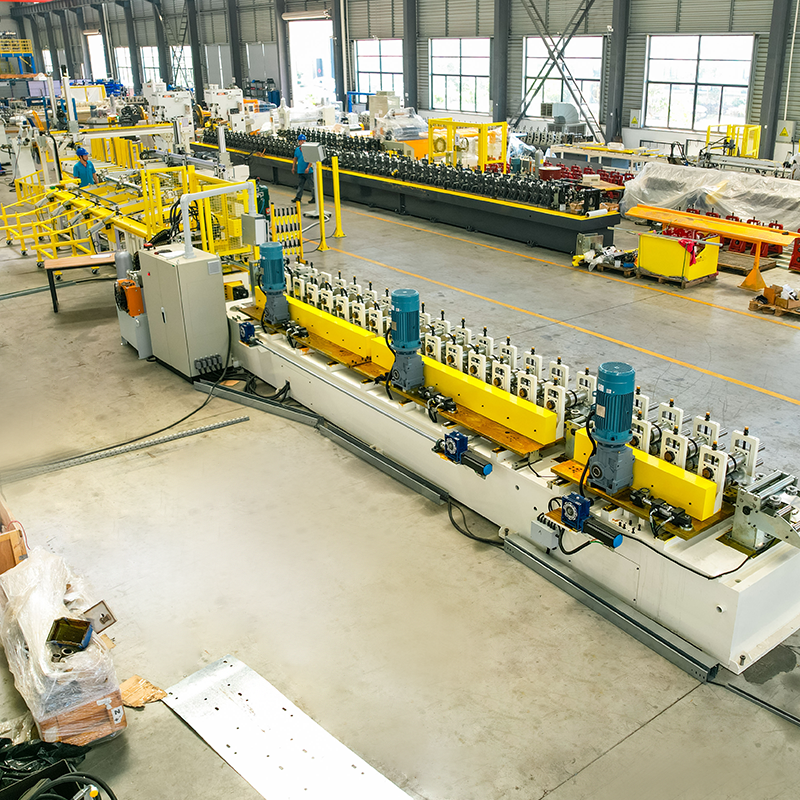
CU automatic width-change roll forming machine, chain drive, automatic packing. Economical double-head hydraulic decoiler, 3 tons per side, manual brake Automatic width and height chang...
See Details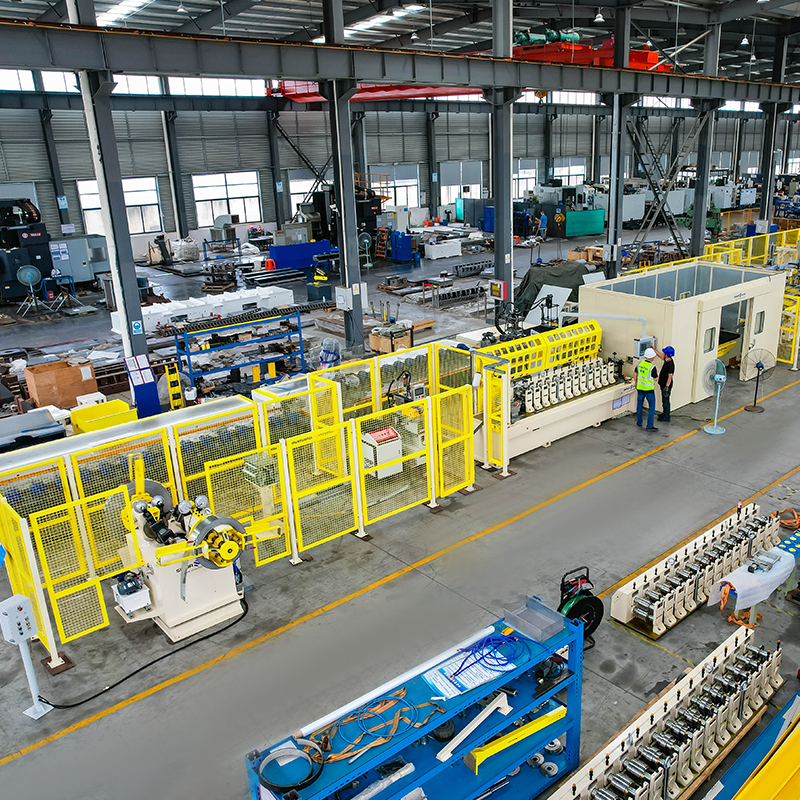
Automatic rotating double-head hydraulic decoiler with no-material detection, 5 tons per side. Quick-change cassette roll forming machine (changeover takes 30 minutes). Cutting without ...
See Details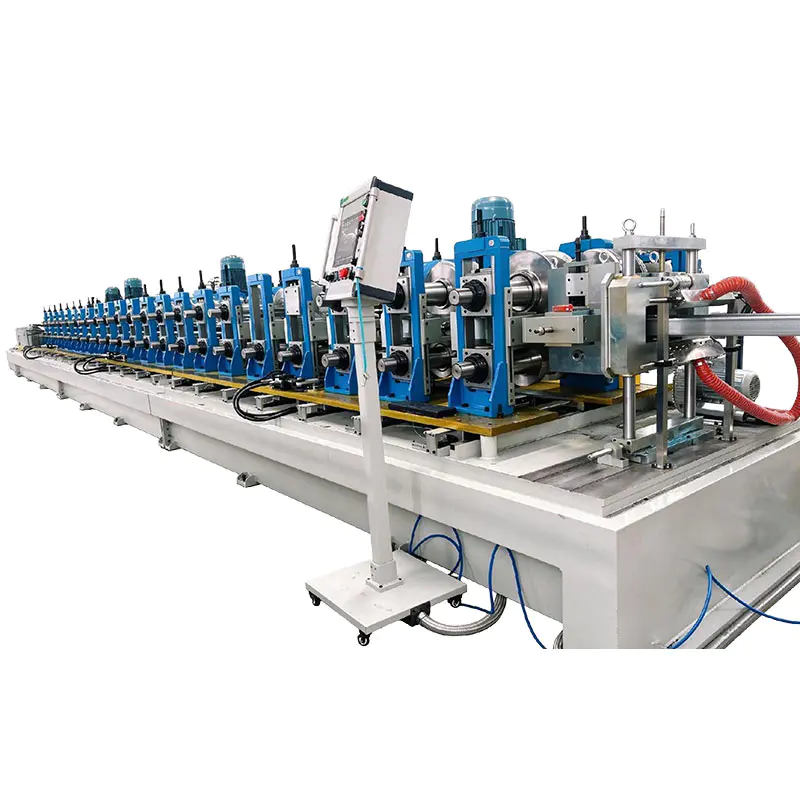
Decoiler System Double-Head Rotary Hydraulic Decoiler Capacity: 3 tons × 2 pieces Maximum material width ≤ 800 mm Hydraulic expansion coil Hydraulic expansion coil o Motor rotary exchange for...
See DetailsDon't hesitate to contact when you need us!
Contact Information
PRODUCTS
Mobile


 English
 Español
 русский