As a global leader in precision machine tool technology, Japan [company names, such as: FANUC, MAZAK and others have recently released a new generation of high-precision CNC lathes. With nano-level processing capabilities, intelligent production systems and ultra-long stability, they redefine the industry standards of turning processes and provide revolutionary solutions for high-end manufacturing industries such as automobiles, electronics and energy.
Technological Peak: Japanese Seiko Creates another Precision myth
The new model adopts a full closed-loop linear motor drive and thermal deformation compensation technology, achieving a repeat positioning accuracy of 0.1μm and a processing roundness error of less than 0.3μm. It can be regarded as the "precision ceiling" in the field of lathes. It is equipped with an ultra-high-speed spindle (up to 30,000rpm) and hydrostatic guide rail technology, which can complete mirror finishing on difficult-to-machine materials such as titanium alloys and ceramics, with a surface roughness of Ra0.05μm.
To meet the demands of complex parts, the machine tool integrates multi-axis linkage (such as B-axis and Y-axis) and turning and milling compound functions. With a single clamping, all processes including turning, milling and drilling can be completed, increasing efficiency by 40%.
The core of an intelligent factory: Seamless integration of AI and automation
Japanese manufacturing has always been at the forefront of the intelligent wave. This time, the new model deeply integrates an AI process optimization system:
Adaptive cutting control: Real-time monitoring of tool wear and automatic compensation, extending service life by 50%;
Digital twin simulation: Virtual debugging before processing to eliminate collision risks;
Internet of Things (IIoT) platform: Linked with the factory MES system to achieve unmanned production management.
In addition, the machine tool supports automatic loading and unloading by robots and can be quickly integrated into flexible production lines (FMS) to meet the demand for 24-hour continuous production.
Industry empowerment: From Supercar engines to semiconductor equipment
In the automotive field: Processing motor shafts for new energy vehicles and crankshafts for supercar engines, with precision reaching the micrometer level;
Semiconductor field: Precision cutting vacuum chambers and wafer carriers, with cleanliness meeting Class 100 standards;
Medical field: Manufacturing artificial joints and surgical instruments, meeting FDA certification requirements.
A German auto parts supplier commented: "Its stability even surpasses that of Swiss equipment, helping us achieve zero-defect production."
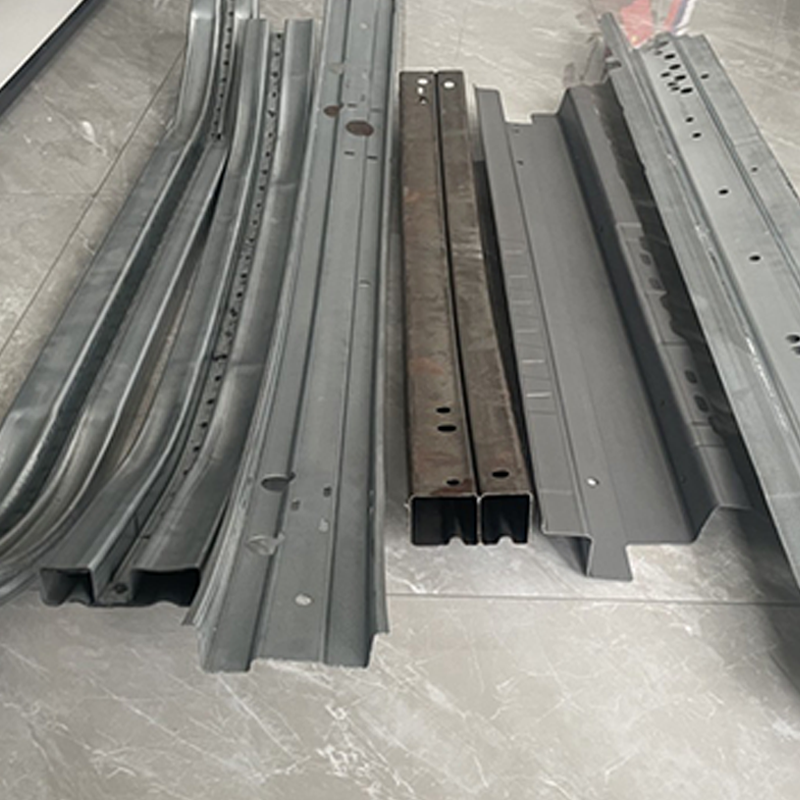
Roller Die Display Automobile front anti-collision beam-bending mold Anti-collision beam rolling bend mechanism Mold Real Shots Stamping Continuous Die Continuous Mold Display Stamping ...
See Details
wide material single decoiler Leveling machine and Machine for punching small holes on both sides All the upper and lower rollers are connected to a worm gear reducer.This makes the for...
See Details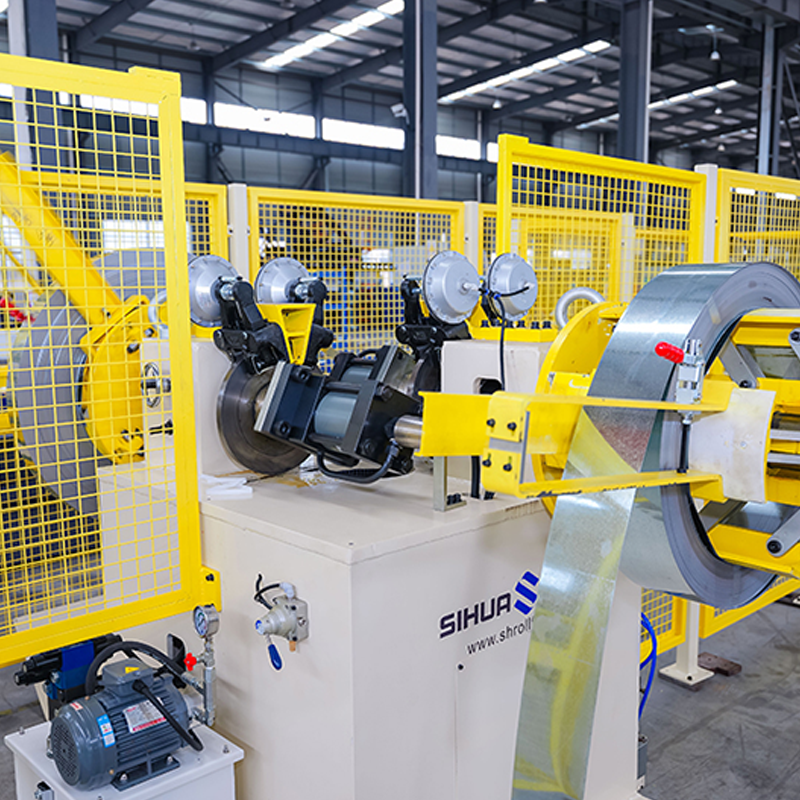
Automatic rotating double-head hydraulic decoiler with no-material detection, 5 tons per side. Laser power and welding length are adjustable to accommodate steel strips of various thicknesse...
See Details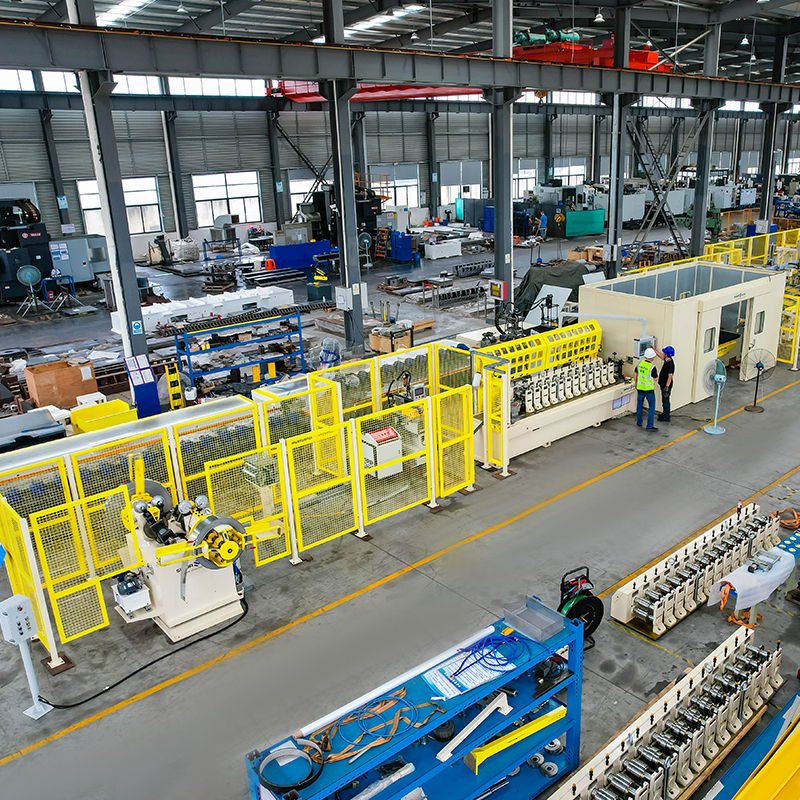
Automatic rotating double-head hydraulic decoiler with no-material detection, 5 tons per side. Quick-change cassette roll forming machine (changeover takes 30 minutes). Cutting without ...
See Details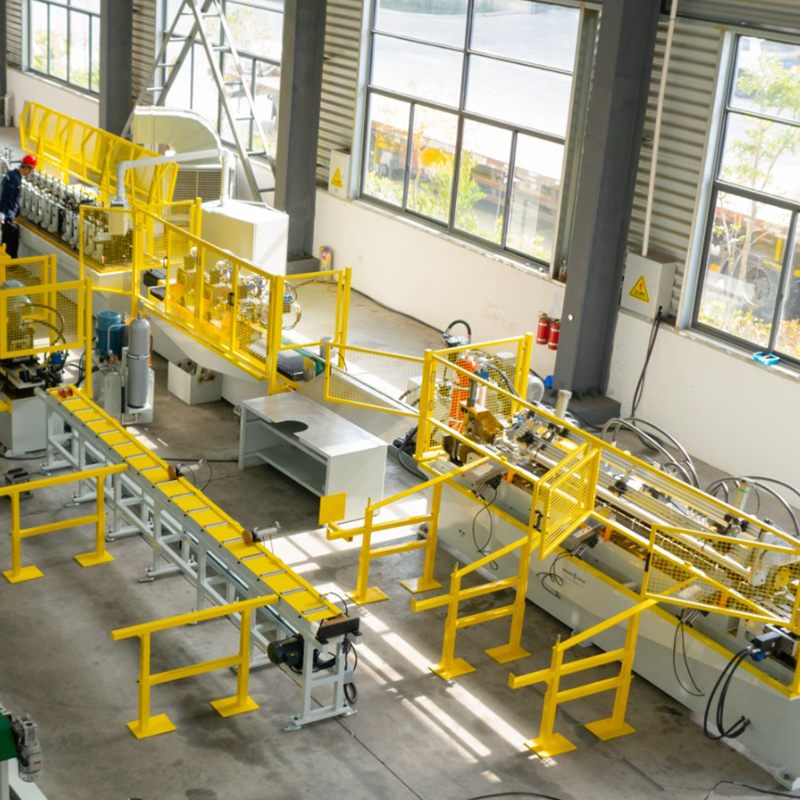
Double-head pre-painted steel hydraulic expanding/contracting uncoiler, double-head galvanized steel expanding/contracting uncoiler, pre-painted steel storage bracket, belt reduction. The 5-...
See Details
Solar bracket auto change width roll forming machine Material decoiler with storage platform and robotic arm Leveling machine(A leveling machine is required before using a punch press.)...
See DetailsDon't hesitate to contact when you need us!
Contact Information
PRODUCTS
Mobile


 English
 Español
 русский