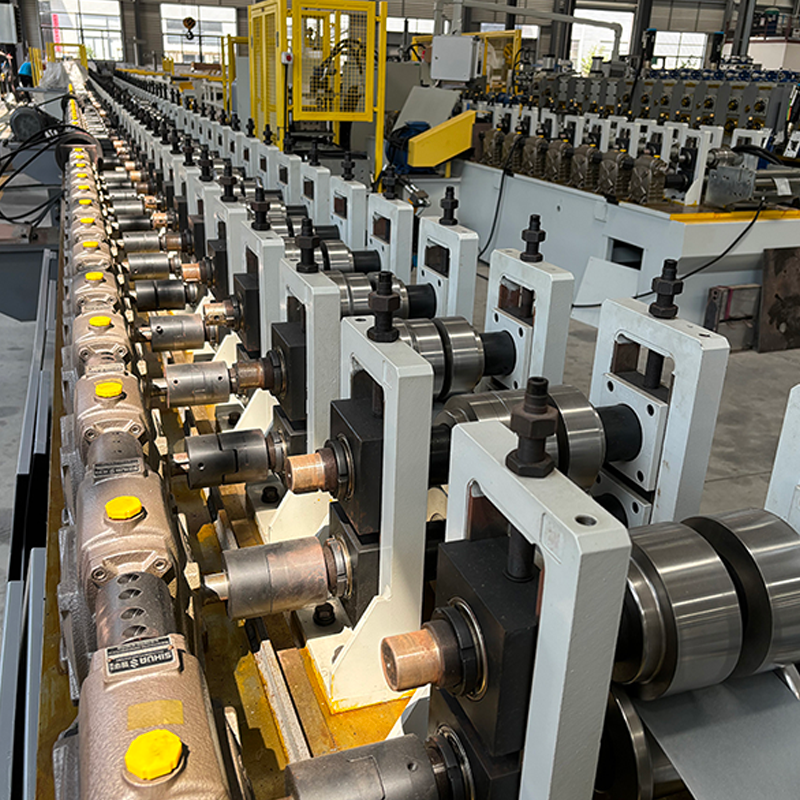
A window and door profile roll forming machine is an efficient, automated system designed for manufacturing window and door frame profiles. It is widely used in construction, home improvement, and door-and-window manufacturing industries. Using advanced cold roll forming technology, the machine accurately forms metal coil/sheet into profiles in various specifications to meet different architectural designs and customer requirements.
Through a continuous forming process, the machine produces profiles quickly and with high precision. Whether for standard sizes or custom specifications, it delivers straight, consistent products with good dimensional accuracy, ensuring profile stability and structural strength and meeting the strict quality standards of the construction and fenestration industries. The equipment supports continuous operation for high-volume production, reducing manual intervention and lowering production costs.
Equipped with a PLC control system and a user-friendly touchscreen interface, the machine allows operators to easily set production parameters and adjust processes. Automated feeding, cutting, and scrap discharge improve productivity and material utilization while reducing errors caused by manual operation. In addition, the machine is adaptable to different material types and thicknesses, supporting a wide range of window and door frame profile designs.
With a robust structure and long service life, the equipment operates reliably in high-intensity production environments. It is essential for modern window and door manufacturing, helping companies improve efficiency and product quality.
Service & Success Stories
Specializing in efficient production, helping to upgrade the global construction industry
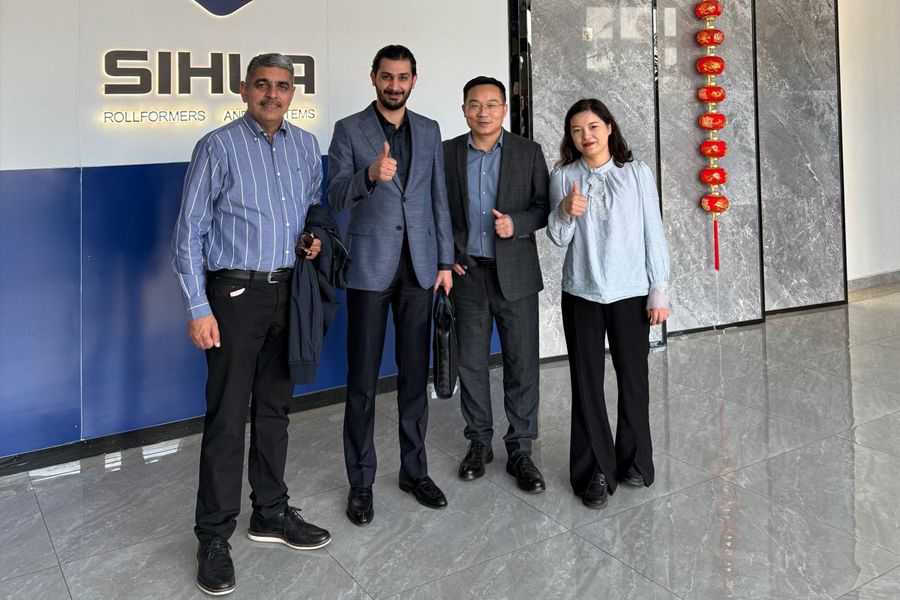


Introduction In modern manufacturing processes, especially within the metalworking, construction, and automotive industries, heavy-duty decoilers play a crucial role in ensuring smooth and efficient o...
READ MOREThe Flying Shear Roll Forming Machine is a critical technology in modern manufacturing, combining high-speed shearing technology with roll forming. It enhances production efficiency and precision. As ...
READ MOREWhen choosing between a fully automated and a semi-automated strut channel roll forming machine, the core answer is straightforward: full automation delivers higher throughput, lower labor costs, and...
READ MORESelecting a production line for high-strength automotive components is a critical investment. Engineers and procurement managers must evaluate technology, material compatibility, precision, and long-t...
READ MOREA window door profile machine is an efficient automated system designed for manufacturing window and door frame profiles. This equipment utilizes advanced cold roll forming technology to accurately transform metal coils or sheets into profiles of various specifications. The technology serves the construction, home improvement, and door-window manufacturing industries by delivering straight, consistent products with excellent dimensional accuracy.
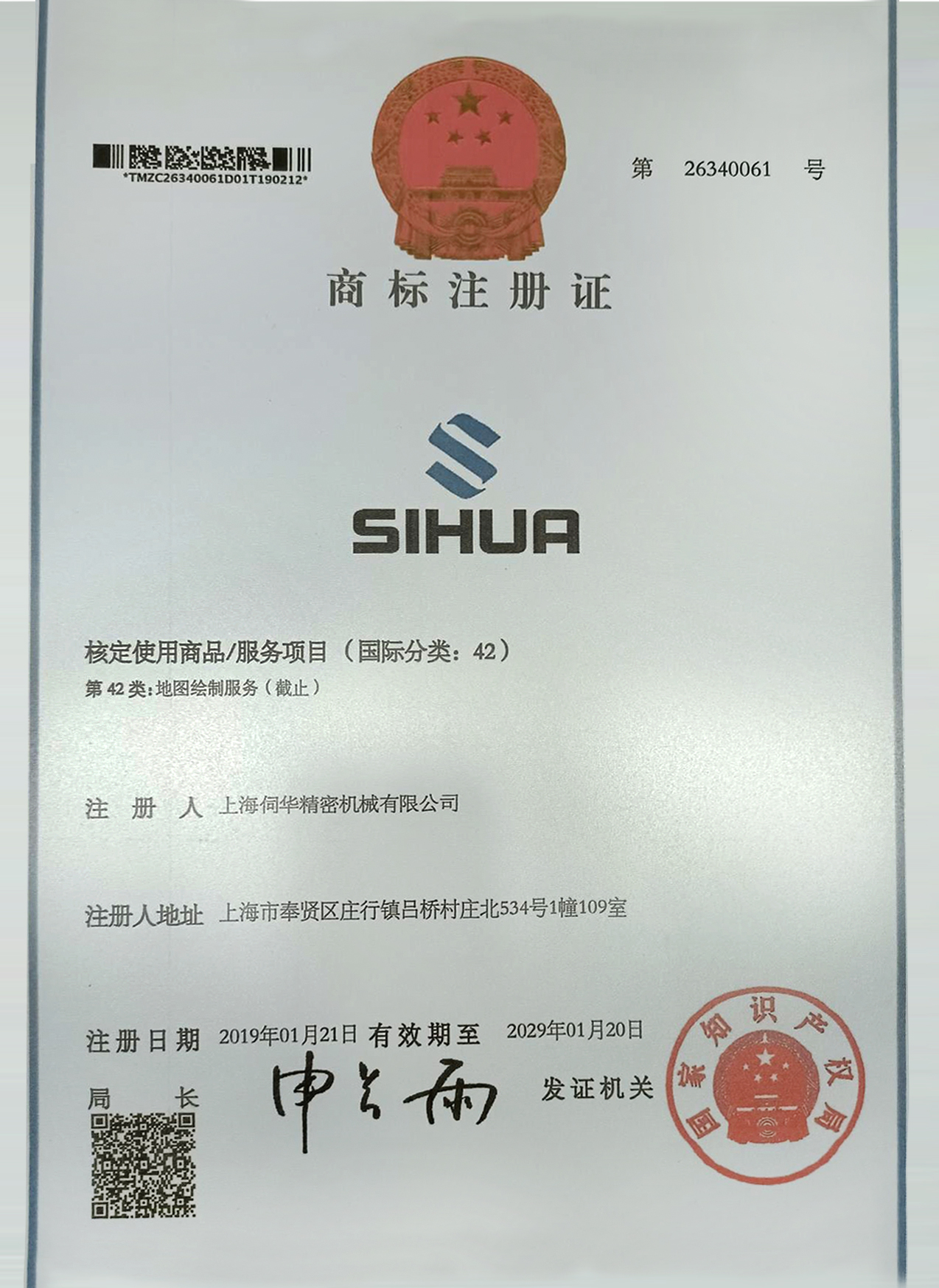
Shanghai Sihua Precision Machinery Co., Ltd. specializes in developing automatic high-speed flying shear roll forming machines. With 42 utility model patents and 11 invention patents, Sihua delivers precision engineering solutions that meet strict quality standards of the construction and fenestration industries.
| Parameter Category | Specification Range | Technical Notes |
| Forming Speed | 15-30 meters per minute | Depends on profile complexity and material thickness |
| Material Thickness | 0.3mm to 2.0mm | Galvanized steel, aluminum alloy, color-coated coils |
| Material Width | 100mm to 500mm | Customizable based on profile design requirements |
| Forming Stations | 12 to 18 stands | Progressive roller forming ensures gradual shape transformation |
| Straightness Accuracy | ±0.5mm per meter | Critical for proper window and door assembly |
| Cutting Precision | ±1mm | High-speed flying shear technology ensures clean cuts |
| Roller Material | Cr12MoV or SKD11 | Hardness HRC58-62 for extended service life |
| Control System | Siemens/Mitsubishi/Omron PLC | Touchscreen interface with 100+ product recipe storage |
Modern window door profile roll forming machines employ sophisticated PLC control systems with user-friendly touchscreen interfaces. Operators can easily set production parameters, adjust processes, and monitor machine status in real-time. The system supports:
The automation level significantly reduces manual intervention while improving material utilization rates. Continuous operation capability supports high-volume production environments, directly lowering manufacturing costs per unit.
Window door profile machines demonstrate excellent adaptability across various material specifications:
Shanghai Sihua Precision Machinery provides customized machine solutions tailored to specific architectural designs. The engineering team analyzes profile cross-sections to design optimal roller sequences, ensuring precise forming while minimizing material stress and spring-back effects.
Complete production line solutions extend beyond forming operations. Sihua's metal profile automatic packaging machine integrates seamlessly with window door profile roll forming lines, offering:
This integration eliminates bottlenecks between production and shipping, maintaining throughput rates while protecting finished products during transportation.
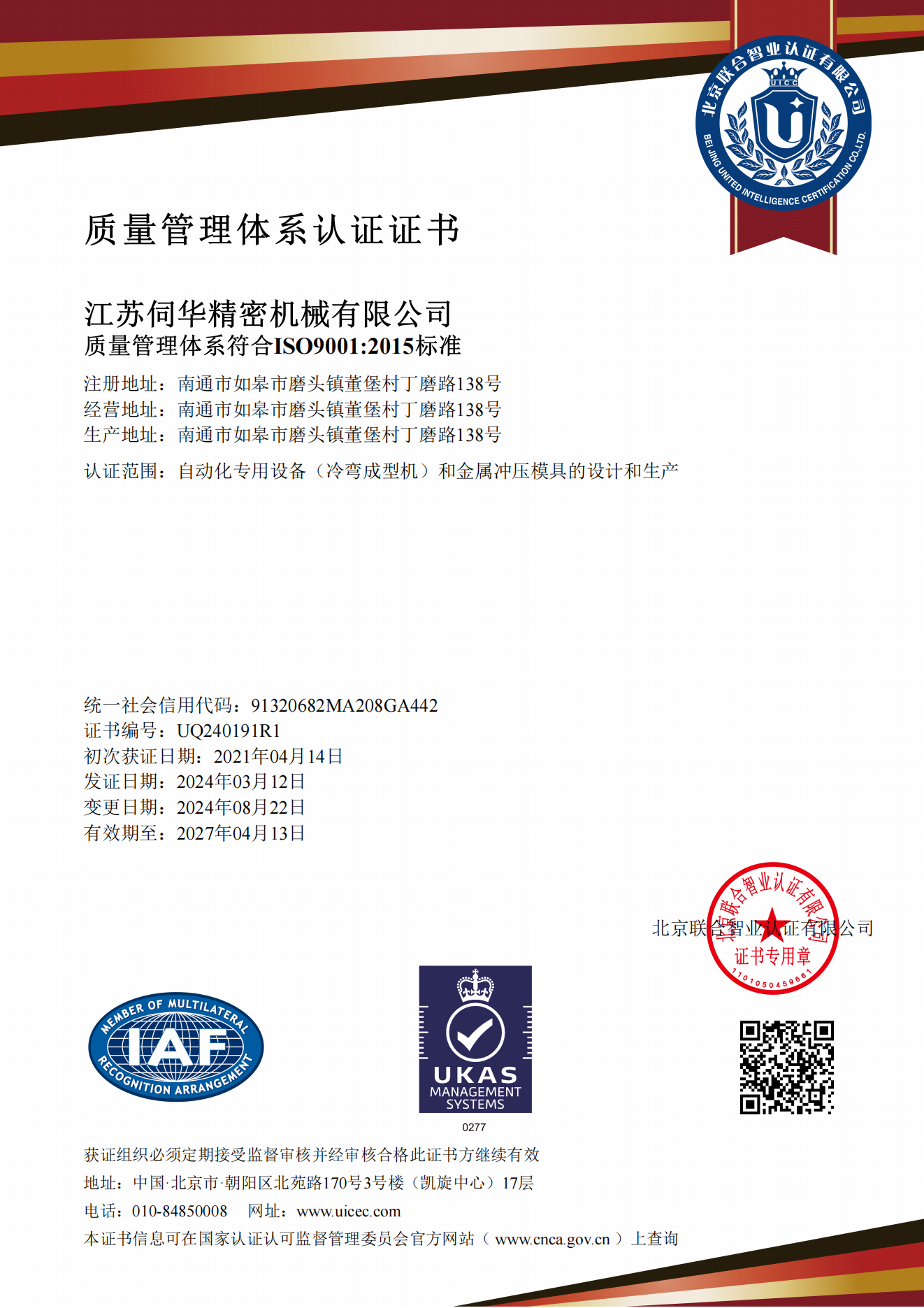
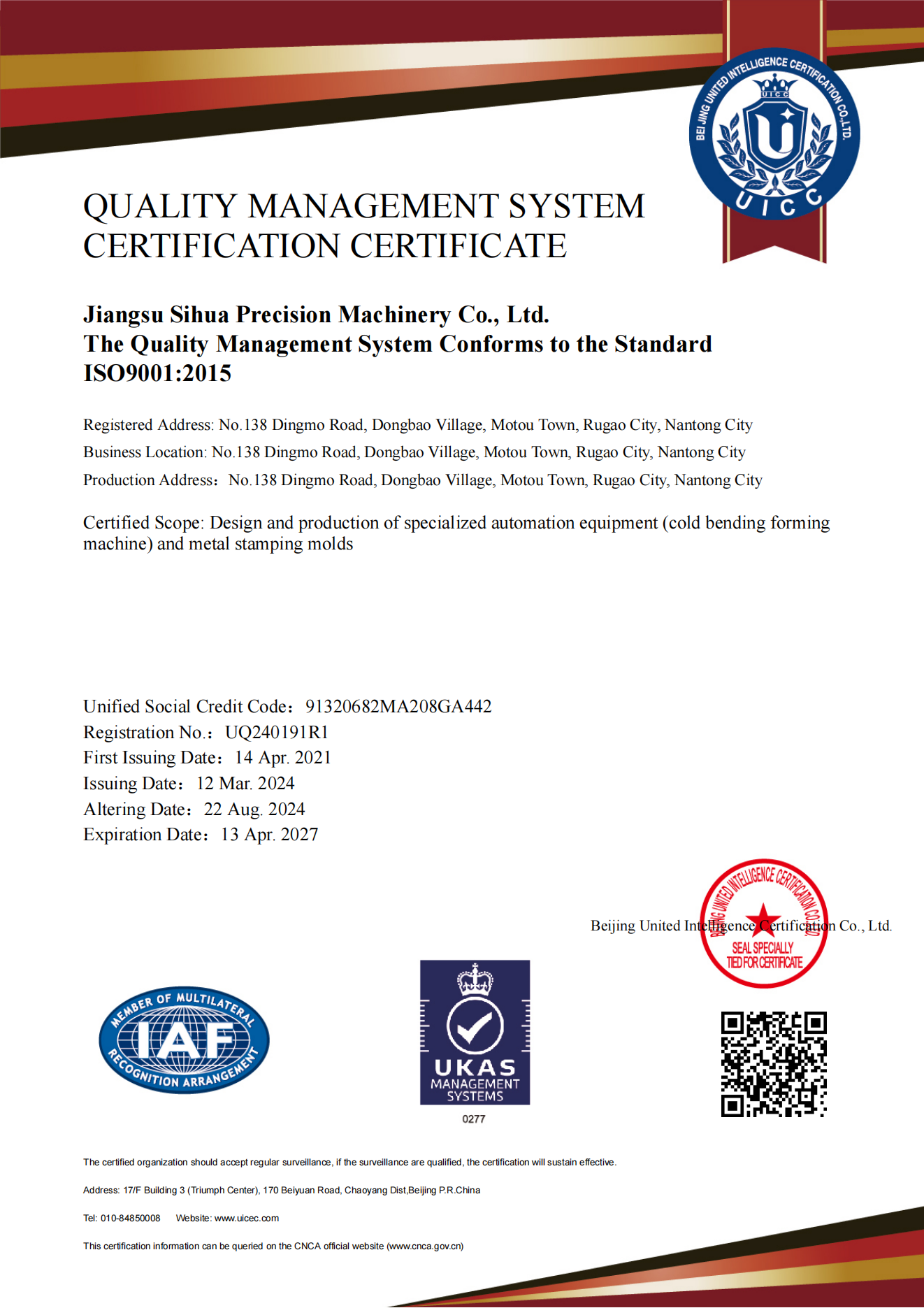
Equipment manufactured by Shanghai Sihua Precision Machinery adheres to rigorous quality standards essential for construction industry applications:
| Industry Sector | Specific Applications | Profile Examples |
| Residential Construction | Window frames, door frames, sliding systems | Casement window profiles, sliding door tracks |
| Commercial Buildings | Curtain wall systems, storefront framing | Unitized curtain wall profiles, structural glazing |
| Industrial Facilities | Security doors, fire-rated frames | Reinforced steel frames, emergency exit systems |
| Home Improvement | Replacement windows, patio doors | Thermal break profiles, multi-point locking systems |
| OEM Manufacturing | Standardized components for assembly | Corner cleats, mullion profiles, sash frames |
Maximizing equipment lifespan requires systematic maintenance protocols:
Production efficiency depends on addressing material-specific challenges:
The industry continues evolving toward higher automation levels and sustainable manufacturing practices. Emerging trends include:
A window door profile machine is specifically engineered for the precision requirements of fenestration products. While standard roll forming machines handle general structural profiles, window door systems demand stricter tolerances for weathertight sealing, thermal performance, and hardware integration. These machines typically feature more forming stations (14-18 vs. 10-12), precision straightening mechanisms, and specialized cutting systems that prevent profile deformation. The forming rolls are precision-machined to create complex multi-chamber profiles that accommodate glazing beads, thermal breaks, and locking hardware—features unnecessary in standard construction framing.
Production speed selection balances volume requirements against quality considerations. For entry-level operations producing 5-10 tons daily, 15-20 meters per minute suffices. High-volume manufacturers targeting 20+ tons daily should consider 25-30 meters per minute with flying shear cutting systems. Critical factors include:
Shanghai Sihua offers variable speed drives allowing operators to optimize settings for specific product mixes.
Technically possible but practically challenging. Material properties differ significantly: aluminum requires larger forming radii and different lubrication, while steel needs higher forming pressures and spring-back compensation. Tooling changes involve replacing entire roller sets, adjusting drive ratios, and recalibrating cutting systems—a process requiring 4-8 hours. For frequent material switching, dedicated lines prove more economical. However, Sihua's customized machine solutions can incorporate quick-change tooling systems and adjustable forming parameters for manufacturers requiring limited flexibility. The recommended approach dedicates specific shifts or days to each material rather than frequent changeovers.
Annual maintenance typically represents 3-5% of initial equipment investment. For a mid-range machine ($80,000-$120,000), budget $2,500-$6,000 annually covering:
Proper maintenance extends machine lifespan beyond 15 years, while neglected equipment may require major overhauls within 5-7 years costing 30-40% of replacement value.
Each process serves distinct market segments. Cold roll forming offers superior material efficiency (95%+ yield vs. 60-70% for extrusion including billet waste), higher production speeds (20-30m/min vs. 5-15m/min), and lower capital investment. Steel profiles provide superior structural strength for large commercial openings and security applications. However, aluminum extrusion excels in complex hollow chamber designs, thermal break integration, and corrosion resistance without coating. The trend toward thermal efficiency favors aluminum in residential markets, while commercial and industrial applications increasingly adopt roll-formed steel with thermally broken designs. Many manufacturers operate both technologies to serve diverse market demands.
Modern machines incorporate comprehensive safety systems protecting operators and equipment:
CE-compliant machines include risk assessments covering mechanical, electrical, and noise hazards. Sihua's engineering team conducts factory acceptance testing verifying all safety functions before shipment.
ROI timelines vary based on utilization rates and market conditions. Typical scenarios include:
Key ROI drivers include labor reduction (3-4 manual fabricators replaced by 1 machine operator), material yield improvements (5-8% reduction in scrap vs. manual processing), and production capacity expansion enabling market share growth. Energy costs represent minimal impact (15-25 kW power consumption). Financing options and government incentives for manufacturing equipment purchases can accelerate payback periods by 6-12 months.
Don't hesitate to contact when you need us!
Contact Information
PRODUCTS
Mobile


 English
 Español
 русский