Content
A strut channel roll forming machine is a continuous metal forming system that converts flat steel coil stock into strut channel profile — the open-section, slotted structural framing component used throughout electrical, mechanical, and plumbing installation work. The finished profile, commonly referred to by trade names such as Unistrut, Superstrut, or simply framing channel, features a characteristic inward-rolled lip on both sides of the open face and a continuous slot along the open face centre that accepts channel nuts for tool-free fitting adjustment.
The roll forming process is particularly well suited to strut channel production because the profile — a symmetrical, constant cross-section with tight-radius lip bends — is geometrically ideal for progressive roller forming. Once tooling is set and the line is running, output is continuous and consistent, with material waste limited almost entirely to end cuts and scrap from coil changeovers. A typical production line running 1.5 mm galvanised steel can produce finished strut channel at speeds of 15–40 metres per minute depending on cut length and line configuration.
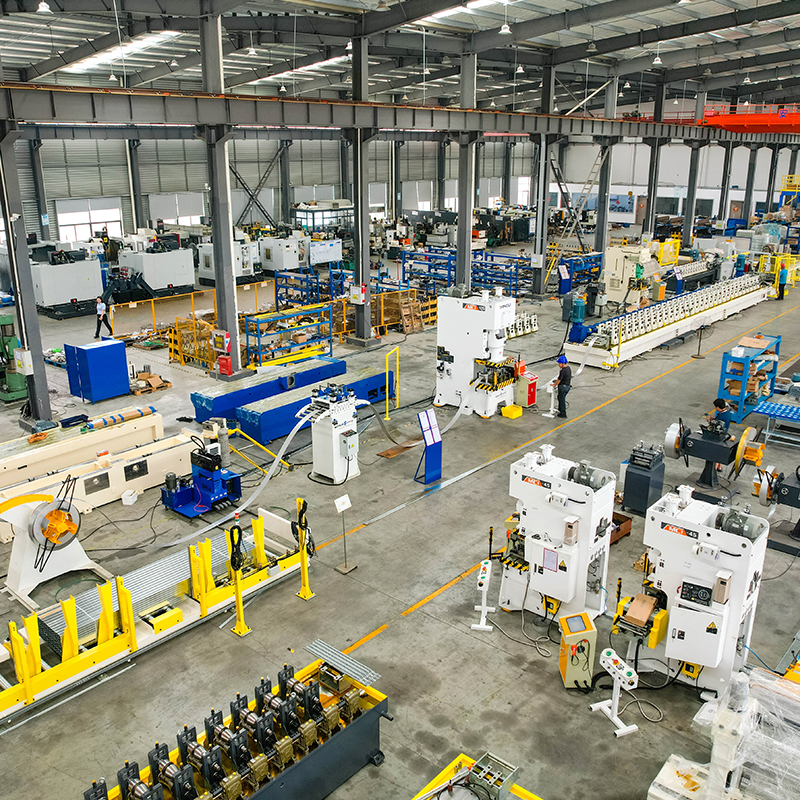
Roll forming is a continuous bending process in which a flat metal strip passes through a series of paired roller stations, each of which incrementally bends the strip closer to the final cross-sectional profile. No single station performs the full bend — the profile develops progressively across the roller train, with each station adding a small angular increment to avoid material stress concentration and springback that would occur if bends were formed in fewer, larger steps.
For a standard strut channel profile, the forming sequence follows this general progression:
A single strut channel roll forming machine can typically be tooled to produce multiple profile variants, but each profile change requires either a tooling changeover or a dedicated roller set. The main profile variants that most machines are designed to accommodate include:
| Profile Type | Nominal Size (W × H) | Typical Material Thickness | Primary Application |
|---|---|---|---|
| Standard single channel | 41 × 41 mm | 1.5 – 2.5 mm | General electrical / mechanical support |
| Deep channel | 41 × 82 mm | 2.0 – 3.0 mm | Heavier load-bearing applications |
| Half channel (shallow) | 41 × 21 mm | 1.5 – 2.0 mm | Light-duty cable management, surface mount |
| Back-to-back / double channel | 82 × 41 mm | 2.0 – 3.0 mm | Structural columns, high-load frames |
| Slotted / unslotted variants | 41 × 41 mm | 1.5 – 2.5 mm | Seismic bracing, clean-room, food grade |
Tooling for each profile is machined from hardened steel (typically GCr15 or equivalent bearing steel, hardened to HRC 58–62) to withstand the continuous contact loads of high-volume production. Tooling life on a well-maintained line running galvanised mild steel typically exceeds 10 million linear metres before dimensional tolerance drift requires regrinding or replacement. Abrasive materials such as stainless steel or Galvalume-coated stock reduce tooling life by 30–50% compared to standard hot-dip galvanised steel.
Strut channel roll forming machines are designed primarily around mild steel coil, but the range of compatible input materials has expanded as end-market specifications have diversified. The most commonly processed materials include:
The punching requirement for strut channel — the continuous face slot and the back mounting holes — can be integrated into the roll forming line or handled by a separate upstream punch press. Each approach has production implications worth understanding before specifying equipment.
A punch press is integrated immediately before the forming roller train and punches the flat strip at line speed. This is the most common configuration for dedicated high-volume strut channel production because it eliminates a separate handling step, reduces work-in-progress inventory, and ensures that hole positions are consistent relative to the formed profile geometry. The punch press is typically a servo-driven unit controlled by the same PLC as the roll forming line, with punch timing synchronised to line speed. In-line punching capacity for standard strut channel slot patterns typically runs at 60–120 strokes per minute, which is sufficient to maintain continuous punching at forming speeds up to 30 m/min for standard 25 mm slot pitch patterns.
An alternative approach punches the formed profile after the cutoff station, using a separate press with a profile-specific die set. This allows the roll forming line to run without the punching station as a bottleneck, and allows punching to be skipped entirely for unslotted channel variants. The trade-off is that punching formed profile is mechanically more complex than punching flat strip — the die must locate precisely within the formed channel section — and burr control on the interior of the formed section is more difficult to achieve than on flat strip.
Higher-capacity operations may run two or more strut channel lines simultaneously, each dedicated to a specific profile and material specification, rather than changing tooling on a single line to switch profiles. This approach maximises uptime and eliminates changeover losses at the cost of higher capital outlay. For manufacturers supplying multiple market segments — construction, electrical, renewable energy mounting systems — dedicated lines per profile become economically justified above approximately 5,000 tonnes of annual output per profile.
When assessing strut channel roll forming machine suppliers, the following technical parameters determine whether a machine is correctly specified for the intended production requirement:
A complete strut channel roll forming line requires significantly more factory floor space than the forming machine footprint alone. Planning the installation requires accounting for the full material flow path from coil storage to finished goods dispatch.
A typical mid-capacity line producing standard 6 m strut channel requires the following minimum clear distances:
Coil storage adjacent to the line requires overhead crane or forklift access capable of handling coil weights typically in the range of 3–8 tonnes. Floor loading capacity should be confirmed against the decoiler and coil storage loads, which represent the highest point-load concentrations in the installation.
Strut channel produced on roll forming equipment for construction and electrical installation markets is subject to dimensional and material standards that vary by region. Manufacturers supplying these markets need to confirm that their roll forming output meets the applicable product standard, not just internal dimensional targets.
The primary standards governing strut channel product specifications include:
Sourcing a roll forming machine from a supplier with documented experience producing channel to the target market's standard reduces the risk of dimensional or mechanical non-conformance during initial production qualification. Request reference customer contacts in the same market segment and, where possible, visit an operating installation before finalising equipment specification.

wide material single decoiler Leveling machine and Machine for punching small holes on both sides All the upper and lower rollers are connected to a worm gear reducer.This makes the for...
See Details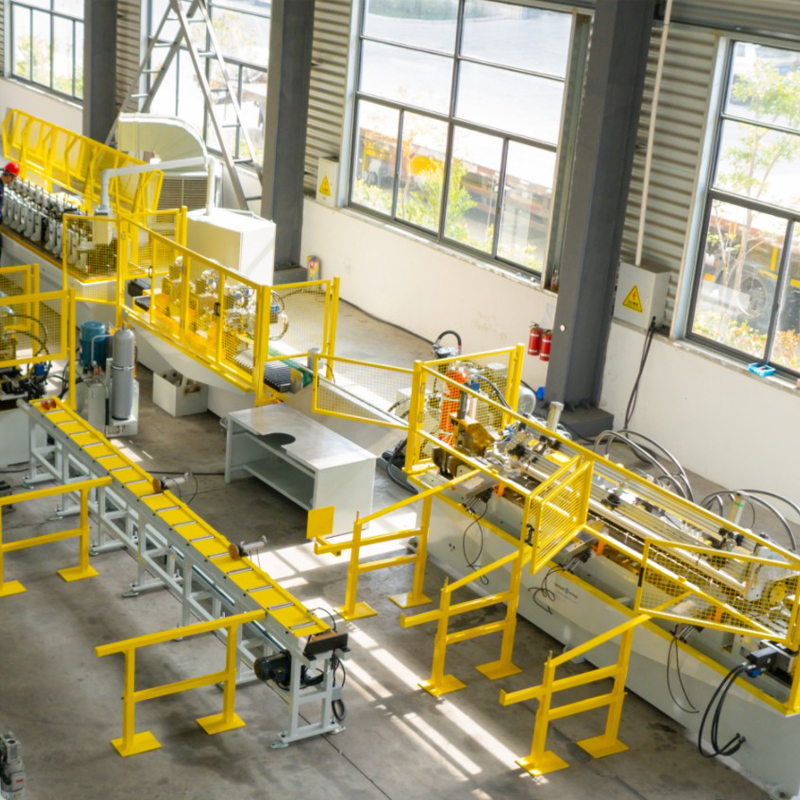
Strut cassette roll forming machine Single-head 3-ton decoiler Leveling machine(A leveling machine is required before using a punch press.) Yadon/Yangli 125-ton press machine (opti...
See Details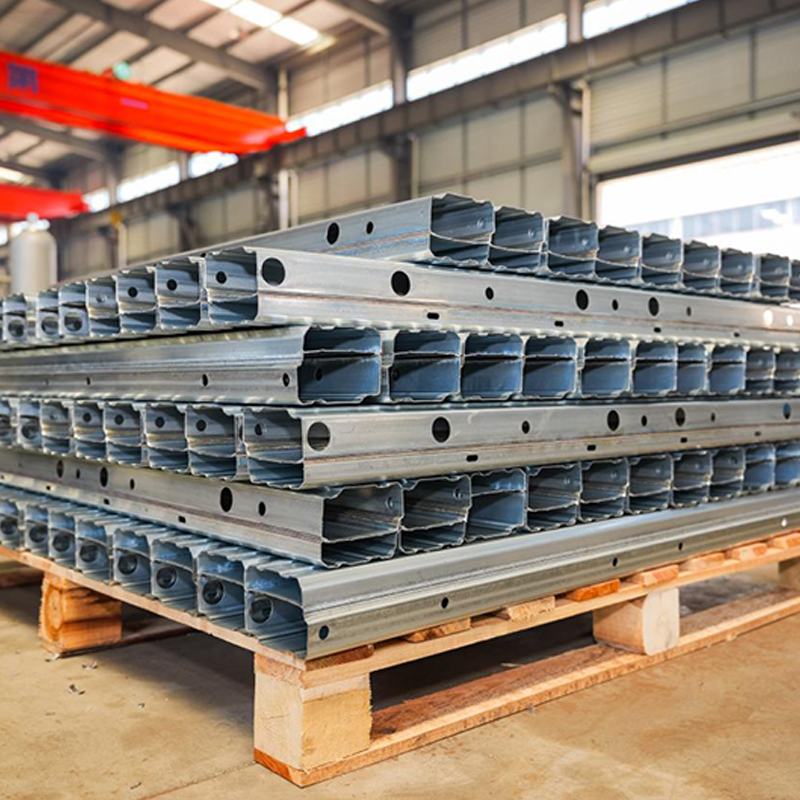
The production line for vehicle B-profile automotive chassis reinforcement beams involves several key processes to ensure High-strength, precision, and durability for vehicle applications. Key e...
See Details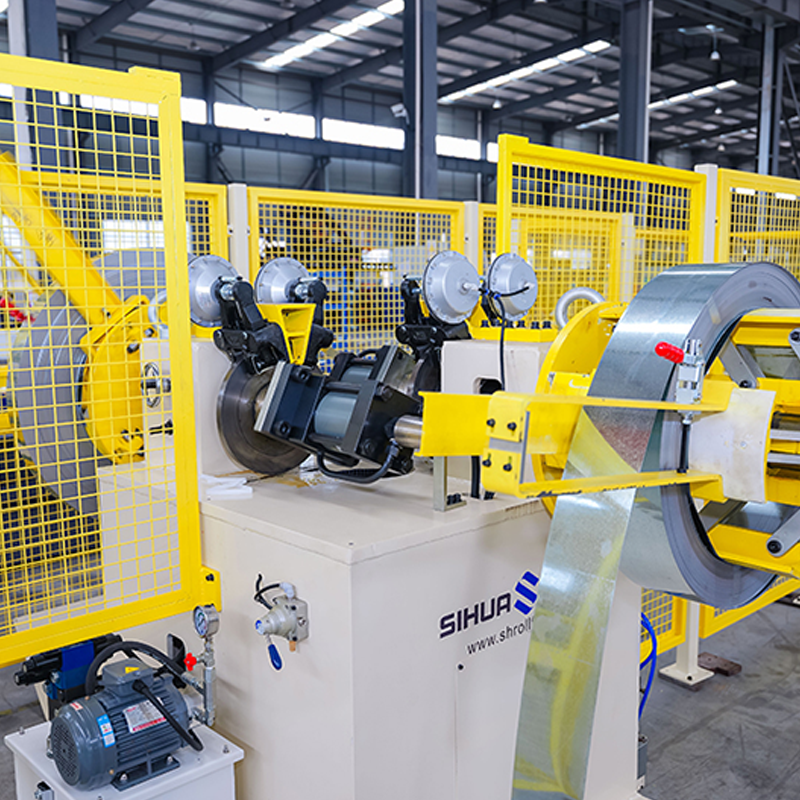
Automatic rotating double-head hydraulic decoiler with no-material detection, 5 tons per side. Laser power and welding length are adjustable to accommodate steel strips of various thicknesse...
See Details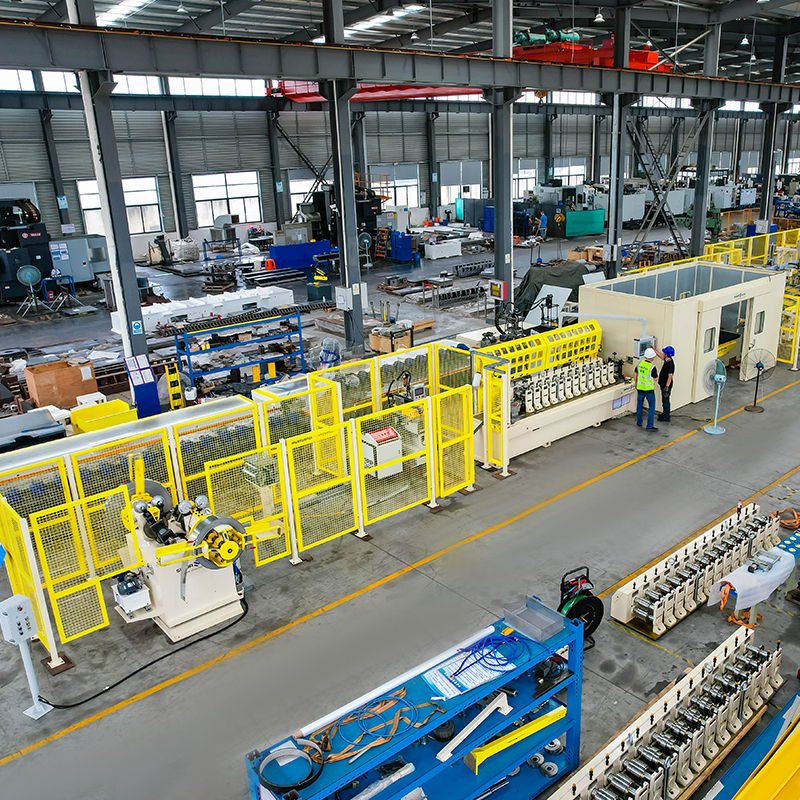
Automatic rotating double-head hydraulic decoiler with no-material detection, 5 tons per side. Quick-change cassette roll forming machine (changeover takes 30 minutes). Cutting without ...
See Details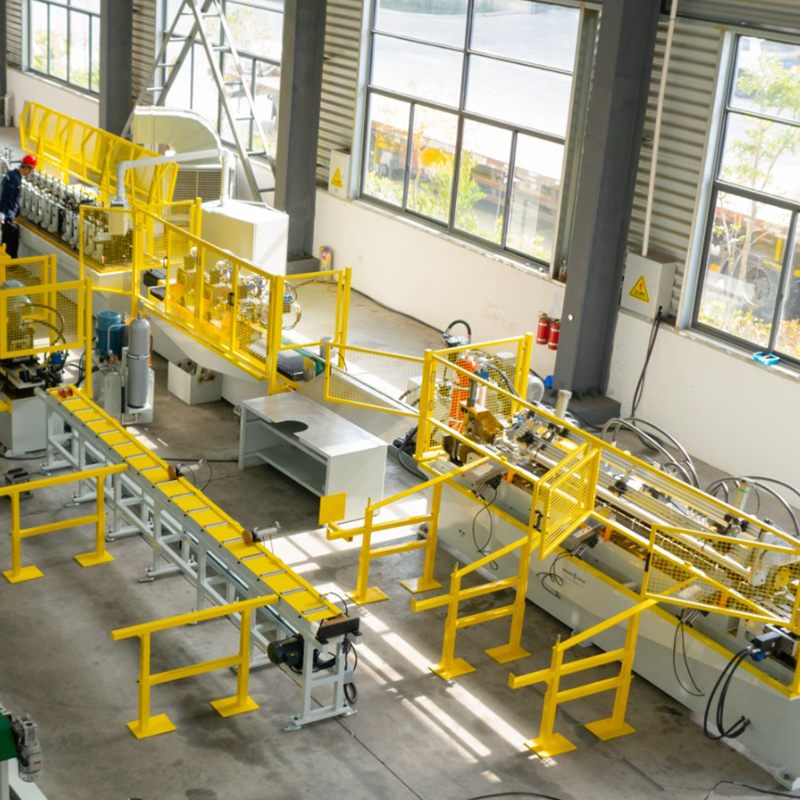
Double-head pre-painted steel hydraulic expanding/contracting uncoiler, double-head galvanized steel expanding/contracting uncoiler, pre-painted steel storage bracket, belt reduction. The 5-...
See DetailsDon't hesitate to contact when you need us!
Contact Information
PRODUCTS
Mobile


 English
 Español
 русский