Content
A metal profile automatic packaging machine wraps, bundles, and protects long-length metal products — aluminum extrusions, steel bars, copper tubes, angle profiles, window and door frames — without a worker manually handling film, strapping, or corner protection for every piece. The machine takes a bundle of profiles from a conveyor or roller table, applies stretch film or paper wrap, adds edge protectors, straps the bundle, and often labels it, all in a single automated cycle. Cycle times typically run between 30 and 90 seconds per bundle depending on profile length and wrap layers, compared to 3-5 minutes for manual wrapping of the same bundle.
The core problem this equipment solves is surface damage during transit. Metal profiles, especially anodized or polished aluminum, scratch and oxidize easily during loading, shipping, and stacking. A consistent automated wrap reduces this risk far more reliably than hand-wrapping, which varies by operator and shift.
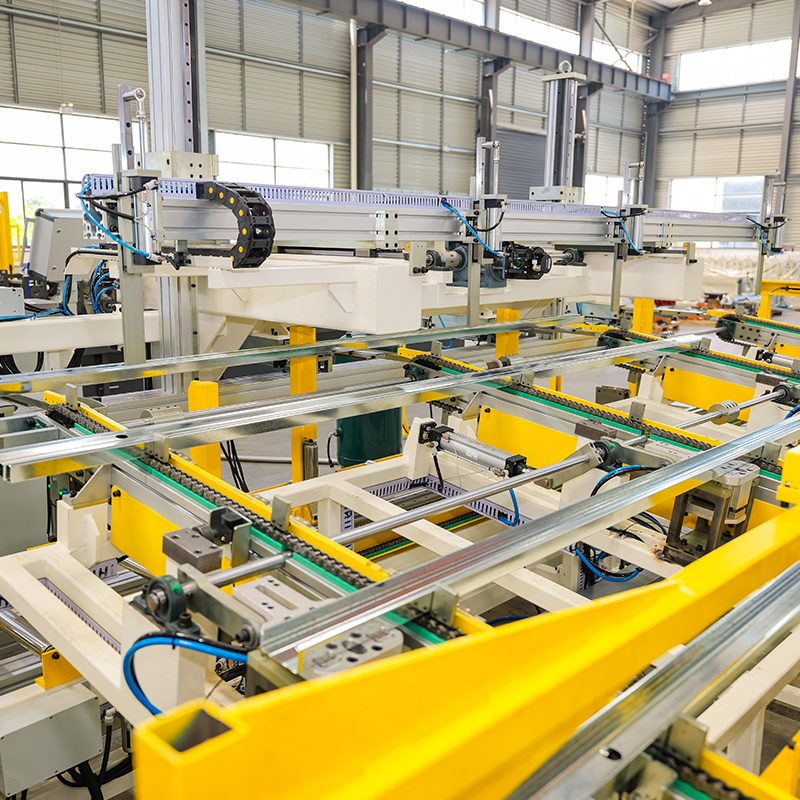
Buyers usually choose between three configurations, depending on production volume and profile geometry:
Profile length matters more than most buyers expect. Machines built for 6-meter aluminum extrusions cannot simply be "adjusted" for 12-meter architectural profiles — the infeed, ring diameter, and support rollers need to match the working length from the start.
Quotations from different suppliers often look similar on price but diverge sharply on real capability. The specifications below drive both throughput and long-term reliability.
Typical specification ranges for ring-type metal profile wrapping machines by production tier.
Servo-driven film tension deserves special attention. Mechanical tensioners apply the same pull regardless of bundle diameter, which either wastes film on small bundles or under-wraps large ones. Servo control adjusts tension in real time, which cuts film consumption by roughly 10-15% over a full production run.
A single dedicated machine works well when a factory runs one profile family at high volume — say, standard 6-meter aluminum window profiles. But most extrusion and steel processing plants run mixed batches: different cross-sections, different bundle diameters, sometimes different alloys in the same shift.
For mixed production, look for these adaptability features rather than raw speed:
Plants that skip this step often end up with equipment rated for their fastest product but poorly suited to 30-40% of what actually runs through the line.
The payback case for automatic packaging rarely rests on labor savings alone, though replacing 2-3 manual wrapping workers per shift is usually part of it. The larger and more consistent savings come from three areas:
Most mid-volume plants (30,000-60,000 bundles per year) see equipment payback in the range of 12 to 20 months, with the exact figure depending heavily on prior claim rates and film costs in the region.
Automatic wrapping equipment is mechanically straightforward compared to CNC machining or extrusion lines, but a few components wear faster than buyers expect and directly affect wrap quality:
A basic weekly inspection of these three areas prevents most of the unplanned downtime reported by plants running these machines in multi-shift operation.
Beyond the spec sheet, a few practical questions separate reliable suppliers from those selling underspecified equipment:
Getting clear answers to these three questions before ordering avoids the most common source of buyer disappointment: a machine that performs well in a supplier demo but underperforms on the customer's actual product mix.
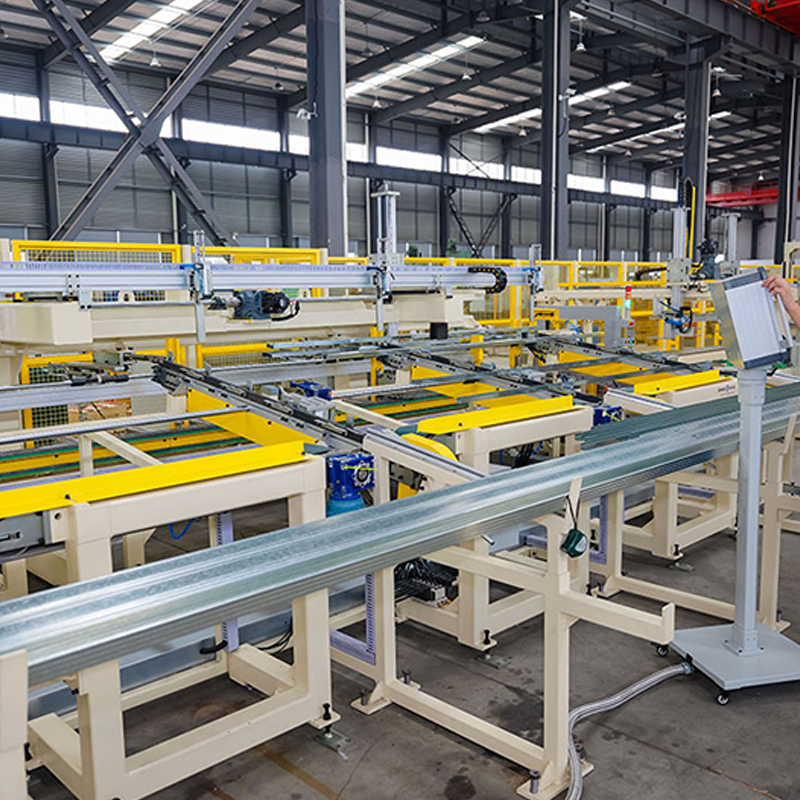
Automatic button flipping machine Flipping speed: 120 meters per minute. Flips the metal profile and snaps it on. Small bundle packing machine Large bundle palletizer Large-bu...
See Details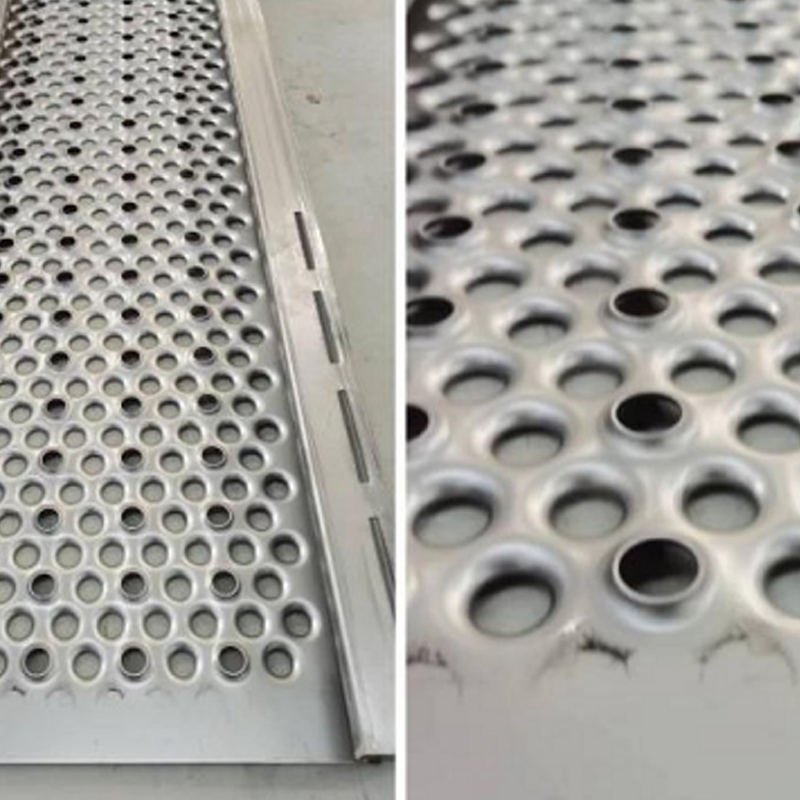
Metal Scaffold decking roll forming machine Shaft diameter: 70–80 mm; scaffold decking length: 0.5–6 m; thickness: 1–2.5 mm. Equipment layout diagram.We welcome you to send us your factory's...
See Details
wide material single decoiler Leveling machine and Machine for punching small holes on both sides All the upper and lower rollers are connected to a worm gear reducer.This makes the for...
See Details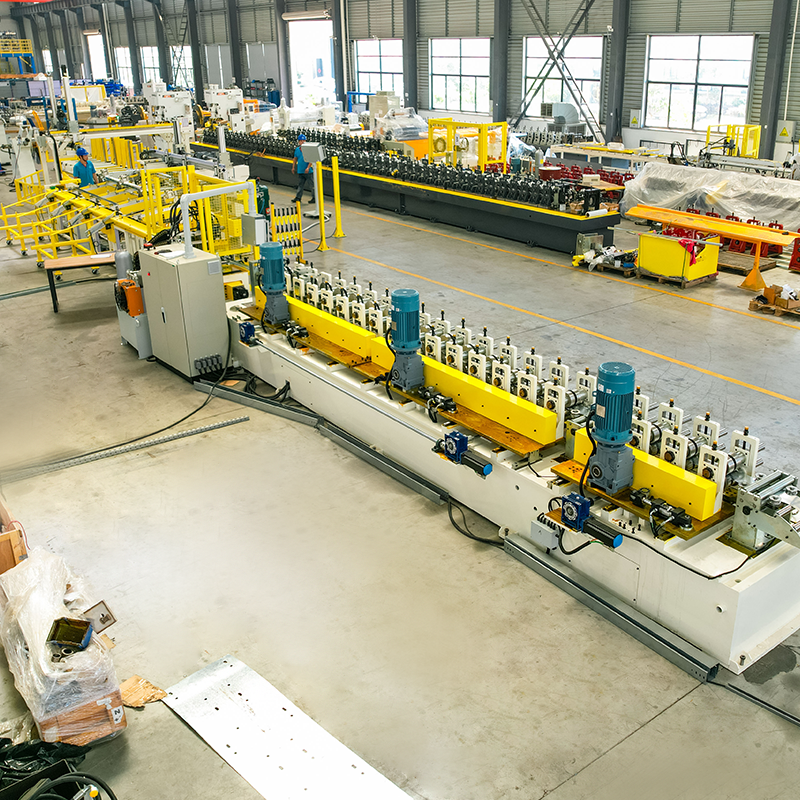
CU automatic width-change roll forming machine, chain drive, automatic packing. Economical double-head hydraulic decoiler, 3 tons per side, manual brake Automatic width and height chang...
See Details
Upright rack roll forming machine, steel yield strength 250–550 MPa Single-head manual decoiler with feeding trolley Leveling before the press machine Yangli/Yadon press machine (o...
See Details
Automatic rotating double-head hydraulic decoiler with no-material detection, 5 tons per side. Laser power and welding length are adjustable to accommodate steel strips of various thicknesse...
See DetailsDon't hesitate to contact when you need us!
Contact Information
PRODUCTS
Mobile


 English
 Español
 русский