Content
A metal forming machine is an industrial workhorse, and for high-volume, continuous production of long, complex profiles like roofing panels or steel framing studs, a roll forming machine consistently offers the highest material utilization rate, often exceeding 95%, and tight length tolerances of ±1.5 mm. In contrast, a press brake provides unmatched flexibility for lower-volume batch work, but requires multiple handling operations that significantly increase the per-part cost when production volumes surpass a few thousand pieces annually.
Selecting a metal forming machine is a foundational decision that should be driven by production volume, material properties, and the complexity of the desired part. No single machine type is universally superior; the optimal choice is a trade-off between flexibility, speed, precision, and long-term operating cost. The table below compares the four primary technologies used in modern fabrication shops.
| Machine Type | Typical Material Thickness Range | Production Volume Suitability | Key Business Consideration |
|---|---|---|---|
| Roll Forming Machine | 0.3 mm to 3.5 mm | High (>50,000 linear meters/year) | Lowest per-part cost at scale |
| Press Brake | 0.5 mm to 25 mm+ | Low to Medium (prototyping to batches of 10,000) | Highest flexibility for diverse parts |
| Stamping Press | 0.2 mm to 6 mm | Very High (>100,000 parts/year) | Fastest cycle times for single parts |
| Panel/Tube Bender | 0.5 mm to 2.0 mm | Medium to High (custom batches of 1,000-50,000) | Ideal for architectural panel edges |
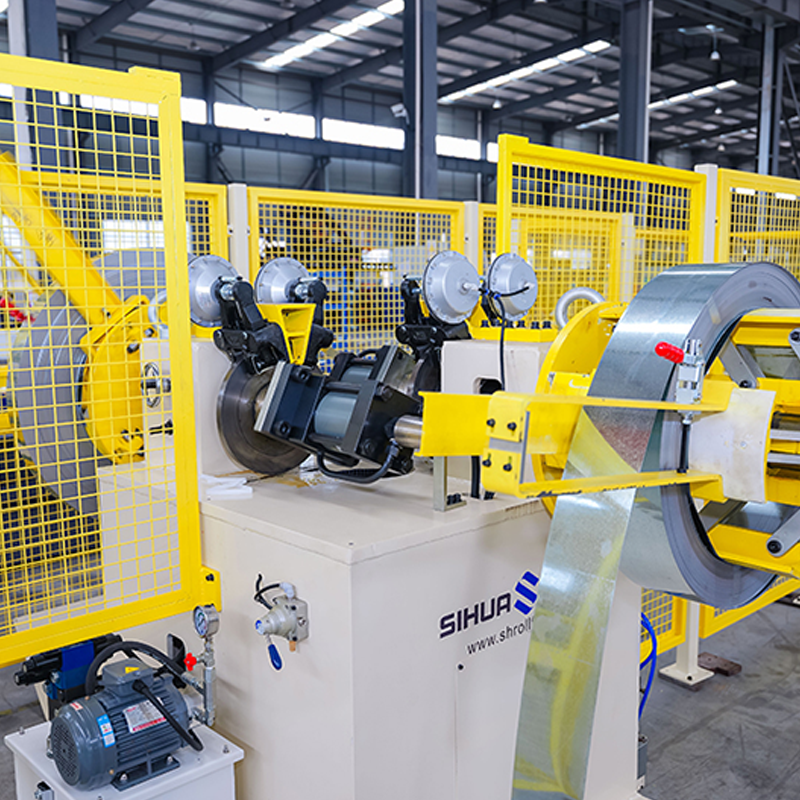
A metal forming machine is fundamentally limited by its forming capacity, which dictates not only the maximum material thickness it can bend but also the minimum. Roll formers in the roofing industry, for example, are commonly designed to process galvanized steel from 0.3 mm to 0.8 mm thick[reference:0]. Attempting to form material outside of this range can lead to a host of quality problems or even catastrophic machine failure.
The material's yield strength is a critical, often overlooked factor. A metal forming machine sized to bend 1.5 mm of mild steel with a yield strength of 250 MPa will overload its tooling or drives if tasked with forming 1.5 mm of high-strength low-alloy (HSLA) steel with a yield strength of 350 MPa. The required force can increase by up to 40%, leading to premature wear, inaccurate bends, and a high rate of defective products.
Every metal forming machine delivers a different level of precision, and understanding these capabilities is essential for matching the process to the part's requirements.
The choice of a metal forming machine must therefore be directly linked to the design tolerance of the final product. Specifying a roll former for a part that requires press-brake-level accuracy on a single feature will lead to high scrap rates.
A metal forming machine designed for roll forming is a complex system consisting of several integrated components. The quality of each directly affects the final product. Key specifications to evaluate include the material thickness range (often 0.3 mm to 0.9 mm for roofing sheets), the coil width capacity (commonly 1000 mm or 1250 mm), and the forming speed (from 10 to 40 meters per minute for most standard profiles).
The roll tooling is the most critical component. It must be fabricated from high-alloy steel, CNC-machined, heat-treated, and polished. A common specification is hard chrome plating with a hardness of 45-48 HRC, which resists the abrasive wear from forming galvanized steel for millions of linear meters[reference:2]. The frame of the metal forming machine itself must be constructed from thick steel plate, typically 14-16 mm[reference:3], to withstand the forming forces without flexing and causing profile distortion.
The line also includes a decoiler to smoothly pay off the coil, a pre-cutting or post-cutting system, and a control panel that uses feedback from an encoder to precisely measure product length[reference:4]. The interplay of these components defines the overall effectiveness of the metal forming machine.
Modern metal forming machine technology is rapidly integrating automation and data-driven systems, fundamentally changing the shop floor economics. The most impactful advancements are not simply stand-alone machines but integrated cells and software-driven processes.
Automation is moving from point solutions to complete work flows. Bending robot cells, smart backgauges that correct for material springback in real time, and automatic tool changers are enabling companies to move towards fully automated subprocesses[reference:5]. A press brake with a smart backgauge can compensate for inconsistencies in material properties on the fly, significantly reducing the number of rejected parts.
Digitalization is another key driver. Sensors within the metal forming machine are tracking output and enabling data-driven decisions on preventive maintenance, moving fabrication shops from simple automation to true intelligence[reference:6]. By analyzing real-time data on motor load and hydraulic pressure, a machine can alert operators to tooling wear or lubrication issues before they result in unplanned downtime, a capability that typically improves overall equipment effectiveness (OEE) by 8-12%.
A well-maintained metal forming machine produces consistent parts, but when issues arise, they are almost always traceable to three fundamental areas: alignment, lubrication, and operation[reference:7]. A systematic approach to troubleshooting is crucial for minimizing downtime.
Common problems with a metal forming machine like a portable rollformer include profile distortion (such as bowing, twisting, and camber), inconsistent product dimensions, and surface scratches or dents on the output. A regular roller cleaning schedule can dramatically reduce surface defects, with one case study reporting a 50% drop in customer complaints[reference:8]. Checking the uncoiler for proper break pressure and a free-spinning reel, and ensuring material is not jerked during the run, are also critical first-level checks[reference:9].
Implementing a rigorous, scheduled preventive maintenance program is the most effective way to protect the investment in a metal forming machine and guarantee consistent product quality. Unlike reactive maintenance, which addresses failures after they occur, preventive maintenance is systematic and time-based[reference:10].
A comprehensive schedule should be organized by physical component rather than arbitrary time intervals[reference:11]. For a high-volume metal forming machine operating two shifts a day, the following tasks are critical:
The decision to invest in a metal forming machine should be guided by a clear analysis of the target market. If the business plan is to supply a highly competitive market with a few standard, high-volume profiles like commercial roofing panels, a dedicated roll forming line is the undisputed champion. Its efficiency at scale cannot be matched by more flexible technologies.
However, if the business model thrives on high-mix, low-volume fabrication, serving a diverse clientele ranging from custom furniture makers to industrial repair, the versatility of a high-quality CNC press brake is a more strategic asset. For manufacturers caught in the middle—needing to prototype roll-formed parts or handle short runs—a modern option exists in the form of flexibly reconfigurable roll forming machines that use adjustable roll sets to reduce the cost of tooling and material loss[reference:15]. Ultimately, a successful selection is about aligning the physical physics of the metal forming machine with the commercial math of the business.

wide material single decoiler Leveling machine and Machine for punching small holes on both sides All the upper and lower rollers are connected to a worm gear reducer.This makes the for...
See Details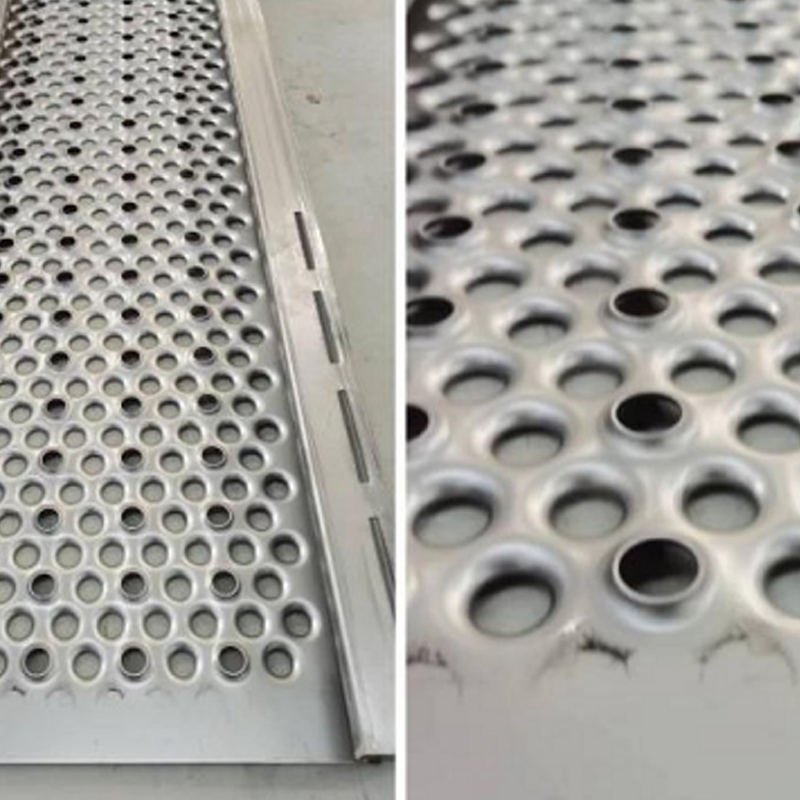
Metal Scaffold decking roll forming machine Shaft diameter: 70–80 mm; scaffold decking length: 0.5–6 m; thickness: 1–2.5 mm. Equipment layout diagram.We welcome you to send us your factory's...
See Details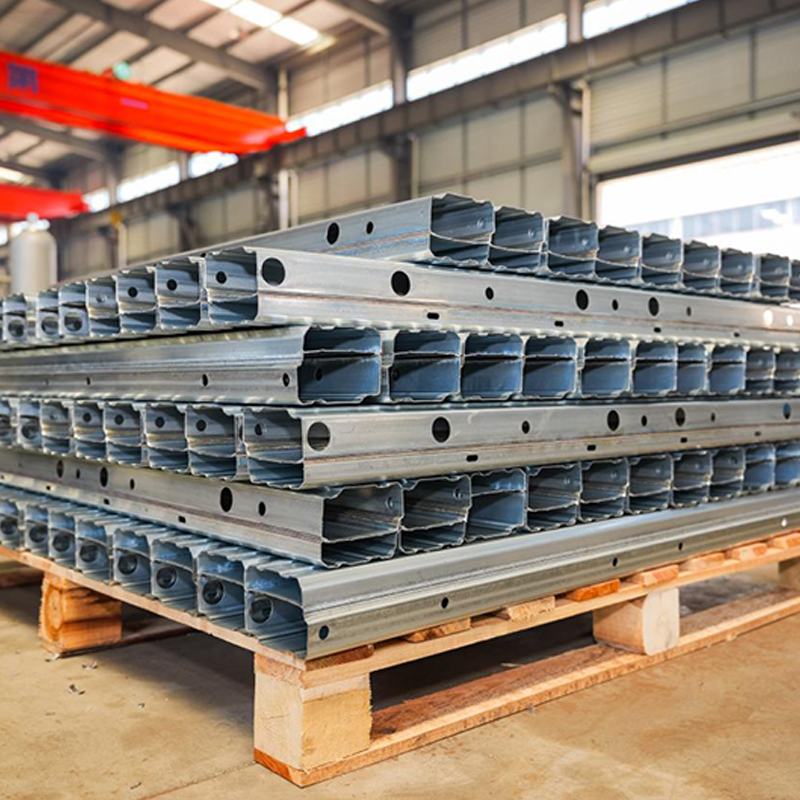
The production line for vehicle B-profile automotive chassis reinforcement beams involves several key processes to ensure High-strength, precision, and durability for vehicle applications. Key e...
See Details
Automatic rotating double-head hydraulic decoiler with no-material detection, 5 tons per side. Laser power and welding length are adjustable to accommodate steel strips of various thicknesse...
See Details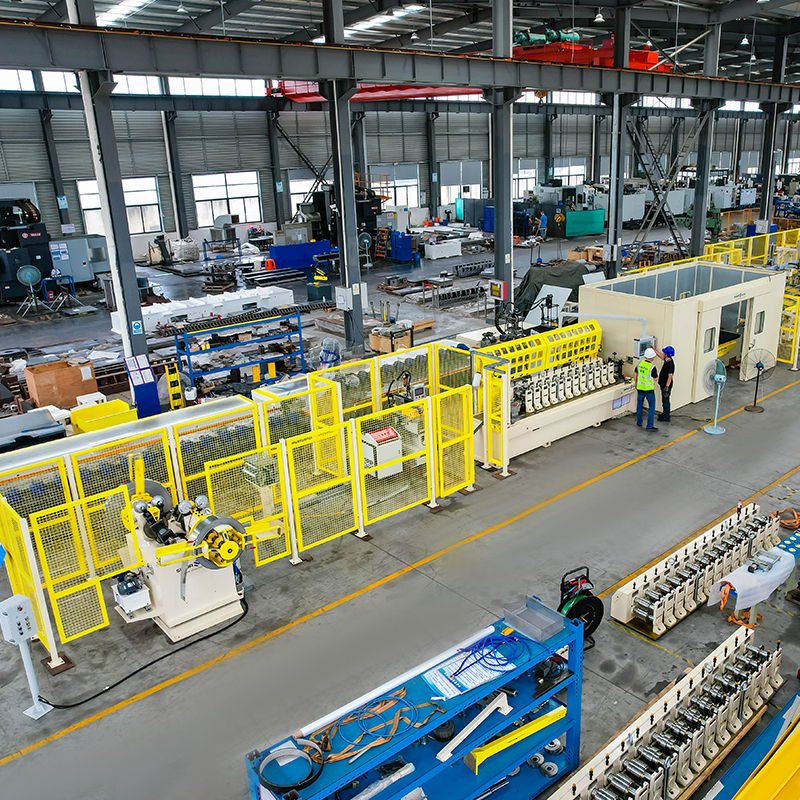
Automatic rotating double-head hydraulic decoiler with no-material detection, 5 tons per side. Quick-change cassette roll forming machine (changeover takes 30 minutes). Cutting without ...
See Details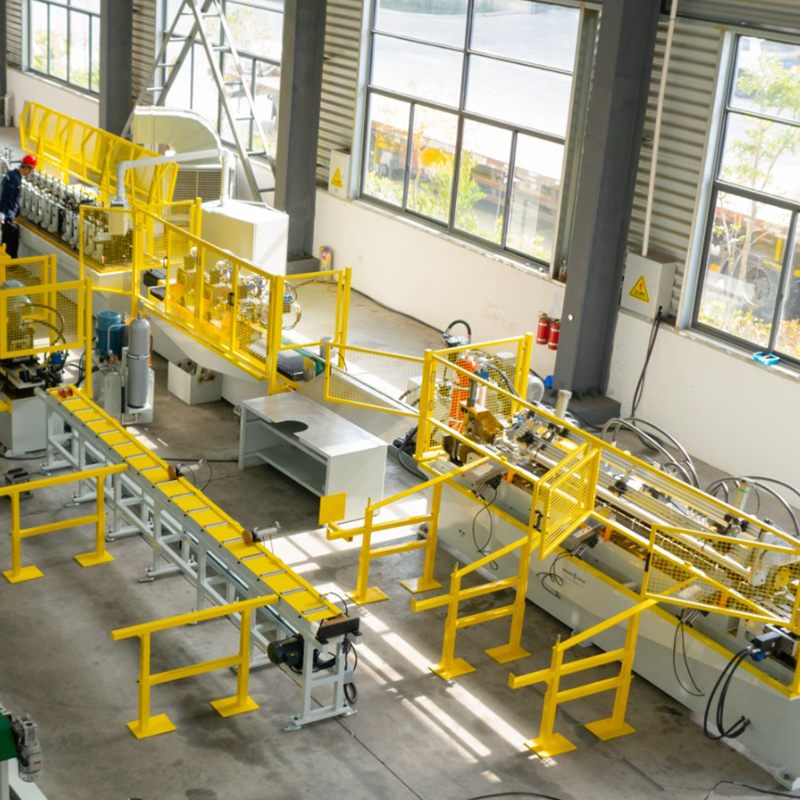
Double-head pre-painted steel hydraulic expanding/contracting uncoiler, double-head galvanized steel expanding/contracting uncoiler, pre-painted steel storage bracket, belt reduction. The 5-...
See DetailsDon't hesitate to contact when you need us!
Contact Information
PRODUCTS
Mobile


 English
 Español
 русский