Content
A drywall profile roll forming machine is the core equipment for producing metal studs and tracks used in modern partition systems. It delivers high production efficiency, consistent dimensional accuracy, and reduced labor cost, making it essential for manufacturers aiming to scale output while maintaining stable product quality.
Compared with manual or semi automatic fabrication methods, this equipment supports continuous forming, precise cutting, and automated control. This directly improves throughput and minimizes material waste in drywall framing production lines.
A drywall profile roll forming machine is designed to convert metal coils into standardized drywall framing components such as studs, tracks, and channels. It operates through a sequence of rollers that gradually shape the material into the required profile.
The machine typically processes galvanized steel strips, ensuring corrosion resistance and structural stability in construction applications.
The machine integrates multiple functional units to achieve continuous production. Each component plays a specific role in shaping and finishing the profile.
| Component | Function |
|---|---|
| Decoiler | Holds and feeds metal coil into the system |
| Leveling unit | Flattens the strip for consistent forming |
| Roll forming stations | Gradually shapes the profile |
| Punching system | Creates holes for installation |
| Cutting unit | Cuts profiles to fixed lengths |
The process starts with coil feeding and ends with automatic cutting. Modern systems operate with PLC control, ensuring length accuracy within plus minus 1 millimeter.
Production speed is a key factor when evaluating a drywall profile roll forming machine. Standard machines operate at speeds between 20 to 60 meters per minute, depending on configuration and material thickness.
This level of output significantly reduces unit production cost and allows manufacturers to meet large construction project demands without delays.
Drywall roll forming machines are typically designed for light gauge steel processing. The material range directly affects machine design and tooling configuration.
| Material Type | Thickness Range | Application |
|---|---|---|
| Galvanized steel | 0.3 to 1.2 mm | Drywall framing |
| Cold rolled steel | 0.4 to 1.5 mm | Structural support |
Using the correct material ensures stable forming and reduces roller wear during long term operation.
Modern drywall profile roll forming machines are equipped with automated control systems that enhance precision and reduce operator dependency.
These features help maintain consistent product quality across large production batches.
Investing in a drywall profile roll forming machine can significantly improve cost structure in manufacturing operations.
In many cases, manufacturers report a return on investment within 12 to 18 months, depending on production volume and market demand.
Drywall profiles produced by roll forming machines are widely used in modern building systems. Their lightweight structure and easy installation make them suitable for various projects.
The demand for lightweight steel framing continues to grow, increasing the importance of efficient production equipment.
Selecting the correct drywall profile roll forming machine depends on production requirements and product specifications.
A properly configured machine ensures stable operation, minimizes downtime, and supports long term production goals.

wide material single decoiler Leveling machine and Machine for punching small holes on both sides All the upper and lower rollers are connected to a worm gear reducer.This makes the for...
See Details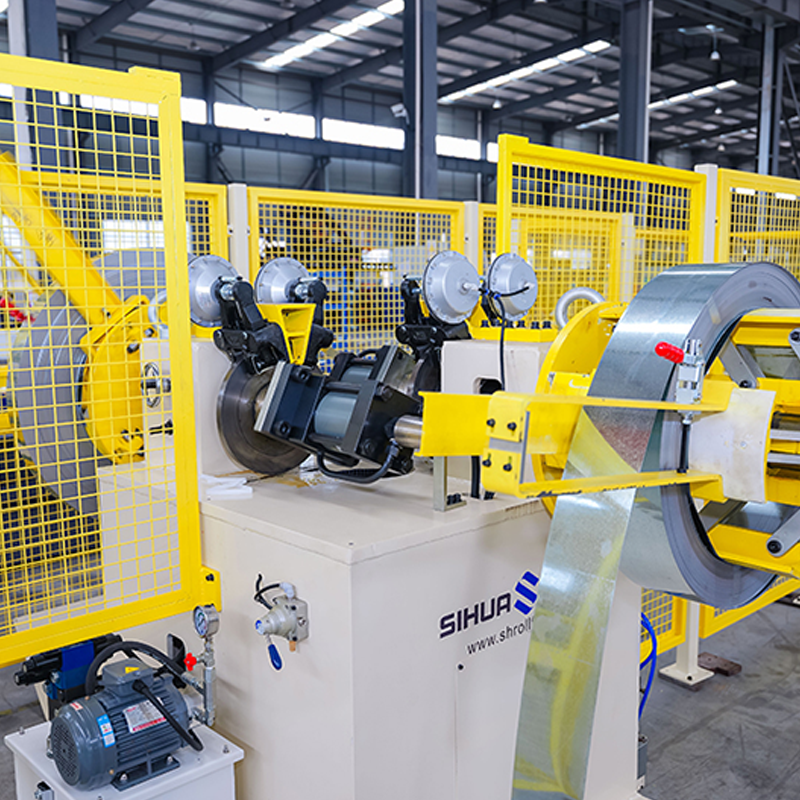
Automatic rotating double-head hydraulic decoiler with no-material detection, 5 tons per side. Laser power and welding length are adjustable to accommodate steel strips of various thicknesse...
See Details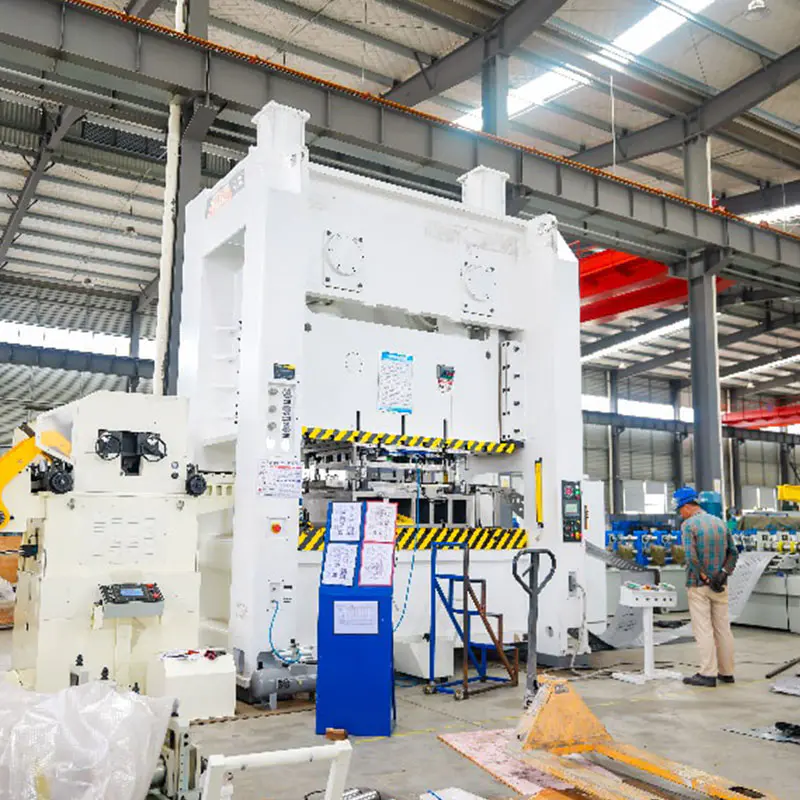
Decoiler System 3-in-1 Decoiler Straightener Feeder Capacity: 5 tons hydraulic coil mandrel expansion, servo feeding & straightening. Punching machine 400 Ton Power Press Capacity: ...
See Details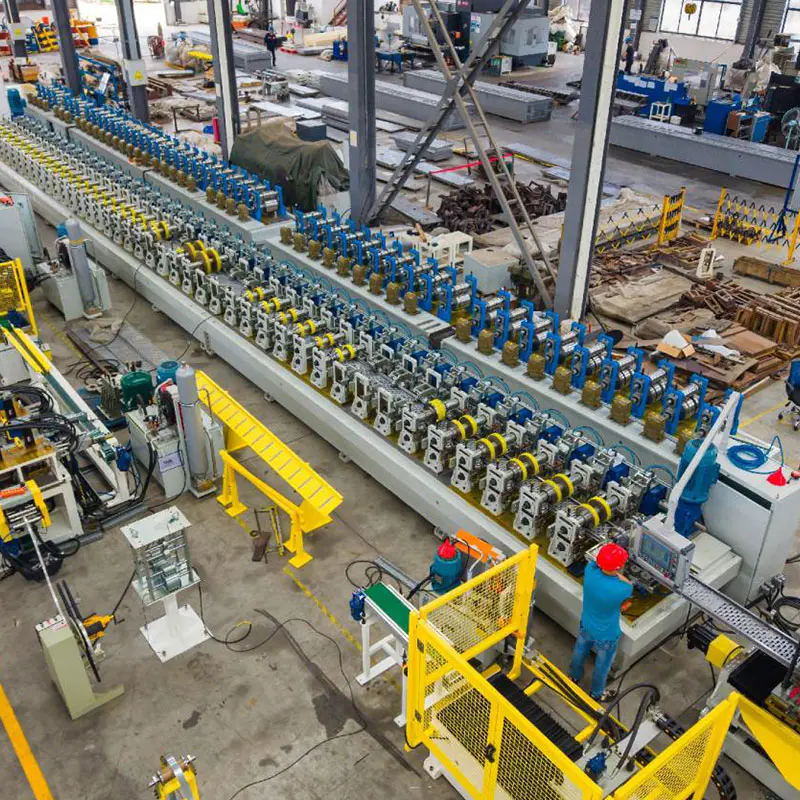
Decoiler System COMBI 3/1 decoiler lever and feeder Capacity: 3-8 tons high feeding accuracy, fully automatic operation, widely used for metal coil stamping Punch Press Unit Punching fo...
See Details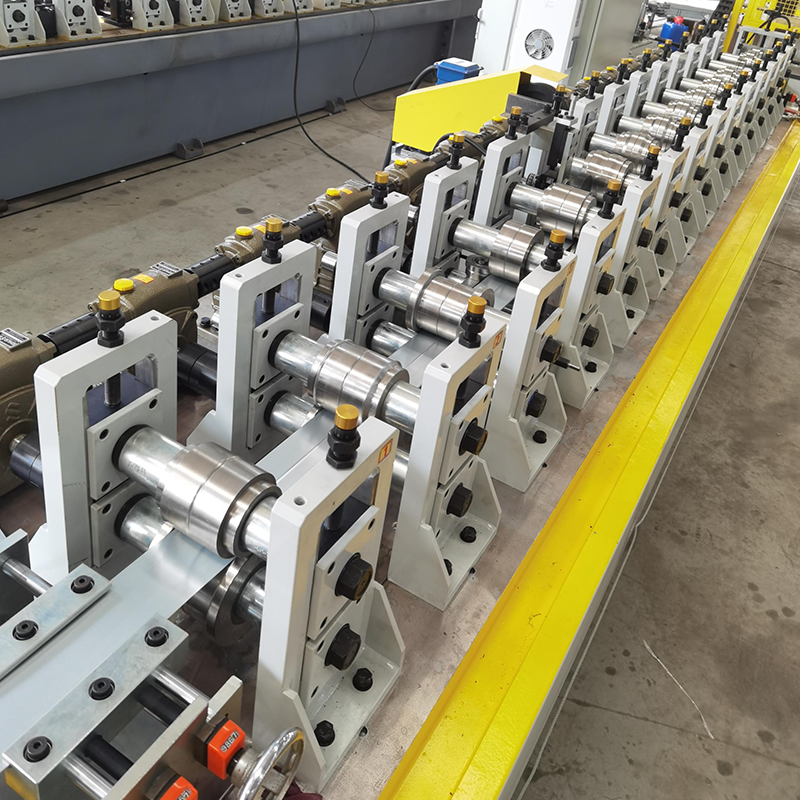
Drywall worm gear reducer roll forming machine, simple model, not a quick-change cassette type, economical and affordable. (It can be upgraded to a quick-change cassette type which can produce di...
See Details
8-Axis servo punching solar PV bracket roll forming machine, flexible adjustment of punching position. Material decoiler with storage platform and robotic arm Feeder (to provide power f...
See DetailsDon't hesitate to contact when you need us!
Contact Information
PRODUCTS
Mobile


 English
 Español
 русский